Cost surprises at scale
S3 egress, NAT Gateway and RDS Multi-AZ costs accumulate invisibly. We implement tag-based cost allocation, Savings Plans and S3 Intelligent-Tiering from the first infrastructure sprint.
EKS Terraform EU data residency SOC 2-ready
AWS is the primary cloud for nine-plus production workloads we operate — ANT's PropTech marketplace on EKS, JoyJet's consumer social platform handling US and EU traffic, REHAU's B2B portal with multi-region data residency. Terraform-managed, GitOps-deployed, FinOps-monitored from day one.
We deliver AWS cloud engineering for product teams migrating from bare-metal or other clouds, SaaS operators scaling EKS workloads, regulated industries requiring EU data residency and SOC 2-aligned infrastructure controls, and AI teams integrating AWS Bedrock for GDPR-compliant LLM workloads. Terraform manages everything — no manual console configuration enters production. GitOps pipelines via Argo CD handle deployment; Prometheus and Grafana handle observability.
Challenges
S3 egress, NAT Gateway and RDS Multi-AZ costs accumulate invisibly. We implement tag-based cost allocation, Savings Plans and S3 Intelligent-Tiering from the first infrastructure sprint.
Monolithic IAM roles with wildcard permissions fail SOC 2 audits. We baseline every role to least-privilege and enforce via SCP guardrails.
Major PostgreSQL or MySQL version upgrades on RDS require planned maintenance windows and sometimes trigger application compatibility work. We manage blue-green deployments to minimise downtime.
EU personal data must not land in US regions. We enforce this via SCP policies, Terraform variable sets, and DLP tagging — and test it in CI before any production change.
Cluster Autoscaler's scale-out latency spikes under bursty traffic. We replace it with Karpenter for sub-minute node provisioning with spot instance consolidation.
Lambda cold-start spikes, SQS consumer lag and EventBridge failures are invisible without explicit instrumentation. We wire OpenTelemetry collector for all serverless entry points.
Solutions
Multi-AZ EKS with Karpenter, Argo CD GitOps, Cilium CNI, IRSA and cluster-wide observability — production-grade from day one.
PostgreSQL and MySQL on RDS with Multi-AZ, read replicas, PITR backups and blue-green major-version upgrades.
Lambda + SQS + EventBridge pipelines for async workloads, with DLQs, observability and cost budgets.
On-premises to AWS migrations using Application Migration Service, DMS and the Migration Readiness Assessment framework.
Reserved Instances, Savings Plans, Karpenter spot consolidation, S3 Lifecycle and per-team cost allocation with anomaly alerts.
AWS Security Hub, GuardDuty, CloudTrail with integrity validation, IAM Access Analyzer, and SOC 2 evidence pipeline.
Stack
AWS EKS, ECS Fargate, RDS PostgreSQL, Aurora, S3, CloudFront, Lambda, SQS, MSK, Bedrock, IAM Identity Center, GuardDuty, Security Hub, Terraform, OpenTofu, Argo CD, Karpenter.
Compliance
GDPR-aligned · SOC 2 Type II-capable · HIPAA-eligible · PCI DSS-aware
Shared: CIS AWS Foundations Benchmark, SBOM via Inspector, least-privilege IAM baselines.
Cases
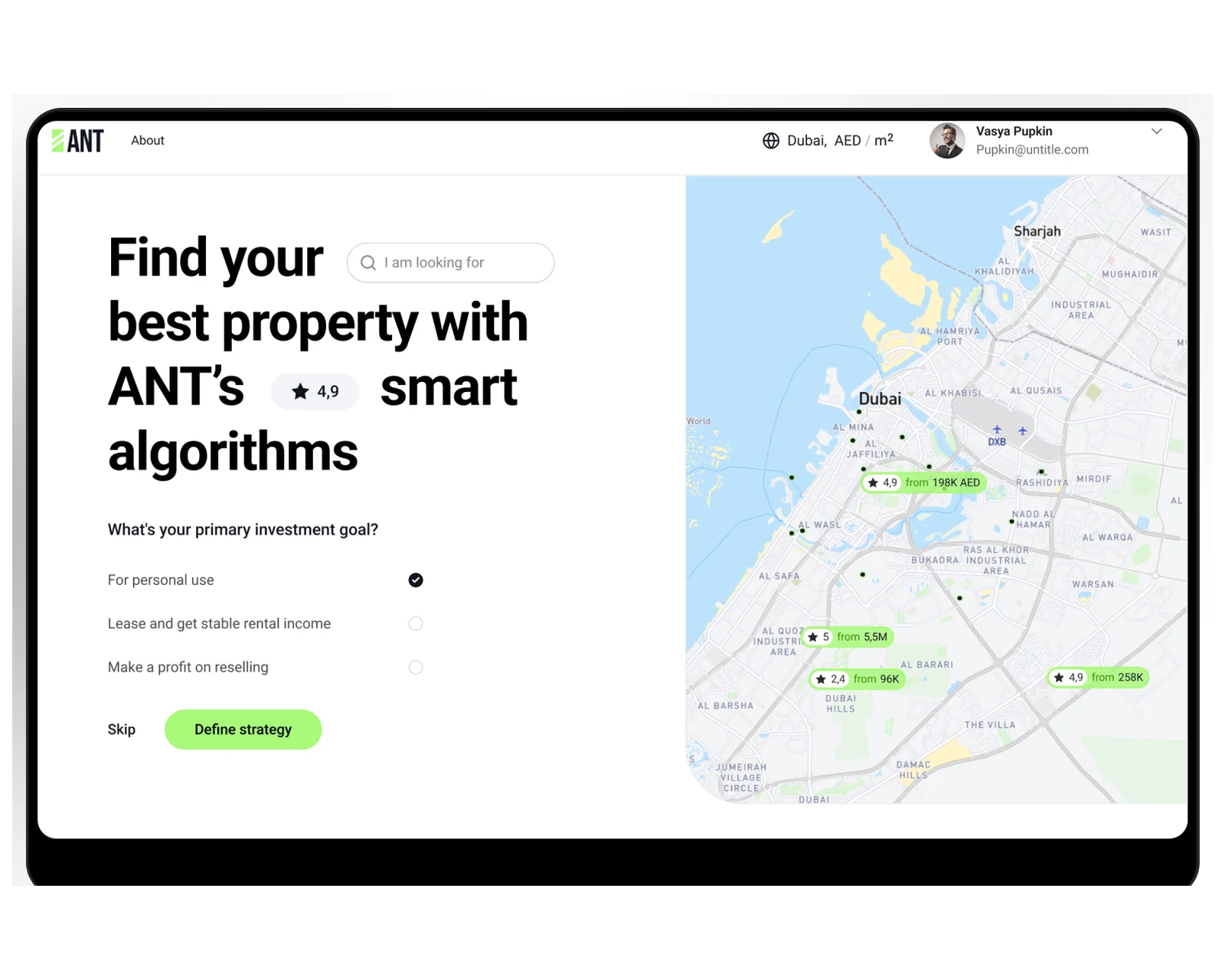
Property marketplace web platform with listing CMS, search and B2B admin console for US and EU operators.
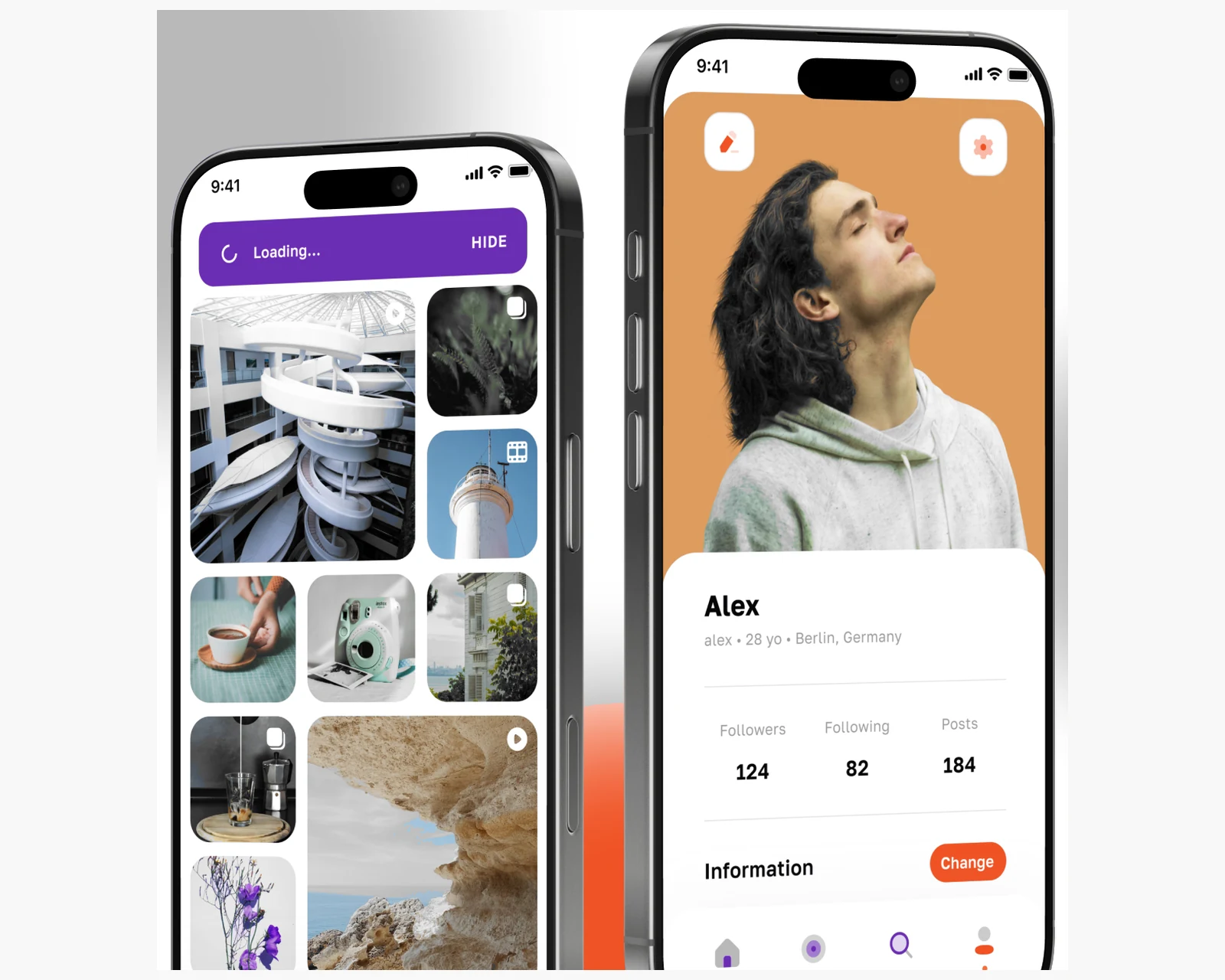
Production social platform — App Store + Google Play, live across the US and EU — with geo Radar, encrypted messaging and a virtual economy.
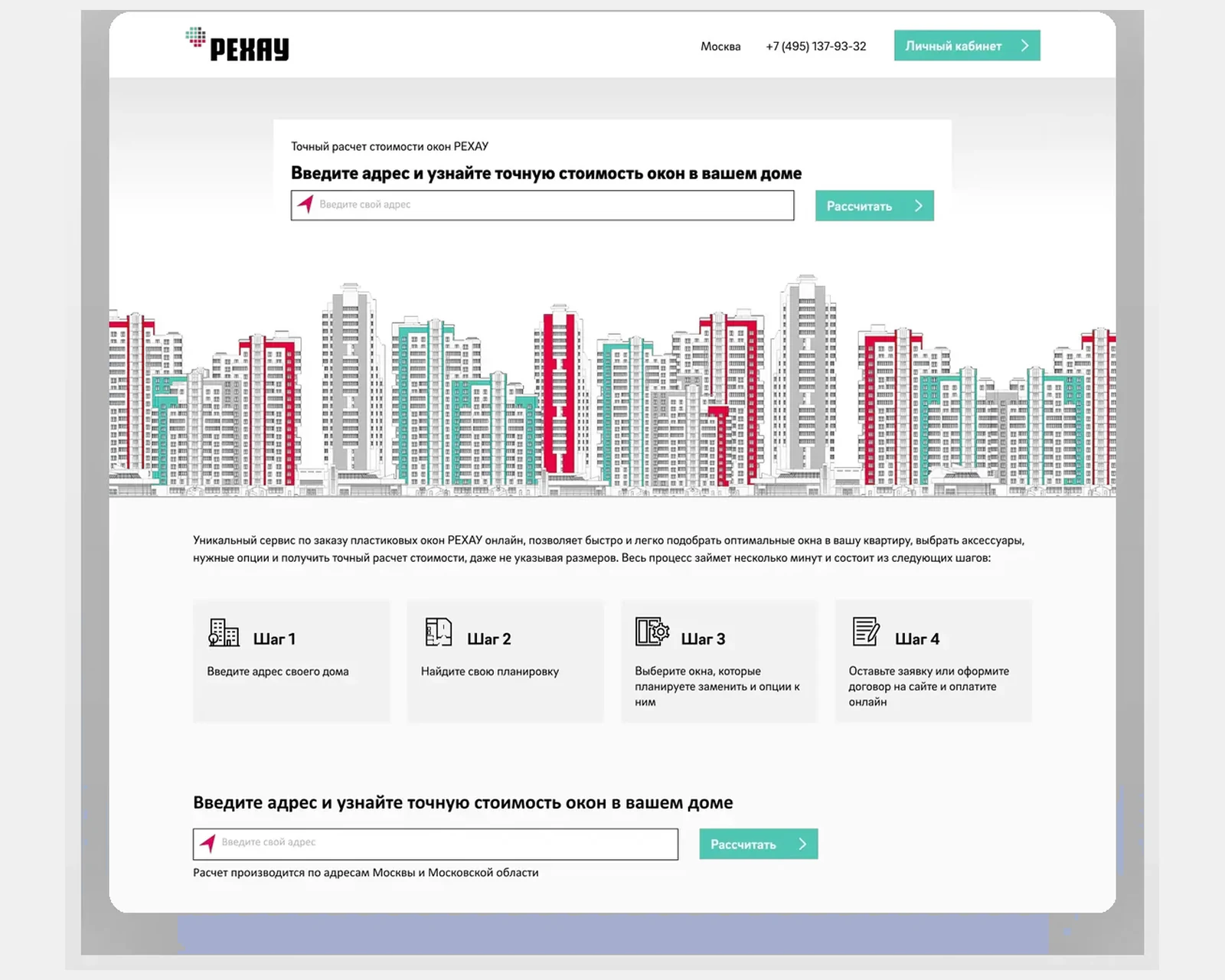
B2B e-commerce and product configurator for a global polymer manufacturer with multi-region pricing, stock and dealer workflows.
Why YuSMP
EU data residency in Frankfurt, Dublin or Stockholm; US in us-east-1 or us-west-2. SCP guardrails prevent cross-region data leakage — enforced in code, not convention.
Cost allocation tags, Savings Plans recommendations and anomaly alerts are part of the initial infrastructure setup — not a retrospective fix after the first surprise bill.
CloudTrail, Security Hub findings, IAM Access Analyzer and Config rules feed directly into your SOC 2 evidence repository — reducing audit prep from weeks to hours.
FAQ
eu-central-1 (Frankfurt), eu-west-1 (Dublin) and eu-north-1 (Stockholm) for EU personal data. US data in us-east-1 and us-west-2. We provision multi-region stacks with data residency guardrails in SCP policies and Terraform variable sets — EU personal data never crosses to US regions without explicit DPA authorization.
EKS for teams already running Kubernetes tooling (Helm, Argo CD, Karpenter) or planning cross-cloud portability. ECS Fargate for teams that want container orchestration without Kubernetes operational overhead — simpler IAM, shorter time-to-production, lower cognitive load. We document the decision as an ADR.
FinOps from day one: AWS Cost Explorer with per-tag cost allocation, Savings Plans and Reserved Instances for stable workloads, Karpenter spot instance consolidation for EKS, S3 Intelligent-Tiering and Lifecycle policies for object storage, and CloudWatch anomaly alarms before bills surprise anyone.
Least-privilege IAM roles per workload with no wildcard permissions, IAM Identity Center (SSO) for human access, Service Control Policies preventing root key use and region-unauthorised resource creation, CloudTrail in all regions with integrity validation, and automated IAM Access Analyzer findings in CI.
Yes. We run the Migration Readiness Assessment, use Application Discovery Service for inventory, AWS Database Migration Service for databases and Application Migration Service for server lift-and-shift. Typical milestones: discovery 2 weeks, proof-of-concept 4 weeks, production migration 8–16 weeks depending on complexity.
We design to the appropriate AWS DR strategy per workload RTO/RPO: Backup & Restore (cheapest), Pilot Light (DB replica + minimal compute), Warm Standby (scaled-down second region) or Multi-Site Active/Active (highest cost, near-zero RTO). All strategies tested with GameDay exercises.
Yes. Bedrock provides Claude, Llama and Titan models with no data leaving AWS — useful for EU AI Act compliance where data residency and ZDR are requirements. We integrate Bedrock through LangChain with the same eval harness we use for OpenAI integrations.
Response within 1 business day. NDA on request.
Share a few details and a senior consultant will reply within one business day.