Services

SaaS Development Company for US & EU B2B Products

YuSMP Group builds multi-tenant SaaS platforms from scratch and re-platforms existing single-tenant products into modern, scalable B2B SaaS. We engineer the parts that decide whether a SaaS survives its first 1000 tenants — billing on Stripe Billing or Chargebee, strict tenant isolation, RBAC, SSO with SAML and SCIM, immutable audit logs, and region-pinned data residency across EU and US. Fixed-scope, all-in USD pricing: support and evolution from $1,400/month, a SaaS MVP from $8,100, a turnkey SaaS from $20,700 and a high-load platform from $40,200 — with IP transferred to you on day one. Senior engineering teams run on CET with East-Coast US overlap.

SaaS platform development for B2B products in US and EU markets
9+Years in business
80+Senior engineers on staff
120+Projects delivered
71Client NPS

GDPR-aligned · ISO 27001 ready · SOC 2 Type II in progress · HIPAA-capable · CCPA-acknowledged · CET workday with 9 AM–1 PM ET overlap

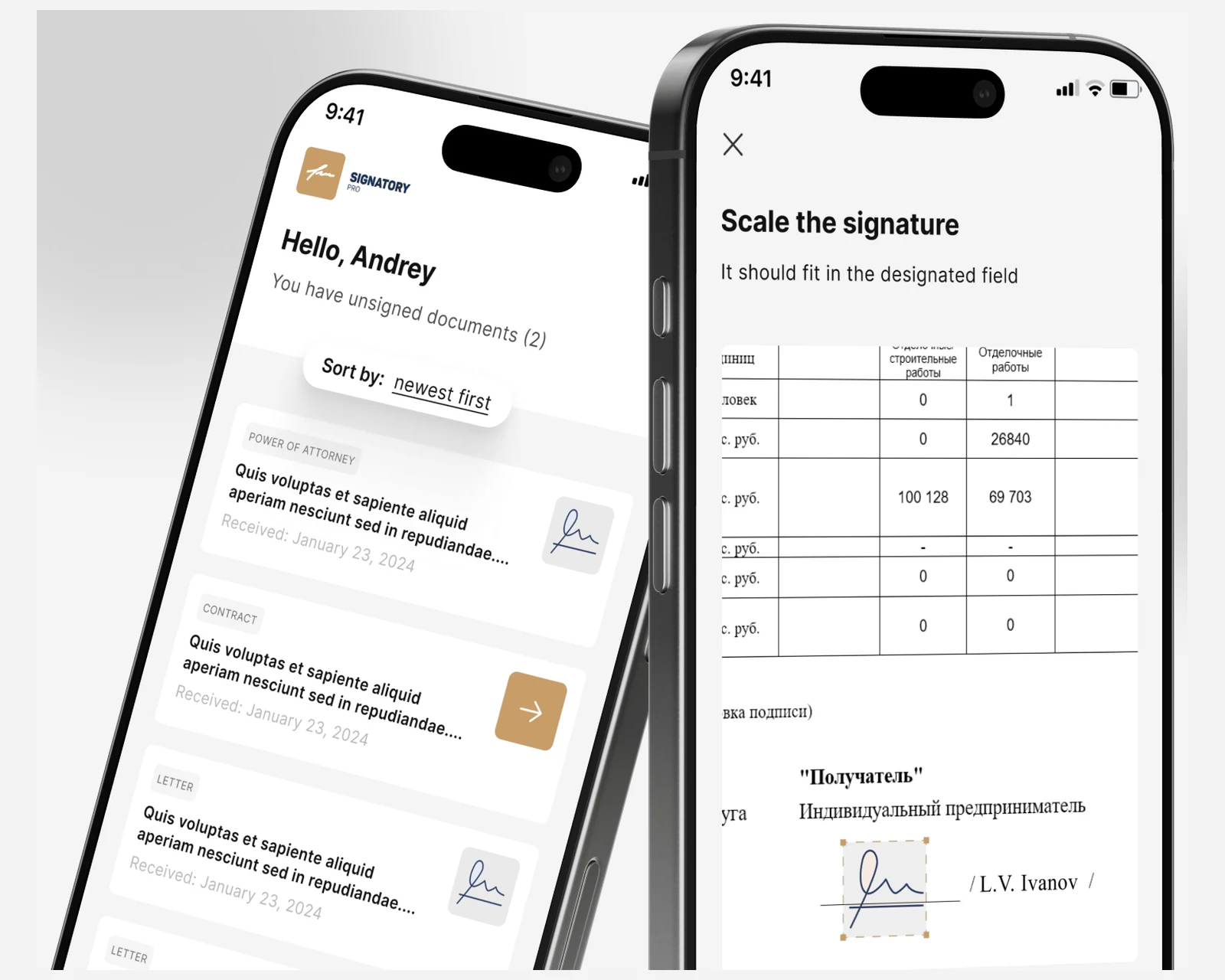
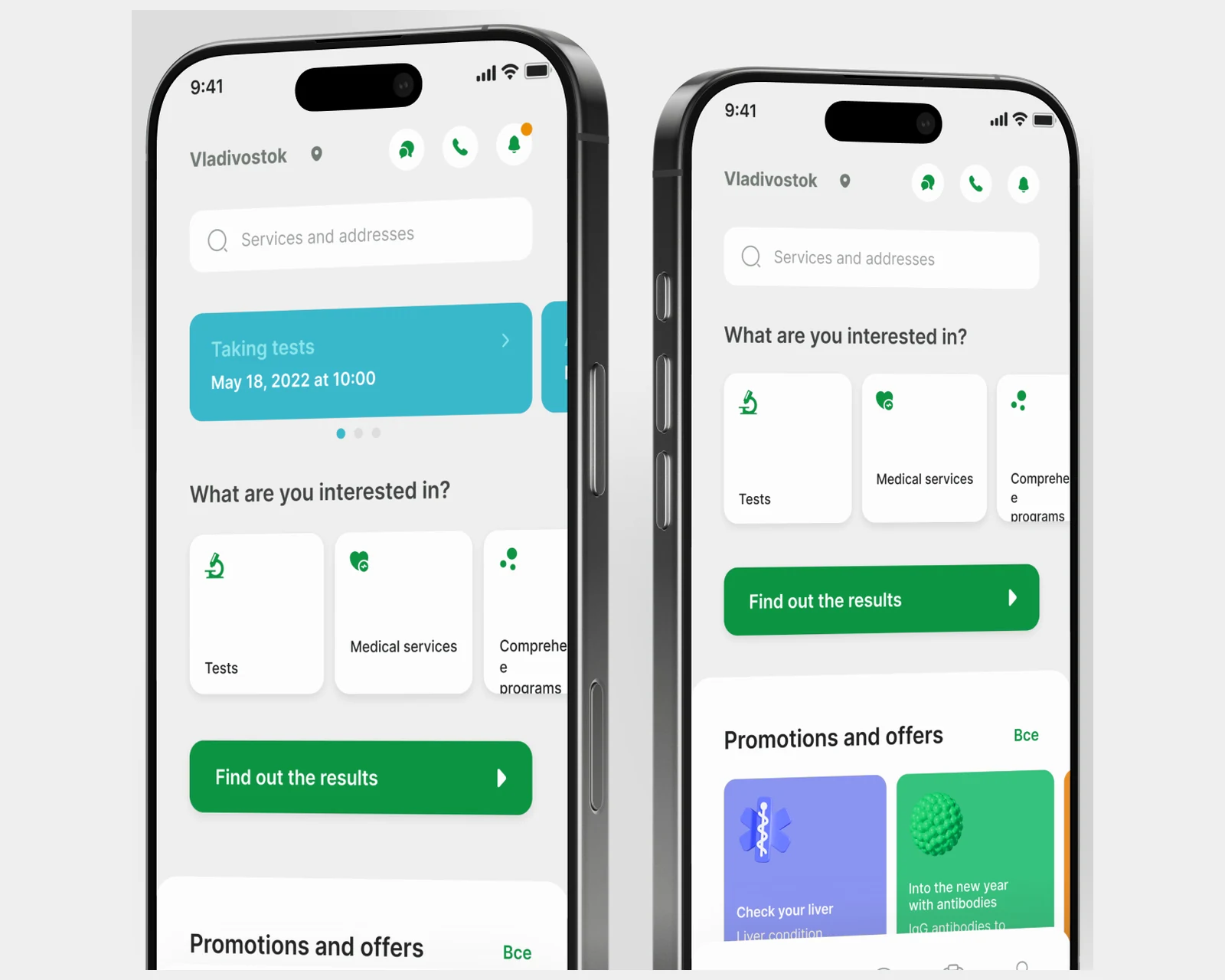
We deliver full-cycle SaaS engineering — product engineering, cloud infrastructure, billing, growth engineering, and compliance — under one accountable squad. New B2B SaaS products get a multi-tenant foundation, a billing backbone, enterprise auth, and an observability stack from week one, so the first paying customer never blocks the next ten — whether you start from an MVP or a full enterprise platform. Re-platform engagements migrate single-tenant or legacy SaaS into a modern stack without downtime windows that customers notice. Reference work includes ANT, a PropTech SaaS marketplace; Signatory Pro, an e-Signature SaaS handling regulated documents; and BasilDoc, a HealthTech SaaS where HIPAA-capable engineering is non-negotiable. See it in practice in our Signatory Pro case study.

What we build for B2B SaaS operators

Multi-tenant from day one

Row-level isolation with a tenant_id on every domain table for fast-iterating B2B SaaS, or schema-per-tenant where regulators or enterprise buyers demand hard data segregation. Clean tenant offboarding with deterministic deletion is built in, not bolted on.

Billing & monetisation

Stripe Billing or Chargebee for subscriptions, proration, and trials. Usage metering for consumption-based plans, automated dunning with smart retries, and invoice tax through Stripe Tax or Avalara so VAT and US sales tax are not your problem.

Enterprise auth

SSO via SAML 2.0 and OIDC tested against Okta, Azure AD, and Google Workspace. SCIM 2.0 provisioning for user and group lifecycle, RBAC with custom roles, and an immutable audit log covering authentication, configuration, and data access.

Region-pinned data residency

Customer data stays where the contract says it stays — EU regions for European tenants, US regions for US tenants, with workloads and backups deployed per region. Data export on demand in machine-readable formats, with a documented sub-processor list.

Observability + reliability

SLO-driven engineering with explicit error budgets, distributed tracing on OpenTelemetry, error tracking on Sentry, and dashboards on Datadog. Production incidents are diagnosed in minutes through correlated traces, logs, and metrics — not by reading customer tickets.

Growth engineering

In-app onboarding flows, A/B testing on PostHog or LaunchDarkly, product-led growth instrumentation, and a clean event taxonomy that marketing, product, and data can all read. Activation, conversion, and retention dashboards from day one.

SaaS technology stack

TypeScript Next.js React Node.js NestJS Python FastAPI PostgreSQL ClickHouse Redis Stripe Billing Auth0 / WorkOS Kubernetes AWS Azure GCP Terraform Datadog Sentry PostHog

How we deliver SaaS engagements

  1. 01

    Discovery

    A one to two week deep dive into product vision, target ICP, pricing model, compliance scope, and integration surface. Output is a written architecture brief, a tenancy model decision, and a phased delivery plan.

  2. 02

    Foundation

    Multi-tenant architecture, billing on Stripe Billing or Chargebee, enterprise auth with SSO and SCIM, audit logs, observability, and CI/CD on Terraform. The foundation is in place before the first product feature ships.

  3. 03

    Build

    Feature delivery in two-week sprints against a shared backlog, with code review, automated tests, and weekly demo cadence. Releases are continuous and gated by feature flags, so paying customers see progress without surprises.

  4. 04

    Operate

    SRE on-call rotation, customer-zero migrations for risky changes, quarterly architecture reviews, and growth experiments. The same squad that built the SaaS operates it, so production knowledge does not evaporate at handover.

Engagement models

Fixed Price

For scoped SaaS modules with a defined deadline — a billing migration, a compliance scope, an SSO + SCIM bundle, or a customer-zero re-platform of a single tenant.

Time & Materials

Default model for ongoing SaaS work. Monthly invoicing per role and seniority, with full visibility on hours, capacity, and feature throughput. Predictable spend without freezing the roadmap.

Dedicated Team

A long-running SaaS product squad you treat as your own — engineers, QA, DevOps, and a delivery lead under your backlog. Best for SaaS operators scaling past their first product-market fit.

What a SaaS build costs

Most agencies keep the number for a sales call. Below are our fixed-scope tiers — we name the exact quote after a one-to-two-week discovery. Pricing is all-in and quoted in USD, with no recruitment markup, no tool surcharges and no hidden fees. You approve the line-item budget before any code is written.

Support & evolution

from $1,400 / month

Per named seat · live SaaS

SLO-driven SRE and on-call, feature delivery against a rolling backlog, and quarterly architecture reviews on a platform we already run.

SaaS MVP

from $8,100

Paying-customer v1

Multi-tenant foundation, billing on Stripe Billing or Chargebee, SSO/RBAC scaffolding, an admin console and observability.

SaaS turnkey

from $20,700

Full B2B product

Enterprise auth with SSO/SAML and SCIM, tenant isolation, audit logs, region-pinned data residency, growth instrumentation and integrations.

High-load platform

from $40,200

Past 1000 tenants

Horizontal scale, read replicas and queues, multi-region residency, distributed tracing and error budgets.

What moves the number: the tenancy model (row-level isolation vs. hard schema-per-tenant segregation); the integration count (billing, tax, SSO/SCIM, third-party APIs); regulated scope (GDPR is in scope by default, but PCI DSS scoping for payments and HIPAA-capable architecture for PHI add controls and discovery work); the number of pinned data-residency regions; and the operate phase (on-call SRE and growth engineering past launch). GPU, third-party tooling and cloud spend run on your own accounts, so you keep the cost lever. Prices are indicative and fixed in a written quote for your specific scope.

B2B SaaS we build, by industry

Every vertical has its own tenancy model, compliance layer, and integration surface. We have shipped production SaaS inside each of the sectors below — not as generic web apps with a login screen, but as regulated, multi-tenant products with billing, SSO, and observability built into the foundation.

FinTech & financial SaaS

Subscription and transactional platforms where PCI DSS scoping is not optional. We design the payment flow, segment cardholder data from the application tier, align access logging with your QSA, and integrate Stripe Billing or Chargebee for subscription lifecycle, proration, and dunning without rebuilding billing logic from scratch.

Enterprise-auth layers — SAML 2.0, OIDC, SCIM 2.0 — are standard rather than upsold; audit-ready immutable logs cover authentication, configuration, and data access from the first sprint. See EverCoin Bank and our FinTech practice for detail on what regulated fintech SaaS delivery looks like in practice.

HealthTech SaaS

HIPAA-capable multi-tenant products with PHI isolated from analytics pipelines and BAAs signed at the infrastructure layer. We model the minimum-necessary boundary at the data layer, not the UI, so query access to PHI is scoped and logged independently of application session tokens — the pattern your privacy officer and BAA partner expect to see.

GDPR alignment for EU health-data parallels the HIPAA posture: documented legal bases, data flow records, breach notification SLAs, and a named DPO contact included in the engagement. For telehealth and remote-monitoring SaaS, the platform includes asynchronous notification channels — push, SMS, email — with a delivery guarantee and a fallback chain. See Unilab and our HealthTech practice.

Retail & e-commerce SaaS

B2B commerce and back-office platforms where ERP/CRM integration and per-tenant catalogues are the technical core, not a later milestone. We stream SAP, 1C, or Salesforce Commerce data into tenant-scoped views with idempotent consumers and a schema registry that survives vendor releases — so a catalogue change in your ERP is visible to your dealers within 60 seconds without a manual export cycle.

Per-tenant pricing, quota management, region-aware shipping rules, and a configurator engine that outputs a deterministic SKU are all shipped as platform capabilities rather than custom forks per client. Consumer-law-aligned checkout (right of withdrawal, VAT on digital goods, SCA under PSD2) is handled as a compliance checkpoint, not discovered by the QA team. See REHAU and our E-commerce & Retail practice.

LegalTech & document SaaS

Regulated-document and e-signature platforms where the evidence trail is the product. We implement a 5-step identity-binding flow — phone verification, profile, signature capture, document upload, biometric check — so every signed record is bound to a verified identity rather than a session cookie, and every document state transition is captured in an immutable log that survives a legal discovery request.

Cross-border data residency is handled at the infrastructure tier, not with geo-routing middleware: tenant data is pinned to an AWS or Azure region at provisioning, and sub-processor disclosures match the tenant's jurisdiction. GDPR Article 28 DPAs, eIDAS-aligned electronic signature levels, and SOC 2 evidence packs are available for enterprise procurement. See Signatory Pro, our e-signature SaaS for US & EU law firms.

EdTech & HR SaaS

Learning management and talent platforms where SCORM/xAPI content compliance, progress tracking, and certification workflows are core to the product — not plugins bolted to a generic LMS. We build multi-tenant platforms where each organisation's learner data is isolated at the row level, course completion feeds downstream HR and payroll systems through a documented API, and certificates are generated with a verifiable audit trail.

Engagement mechanics — streaks, leaderboards, scheduled reminders, cohort management — are instrumented through a product-analytics pipeline that measures activation and completion separately, so the SaaS team can run A/B experiments on onboarding without touching the content engine. COPPA compliance for platforms with minor learners and FERPA alignment for higher-education products are scoped during discovery, not as a security audit finding before launch.

Logistics & supply-chain SaaS

Fleet management, warehouse SaaS, and supply-chain visibility platforms where offline-first mobile clients and real-time ERP sync are non-negotiable. We design the sync layer so barcode scans, weight reads, and picking confirmations captured on a plant floor with intermittent connectivity are queued locally and reconciled deterministically when the connection returns — without data loss or duplicate records in the WMS backend.

Third-party carrier integrations — DHL, FedEx, DPD, Yandex Delivery — are wrapped in idempotent adapters with a retry policy and a dead-letter queue, so a carrier API outage does not block dispatch operations. Multi-warehouse tenant isolation, per-depot access controls, and a live occupancy dashboard that reflects ERP truth within 60 seconds are platform-level features, not custom development per tenant. See our Logistics & Manufacturing practice and the Warehouse WMS case.


View all industries →

SaaS architecture: monolith, microservices, or serverless?

The wrong architecture at month one is not a crisis — it is technical debt that starts compounding in year two. We have rebuilt all three patterns from scratch and migrated between them; below is the honest decision guide we apply in discovery, not a sales pitch for the most expensive option.

Modular monolith — right for most MVPs

A well-structured Rails, Django, or Laravel monolith ships a paying-customer-ready MVP in 12–16 weeks and is operated by a team of two. Internal module boundaries are enforced by linting rules rather than network calls, so refactoring a billing or tenancy boundary is a merge request, not a service extraction project. We recommend this pattern for B2B SaaS up to ~200 tenants and ~50 rpm per tenant — the operational complexity of microservices is not justified at that scale, and the team's cognitive load is lower.

The discipline that makes a monolith maintainable is the same that makes extraction feasible later: a clean domain model, no shared mutable state across modules, and a documented public API surface between bounded contexts. We code-review for those properties from the first sprint so the architecture supports growth rather than requiring a rewrite at it.

Microservices — right when tenants exceed 1 000

Microservices earn their complexity when independent scaling, per-service deployability, and fault isolation between bounded contexts are genuine requirements — typically at 1 000+ tenants, 500+ rpm per service, or regulated workloads where the billing service must be deployable without touching the data-residency service. We design service boundaries on domain-model lines, not team-org lines, and instrument every inter-service call with distributed tracing from day one so a latency spike in the notification service is visible in two minutes, not two hours.

The operational overhead is real: a schema registry, service mesh, idempotent consumer contracts, per-service CI/CD pipelines, and a platform team to own the shared infrastructure. If your engineering headcount is under 15, we will tell you the monolith is cheaper over a three-year horizon and design for extraction rather than extraction now.

Serverless — right for event-driven workloads

Lambda, Cloud Functions, and Cloudflare Workers solve a specific problem well: burst-scale event processing with near-zero idle cost. Webhook ingestion, PDF generation, async notification dispatch, and scheduled data exports are all good fits — they run rarely, have a hard latency budget, and benefit from linear cost with volume. We treat serverless as a pattern inside a larger architecture rather than a wholesale replacement for a stateful SaaS backend.

Cold start latency, limited local state, and the debugging ergonomics of distributed async execution are real trade-offs. We size the risk in discovery: if your core user journey hits a Lambda cold start in p95, the architecture is wrong and we will say so before you build it. For SaaS products with a stateful core, serverless at the edge (Cloudflare Workers for auth, geo-routing, and rate-limiting) reduces infrastructure cost without introducing cold-start risk on the critical path.

Hybrid — the pattern we most often ship

Most production B2B SaaS we build is a modular monolith for the core product, serverless for burst-scale event processing, and a small number of extracted services for the compliance-critical or independently-scalable domains (typically billing, notification dispatch, and data residency). The monolith handles the application logic and the relational data model; the event bus (Kafka, RabbitMQ, or SQS) decouples the async workloads; the compliance-critical services have their own deployment pipeline and access log.

This pattern ships faster than a greenfield microservices architecture, costs less to operate than a full-Lambda backend, and provides a clear extraction path if any bounded context genuinely needs independent scaling. We document the decision in an architecture decision record at the end of discovery and revisit it at every quarterly architecture review, so the structure follows the product, not the reverse.

Why US & EU SaaS teams pick YuSMP

GDPR-aligned · CCPA-acknowledged · SOC 2 Type II in progress · HIPAA-capable · PCI DSS-capable

SaaS-native engineering

We have shipped real B2B SaaS — ANT, Signatory Pro, BasilDoc — not just generic web apps with login screens. Tenancy, billing, SSO, and observability are decisions we have already made many times, so your foundation is rehearsed.

Compliance-aware

GDPR-aligned engineering with EU data residency, CCPA-acknowledged for US consumer data, SOC 2 Type II in progress, HIPAA-capable for PHI workloads, and PCI DSS-capable scoping for payment flows. Audit-ready from the start.

CET hours with East-Coast US overlap

Senior engineering teams in Yerevan deliver on a CET workday with a guaranteed 9 AM–1 PM ET overlap for daily standups, code reviews, and incident response. EU offices get up to seven hours of synchronous time.

For payments-adjacent SaaS we run inside PCI DSS scope and align directly with your QSA on access, logging, and segregation of duties. For HealthTech SaaS we sign BAAs at the infrastructure layer and isolate PHI workloads from analytics pipelines.

What clients say

Building an e-learning platform on Laravel and React sounds straightforward until you need progress tracking, certificates, and payment flows that actually convert. YuSMP made it look easy. Course completion rates on our platform consistently beat industry averages.
Isabelle Bernard, CPO, CourseMakerView case →
Running live webinars, private coach rooms, and mentor payouts on one platform is complex infrastructure. YuSMP delivered a stable streaming layer and a payout engine that handles multi-currency disbursements without manual reconciliation. Our coaches now focus on content, not admin.
Emma Richardson, CEO, CoachRoomView case →

Frequently asked questions

How much does a SaaS build cost with YuSMP?

SaaS work is fixed-scope and all-in, quoted in USD. Support and ongoing evolution of a live SaaS runs from $1,400 per month per named seat; a paying-customer-ready SaaS MVP from $8,100; a full turnkey B2B SaaS with enterprise auth, tenant isolation and data residency from $20,700; and a high-load platform engineered past its first 1000 tenants from $40,200. The exact number depends on the tenancy model, integration count (billing, tax, SSO/SCIM), regulated scope and the number of pinned data-residency regions. You see the line-item budget at the end of discovery and sign off before any code is written — no hidden fees, no recruitment markup, no tool surcharges, and cloud fees run on your own accounts.

Can you build a multi-tenant SaaS from scratch?

Yes. We design the multi-tenancy model on day one — typically row-level isolation with a tenant_id column on every domain table for new B2B SaaS, or schema-per-tenant for products with strict data-segregation requirements. We layer in tenant provisioning, clean tenant offboarding with deterministic data deletion, per-tenant feature flags, a billing backbone, an admin console, and SSO/RBAC scaffolding. Most greenfield SaaS MVPs ship a paying-customer-ready v1 in 12–16 weeks.

Do you migrate single-tenant platforms to multi-tenant?

Often. We start with a tenancy audit of the existing codebase and database, then plan the migration in phases: introduce tenant_id, dual-write or backfill data, gate access at the ORM and API layers, refactor background jobs, and finally retire the legacy single-tenant deployment per customer. We run customer-zero migrations on a dark-launched copy of production so the first real tenant cuts over with measurable risk, not a leap of faith.

What does enterprise readiness mean to you (SSO, SCIM, audit logs)?

Enterprise readiness is a concrete checklist: SAML 2.0 and OIDC SSO with at least Okta, Azure AD, and Google Workspace tested; SCIM 2.0 user and group provisioning; role-based access control with at least three default roles plus custom roles; an immutable audit log covering authentication, configuration, and data access; data export on demand in a machine-readable format; and a clearly documented sub-processor list. We ship those capabilities as part of the platform foundation, not as a paid add-on.

How do you handle billing, taxation, and dunning?

We integrate Stripe Billing or Chargebee for subscription lifecycle, proration, usage-based metering, and invoice generation. Tax is handled through Stripe Tax or Avalara so you do not maintain VAT and sales-tax tables yourself. Dunning is automated with smart retries, email and in-app reminders, and a clear grace-period policy that does not break paying customers. Revenue recognition is exported to your finance stack — typically NetSuite, QuickBooks, or Xero — through scheduled jobs or a thin reconciliation service.

What about SOC 2, GDPR, HIPAA for our SaaS?

We build with compliance in mind from the foundation phase. GDPR-aligned engineering covers lawful basis, data residency, DSARs, and sub-processor transparency. We are SOC 2 Type II in progress and aligned to the trust services criteria for security and availability, which directly maps to your own SOC 2 scope. HIPAA-capable delivery is available for PHI workloads with BAAs at the infrastructure layer. CCPA notice obligations and PCI DSS scoping for payment flows are addressed when the SaaS handles US consumer or cardholder data.

Can you operate the platform post-launch (SRE, on-call)?

Yes. After launch the same squad transitions into a run mode with SLO-driven SRE, error budgets, an on-call rotation, and a defined incident response process with public status communication. Observability is built on Datadog, Sentry, and OpenTelemetry instrumentation we install during the build phase, so production issues are diagnosed in minutes not hours. We also run growth experiments, customer-zero migrations for new features, and quarterly architecture reviews to keep the platform healthy past 1000 tenants.

What tenancy model is right for my B2B SaaS — row-level, schema-per-tenant, or silo?

The right tenancy model is determined by three factors: data-segregation requirements, scale, and operational cost. Row-level isolation (a tenant_id column on every domain table, enforced at the ORM and API layer) is the right default for most B2B SaaS: it ships fastest, scales to tens of thousands of tenants on a single database cluster, and supports per-tenant feature flags and usage metering without provisioning infrastructure per customer. Schema-per-tenant suits products where tenant data is large, cross-tenant joins are never needed, and the customer base is small enough that provisioning a schema per signup is operationally manageable — typically under 2,000 tenants. Silo (separate database or infrastructure per tenant) is justified only when the contract requires it — regulated industries, sovereign-cloud procurement, or enterprise accounts willing to pay the premium for guaranteed non-shared infrastructure. We recommend the model in discovery after reviewing your compliance scope, expected tenant count, and pricing model; most products start with row-level and add a silo option for enterprise tiers after proving the product.

How do you handle product analytics and user telemetry in a multi-tenant SaaS?

We wire product analytics at the infrastructure layer rather than through a third-party pixel dropped on every page — a pattern that survives ad-blockers, gives you tenant-scoped event streams, and keeps you in control of the data. Events are emitted from the backend on state transitions (activation, first-value moment, feature adoption, churn signals) and from the frontend on intentional user actions. The event schema is designed during the build phase against the metrics your product team needs — typically activation rate, time-to-first-value, feature adoption by plan tier, and cohort retention — so you are not reverse-engineering meaning from raw click events after launch. For GDPR and CCPA compliance, telemetry is tenant-scoped and stripped of PII at the collection point; aggregates flow to your BI layer (Metabase, Looker, or Amplitude) and per-tenant dashboards are available in your admin console. We also instrument SLO-relevant events — API p95 latency, job queue depth, error rate per tenant — so the observability stack covers both product health and operational health from a single pipeline.

Can you build a SaaS that passes a technical due diligence review?

Yes, and we have. Technical due diligence for a SaaS acquisition or Series B covers five areas: code quality and test coverage, architecture and scalability evidence, security posture, compliance documentation, and operational runbooks. We build with all five in mind from the foundation phase: automated test suites on critical paths (auth, billing, tenancy boundaries) with a coverage target agreed in discovery; architecture decision records and a C4 model maintained throughout the build; a threat model reviewed at the hardening phase; GDPR and SOC 2 documentation produced as a project deliverable, not assembled under investor pressure; and operational runbooks for every critical flow written by the engineers who built them. If you are already operating a SaaS and approaching a raise or exit, we run a pre-diligence audit — code review, architecture assessment, and compliance gap analysis — and produce a remediation plan sized against the diligence timeline.

How do you manage feature flags and progressive rollouts in a SaaS?

Feature flags are a first-class architectural concern, not a workaround. We implement a flag system at the platform level — flags stored in the database, evaluated server-side on every request, scoped to tenant, plan tier, or individual user — so you can enable a feature for your beta tenants, roll it to 5% of all tenants, and gate it behind a plan upgrade without a code deploy. We integrate with LaunchDarkly or Unleash where a managed solution is preferred, or ship a lightweight internal implementation for teams that need auditability without a third-party sub-processor. Progressive rollouts (canary deploys, traffic percentages, automated rollback on error-rate threshold) are wired into the CI/CD pipeline from the first production deploy — the same discipline that lets us ship to paying customers in sprint two without a feature-freeze gate before launch.

Need a SaaS platform that scales past your first 1000 tenants?

Book a discovery call

Get a proposal

Share a few details and a senior consultant will reply within one business day.