Prompt engineering & reliability
Fragile prompts drift and break silently as models and inputs change. We version prompts, run eval suites in CI, and gate releases on regression checks so behaviour stays predictable.

Claude Tool Use Long Context Prompt Caching
We integrate Anthropic's Claude models into production SaaS with tool use, long-context retrieval and prompt caching — not demos. Every engagement ships with an EU AI Act risk classification, GDPR-aligned prompt and PII handling, and a no-training data policy documented for your auditors. For US and EU buyers alike, we route through Anthropic's first-party API, Amazon Bedrock or Google Vertex AI so data residency and procurement constraints are met without rewriting application logic.

We integrate Anthropic's Claude models into production SaaS with tool use, long-context retrieval and prompt caching — not demos. Every engagement ships with an EU AI Act risk classification, GDPR-aligned prompt and PII handling, and a no-training data policy documented for your auditors. For US and EU buyers alike, we route through Anthropic's first-party API, Amazon Bedrock or Google Vertex AI so data residency and procurement constraints are met without rewriting application logic.
Challenges
Fragile prompts drift and break silently as models and inputs change. We version prompts, run eval suites in CI, and gate releases on regression checks so behaviour stays predictable.
Agents that call internal APIs and tools can take unsafe actions without guardrails. We constrain tool schemas, add human-in-the-loop approval for sensitive steps, and sandbox side effects.
Token spend escalates fast on long contexts and chatty agents. We cut cost with prompt caching for stable system prompts and corpora, and tier work across Opus, Sonnet and Haiku per task.
Large prompts and long completions feel slow without the right delivery pattern. We stream responses, prefetch with caching, and pick the smallest model that meets the quality bar.
Claude can produce confident but unsupported answers on under-specified retrieval. We ground responses with RAG and citations, constrain outputs, and evaluate faithfulness before shipping.
EU and regulated data cannot flow to arbitrary regions or training pipelines. We redact PII at the perimeter and route per tenant to Bedrock or Vertex EU regions on a no-training basis.
Solutions
Production integration of the Messages API with streaming, retries, rate-limit handling and observability — wired into your FastAPI or TypeScript services.
Agentic flows where Claude calls typed tools, internal APIs and databases — with approval gates, retry logic and MCP servers for reusable capabilities.
Cost engineering with prompt caching for stable system prompts and large corpora, plus routing across Opus, Sonnet and Haiku so each task runs on the right tier.
Retrieval-augmented generation over your documents and knowledge bases with pgvector or a managed store, source citations and long-context assembly.
Input and output guardrails, prompt-injection defences and a RAGAS-style eval harness that runs on every prompt change as a CI merge gate.
Per-tenant routing of Claude traffic to Amazon Bedrock or Google Vertex AI EU regions for data residency, procurement and no-training requirements.
Stack
Claude (Opus/Sonnet/Haiku), Messages API, tool use, prompt caching, streaming, MCP, Bedrock/Vertex Claude, FastAPI, TypeScript.
Compliance
EU AI Act · GDPR · data privacy (no-training) · SOC 2
Cases
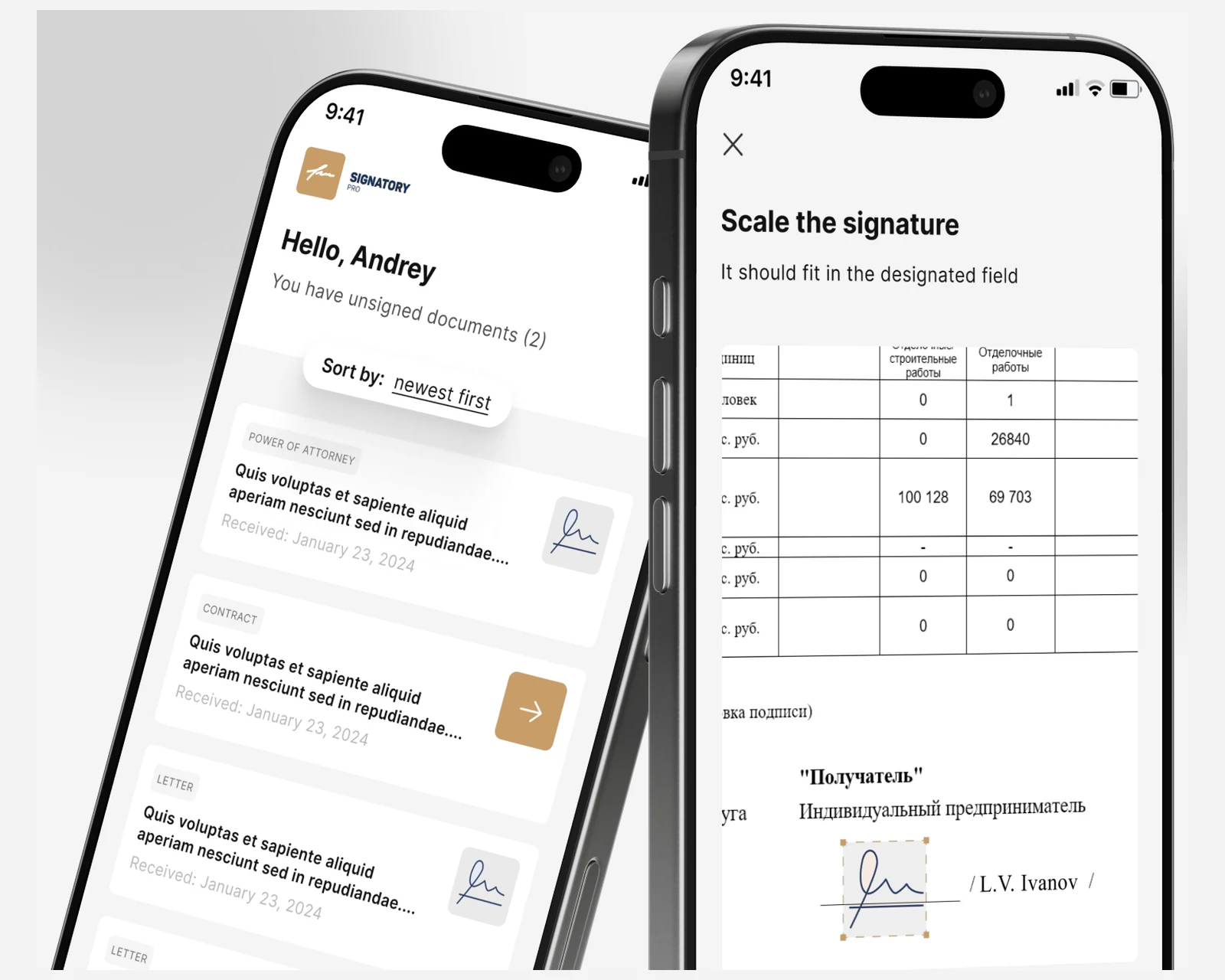
Native iOS and Android e-signature clients with a Symfony + React CRM for a cross-border law firm — KYC onboarding and a defensible evidence trail for US & EU matters.
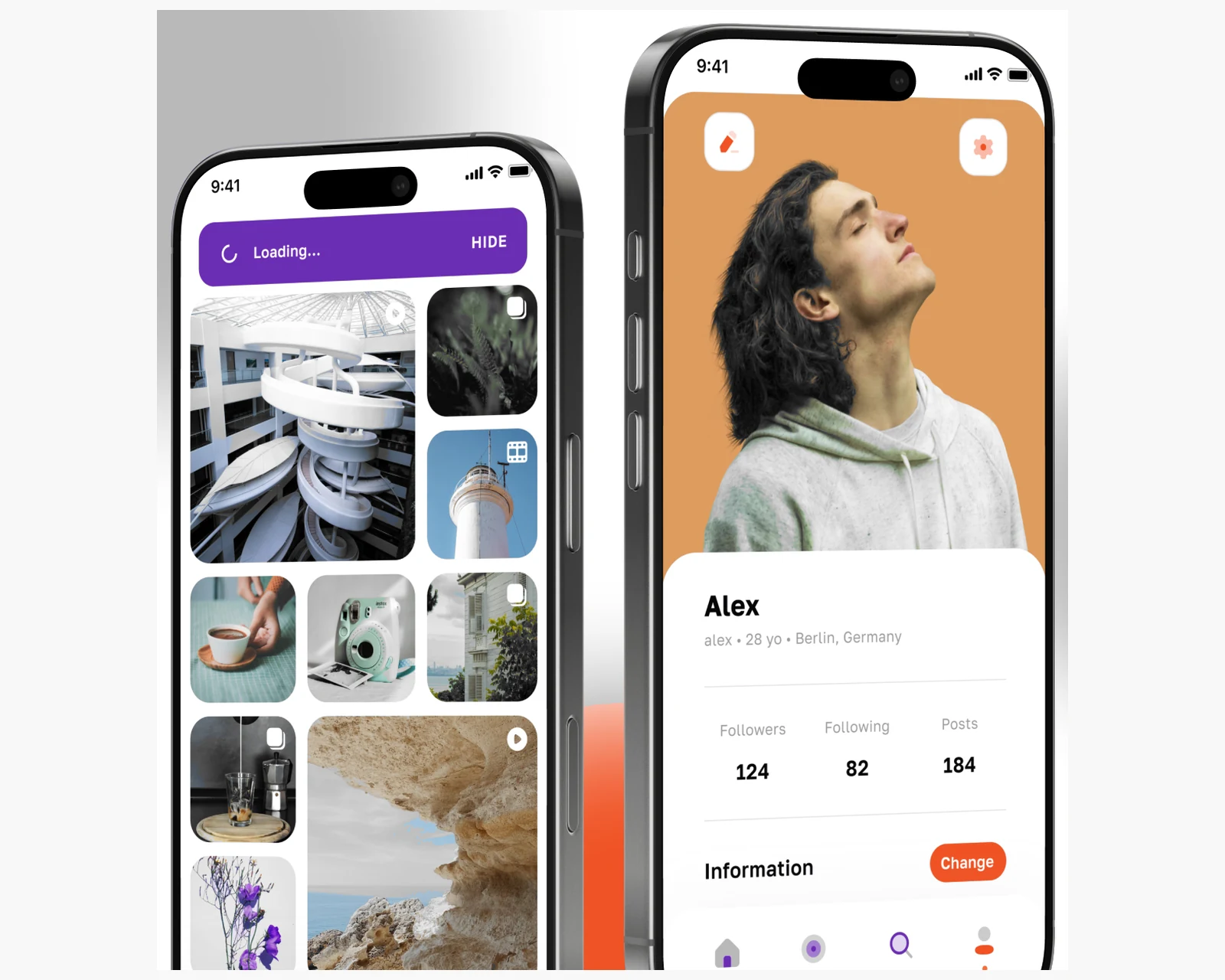
Production social platform — App Store + Google Play, live across the US and EU — with geo Radar, encrypted messaging and a virtual economy.
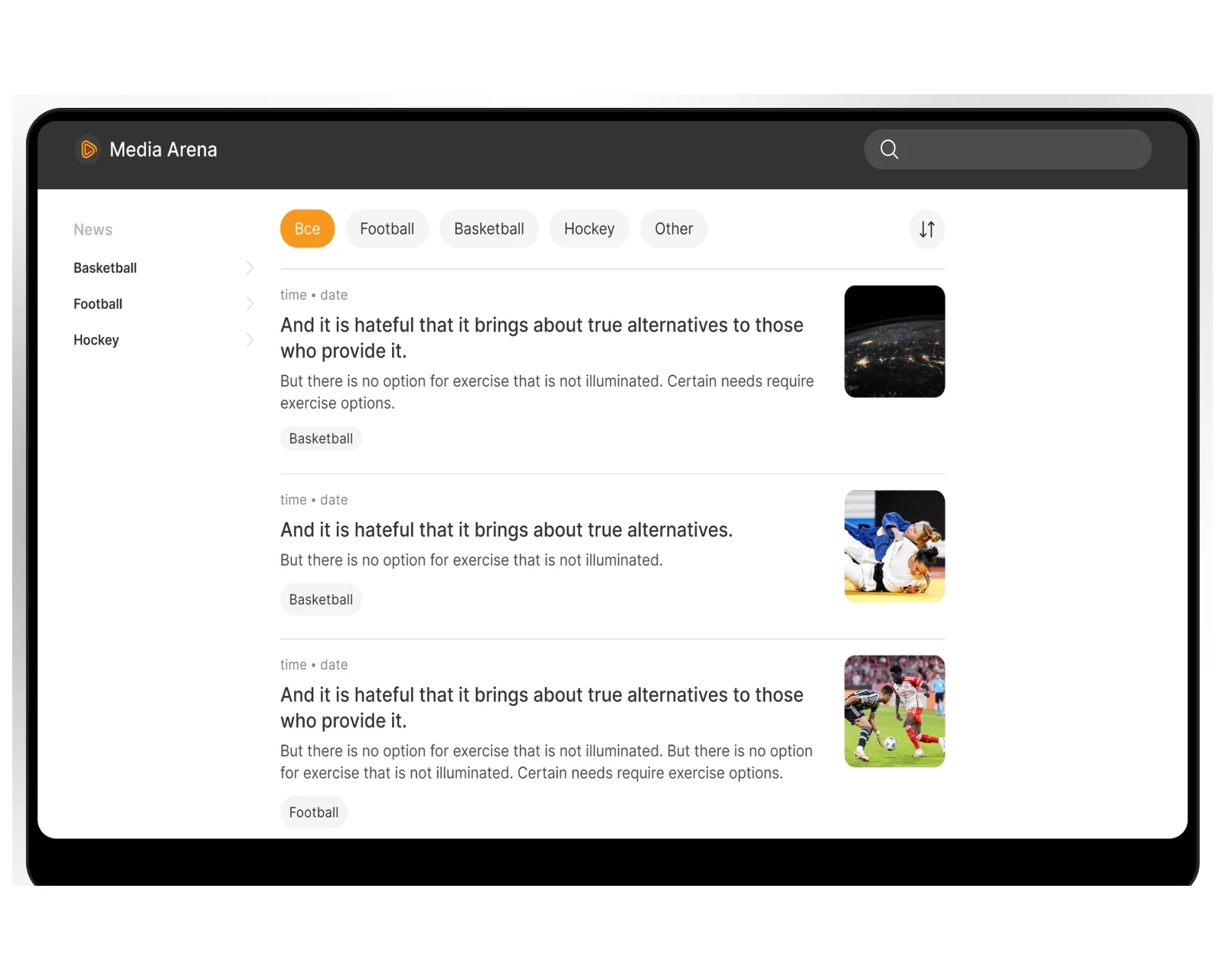
Cross-platform sports news app and web portal — Telegram-bot CMS instead of a custom admin, Markdown publishing pipeline.
Why YuSMP
We have shipped Claude tool-use and MCP-based agents in production, not prototypes — with approval gates and observability that hold up to enterprise review.
Prompt caching and Opus/Sonnet/Haiku tiering are part of every build, so you get the quality you need without paying frontier-model rates on every call.
Every Claude engagement starts with an EU AI Act risk classification and a documented data-routing and no-training posture — a technical file, not a spreadsheet.
FAQ
Claude is strong on long-context reasoning, instruction following, tool use and lower hallucination rates on grounded tasks, which makes it a good default for agentic workflows, document analysis and assistants over private corpora. We benchmark Claude against GPT and other models on your own eval set rather than relying on leaderboards, and we build a provider-neutral layer so you can switch if the economics or quality shift.
Yes. We build agentic systems where Claude calls typed tools, internal APIs and databases through the Messages API, with retry logic, structured output validation and human-in-the-loop approval gates for sensitive actions. We also use the Model Context Protocol (MCP) to expose reusable capabilities so the same tools serve multiple agents and surfaces.
Prompt caching lets Claude reuse a previously processed prefix — system prompts, tool definitions, long documents — so cached input tokens are billed at a large discount and latency drops on repeat calls. For assistants and RAG flows with a stable system prompt or shared corpus, this commonly cuts input cost substantially. We design the prompt layout so the cacheable prefix is maximised and measure the hit rate in production.
No. Anthropic does not train its models on data submitted through the commercial API by default, and we document this no-training posture in your data processing agreement and EU AI Act technical file. We also redact PII at the perimeter and minimise what is sent so sensitive data never leaves your control unnecessarily.
Yes. We route Claude traffic through Amazon Bedrock or Google Vertex AI in EU regions so personal data stays within the required jurisdiction, with no-training configuration and logging under your control. Routing is per tenant, so EU customers can be pinned to EU regions while other traffic uses the first-party API.
Yes — we serve Claude through Amazon Bedrock under a signed Business Associate Agreement (BAA), apply minimum-necessary prompting and de-identification, and keep audit logging and access controls in scope for your HIPAA programme. We document the data flow so your compliance team can review it before any PHI is processed.
Use Opus for the hardest reasoning, complex agentic orchestration and high-stakes analysis; Sonnet as the balanced default for most production features where it meets the quality bar at lower cost and latency; and Haiku for high-volume, latency-sensitive or simple tasks such as routing, classification and extraction. We tier work across all three behind one router and choose per task based on eval scores, cost and latency SLA.
Response within 1 business day. NDA on request.
Share a few details and a senior consultant will reply within one business day.