Legacy PHP security vulnerabilities
PHP codebases with mixed old and new code are common attack surfaces for SQL injection, XSS and CSRF. We perform a security audit on inbound projects and remediate critical vulnerabilities before adding features.

PHP Laravel Symfony E-commerce
PHP powers over 75% of the web and runs the largest e-commerce and content platforms in the world. We build PHP applications with Laravel, Symfony and headless PHP APIs for US and EU clients — focusing on performance, security hardening and GDPR-compliant data handling. Whether you're migrating a legacy PHP codebase or building a new SaaS platform, our PHP engineers work at the framework level, not the script level.

PHP powers over 75% of the web and runs the largest e-commerce and content platforms in the world. We build PHP applications with Laravel, Symfony and headless PHP APIs for US and EU clients — focusing on performance, security hardening and GDPR-compliant data handling. Whether you're migrating a legacy PHP codebase or building a new SaaS platform, our PHP engineers work at the framework level, not the script level.
Challenges
PHP codebases with mixed old and new code are common attack surfaces for SQL injection, XSS and CSRF. We perform a security audit on inbound projects and remediate critical vulnerabilities before adding features.
PHP-FPM's process-per-request model limits concurrency. We implement Redis output caching, OPcache tuning, query optimisation and horizontal FPM scaling — with load testing before each major release.
Large PHP projects accumulate hundreds of Composer dependencies, many unmaintained. We audit the dependency tree, pin versions, run Roave Security Advisories checks in CI and remove unused packages.
Eloquent's implicit lazy loading causes N+1 queries silently. We enable Eloquent::preventLazyLoading() in development and use eager loading with with() and join throughout.
PHP wasn't designed for long-running processes — memory leaks in worker loops cause OOM kills. We profile workers with Blackfire, unset unused objects explicitly and implement a max-messages-per-worker restart policy.
PHP session IDs in cookies, analytics cookies and third-party SDKs require GDPR consent. We implement a consent-first flow, SameSite=Strict session cookies, and audit all third-party JavaScript loaded from PHP templates.
Solutions
Full-stack PHP applications — REST APIs, admin panels, e-commerce backends and SaaS platforms — built on Laravel 11 or Symfony 7 with PHPUnit test coverage.
Migration from PHP 7.x/8.0 to PHP 8.3, procedural to OOP, raw SQL to ORM, and legacy framework to Laravel or Symfony — with automated test coverage added before refactoring begins.
JSON REST API or GraphQL (Lighthouse, webonyx/graphql-php) backed by Laravel or Symfony, consumed by React, Vue or mobile clients — full OpenAPI documentation.
WooCommerce, Magento 2 or custom PHP e-commerce with PCI DSS tokenisation, multi-currency, EU VAT handling and inventory management.
PHPUnit test suite, Psalm/PHPStan static analysis, PHP-CS-Fixer formatting, Roave Security Advisories CVE check and PHP 8.3 compatibility CI gate.
OPcache tuning, Blackfire profiling, Redis query caching, PHP-FPM pool sizing and database index review — with before/after load-test evidence.
Stack
PHP 8.3, Laravel 11, Symfony 7, Composer, PostgreSQL, MySQL, Redis, RabbitMQ, Docker, Nginx, PHPUnit, PHP-CS-Fixer, Psalm/PHPStan, Sentry.
Compliance
GDPR-aligned · PCI DSS e-commerce patterns · HIPAA PHP encryption · SOC 2 logging
Cases
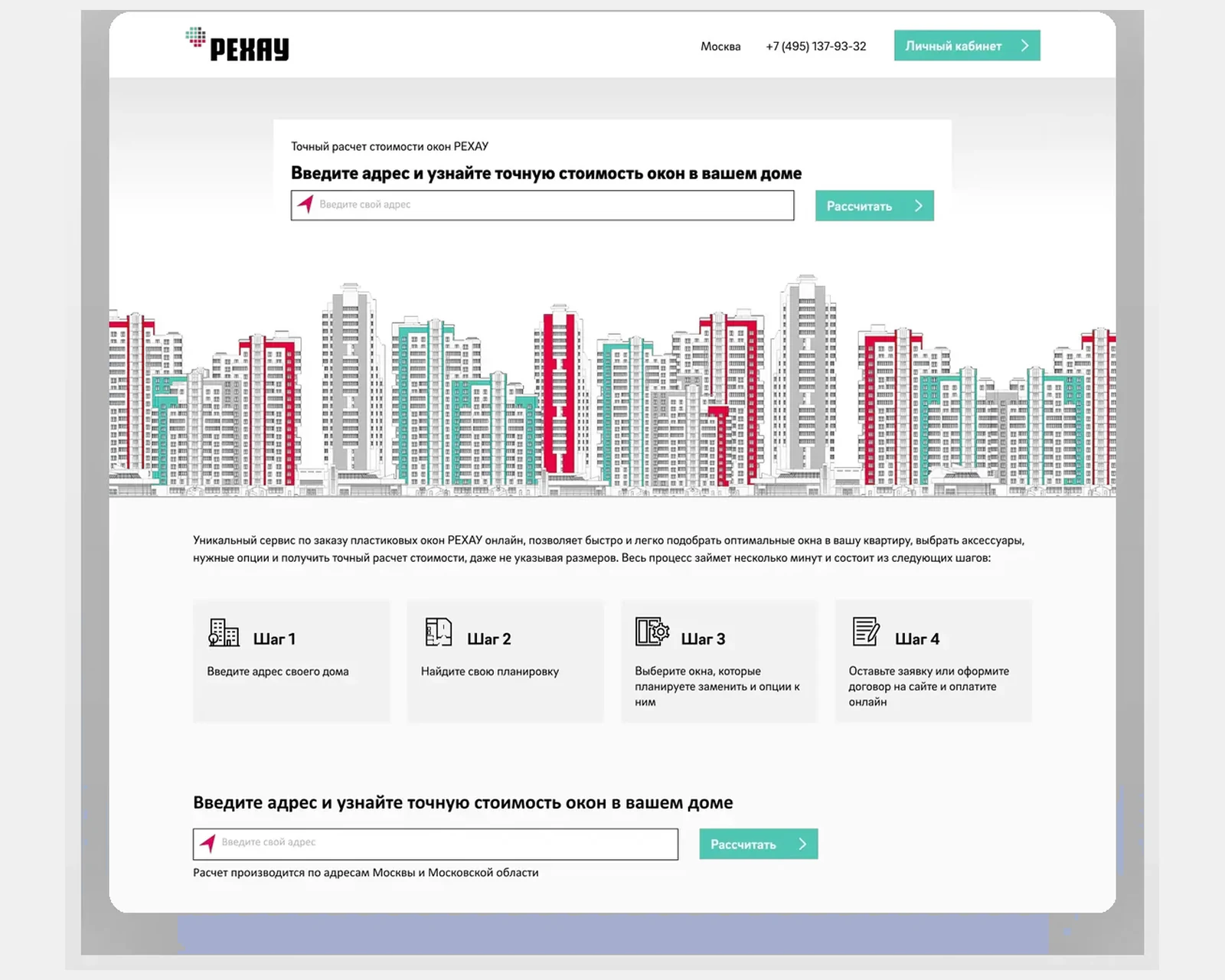
B2B e-commerce and product configurator for a global polymer manufacturer with multi-region pricing, stock and dealer workflows.
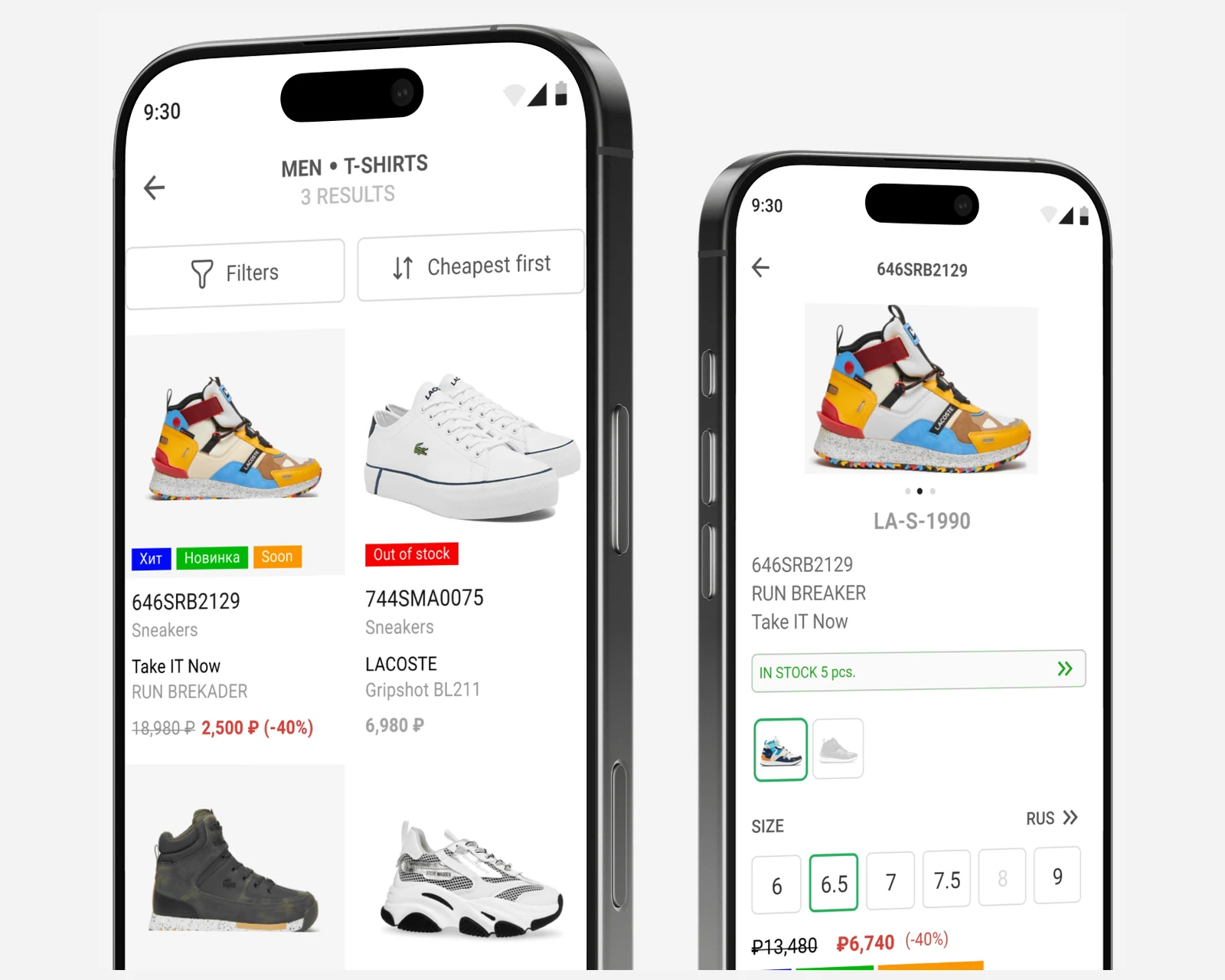
Retail POS companion app for a multi-brand boutique chain — ElasticSearch cross-store inventory search, 1C-system integration.
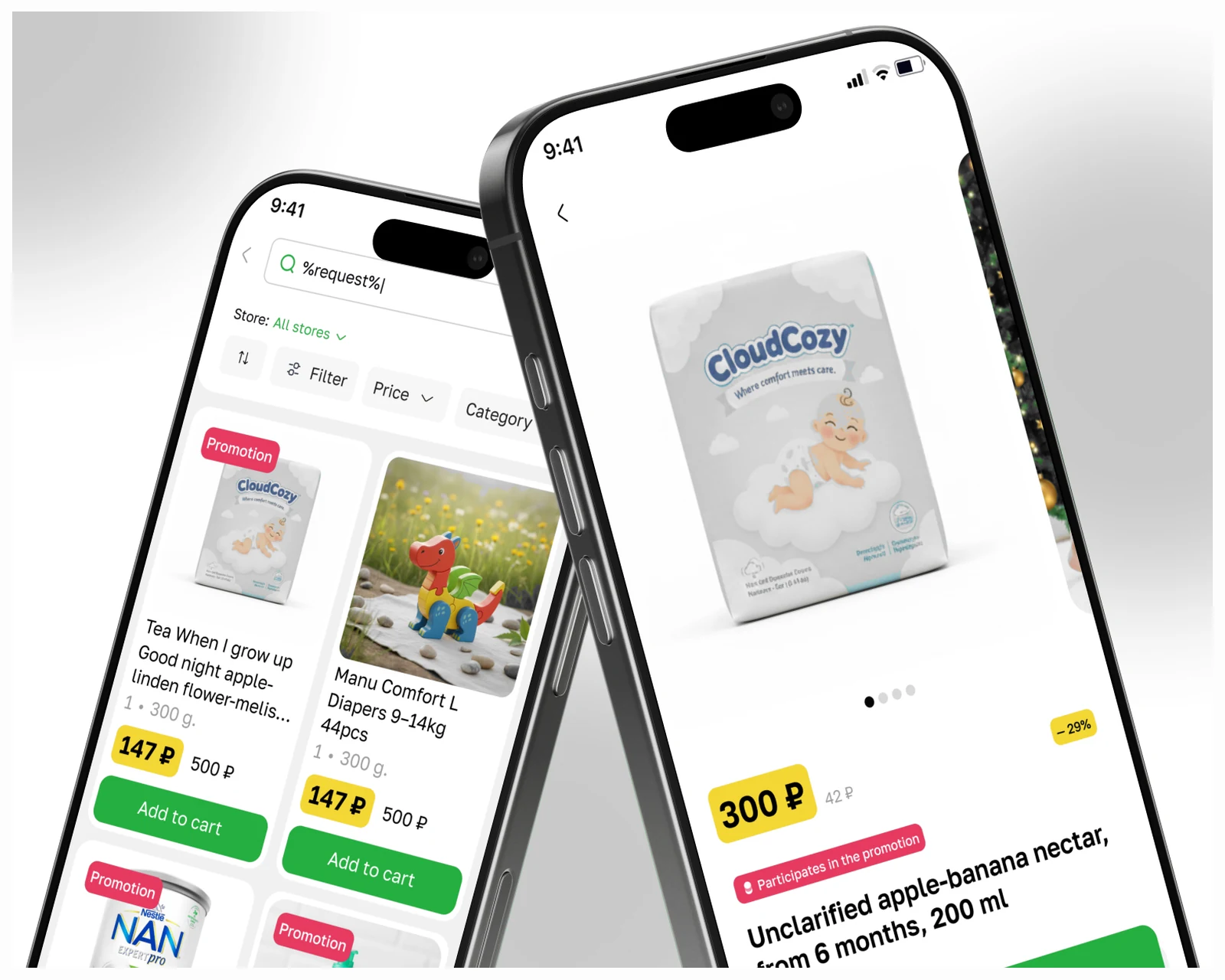
Local marketplace mobile app for an offline children's-goods chain — flexible catalog, two-tap checkout, online/offline stock sync.
Why YuSMP
We build Laravel and Symfony applications using the full framework stack — service providers, middleware, events, queues and contracts — not procedural PHP wrapped in a framework.
Inbound PHP projects get a security audit covering SQL injection, XSS, CSRF, open redirects and unsafe deserialization before we add new functionality.
Every PHP optimisation engagement ends with a load-test report showing before/after throughput and latency numbers — not impressions.
FAQ
Laravel for developer productivity and speed — convention-over-configuration, Eloquent ORM, Artisan generators, Blade templates and first-party packages (Sanctum, Passport, Horizon, Telescope). Symfony for flexibility and long-term maintainability — components can be used standalone, contracts over implementations, and no magic. Laravel is built on Symfony components. We use Laravel for most new projects; Symfony for large enterprise projects where the team's PHP expertise is deep and long-term maintainability outweighs speed-of-development.
We run Roave Security Advisories in Composer (blocks install of packages with known CVEs), run Psalm/PHPStan at the maximum strictness level, enforce PHP_CodeSniffer security rules (PHPCS Security Audit), and perform a manual OWASP Top 10 review on all data-handling code paths before each production release.
PHP-FPM process pool sizing tuned to available memory, OPcache enabled with file validation disabled in production, Redis object caching for expensive queries, database read replicas via Eloquent read/write connection splitting, and a CDN in front of static assets. For very high traffic, we introduce a Redis output cache layer and consider a queue-based architecture for write-heavy endpoints.
Not natively — PHP-FPM is process-per-request. We use ReactPHP or Swoole/OpenSwoole for long-lived connections (WebSockets, SSE) in a separate PHP process alongside the main FPM application. Alternatively, Reverb (Laravel's first-party WebSocket server, built on ReactPHP) handles WebSockets while Laravel Queues handle async jobs.
PHI fields encrypted with openssl_encrypt (AES-256-GCM) at the PHP layer before database storage; keys stored in AWS KMS or HashiCorp Vault — not in the application config. PHP session handler replaced with an encrypted session handler. All access to PHI logged to an append-only audit table. Database read replicas for PHI data are encrypted at rest (RDS encryption or LUKS). TLS 1.2+ enforced at the Nginx/load-balancer layer.
We use Rector for automated PHP 7→8 migration (deprecated functions, type declarations, named arguments). Static analysis with Psalm or PHPStan catches type errors the automated migration misses. We add a PHPUnit test suite (if not present) before refactoring, then migrate one major version at a time (7.4 → 8.0 → 8.1 → 8.2 → 8.3) in CI, validating at each step. Symfony Deprecation Contracts and Laravel upgrade guides cover framework-specific breaking changes.
PHP-FPM (FastCGI Process Manager) handles web requests — one process per concurrent request, process recycled after max_requests. PHP workers (running via Supervisor or Laravel Horizon) are long-running PHP processes that consume jobs from a queue — they handle async tasks, email sending, image processing and scheduled jobs. Workers must be explicitly restarted after a code deploy (php artisan queue:restart) to pick up the new code.
Response within 1 business day. NDA on request.
Share a few details and a senior consultant will reply within one business day.