Lending App Development: Compliance, Store Rules, and What It Actually Costs
What it takes to ship a borrower-facing lending app: licensing, app store policies, permissions limits, explainable underwriting, servicing, and realistic budgets.

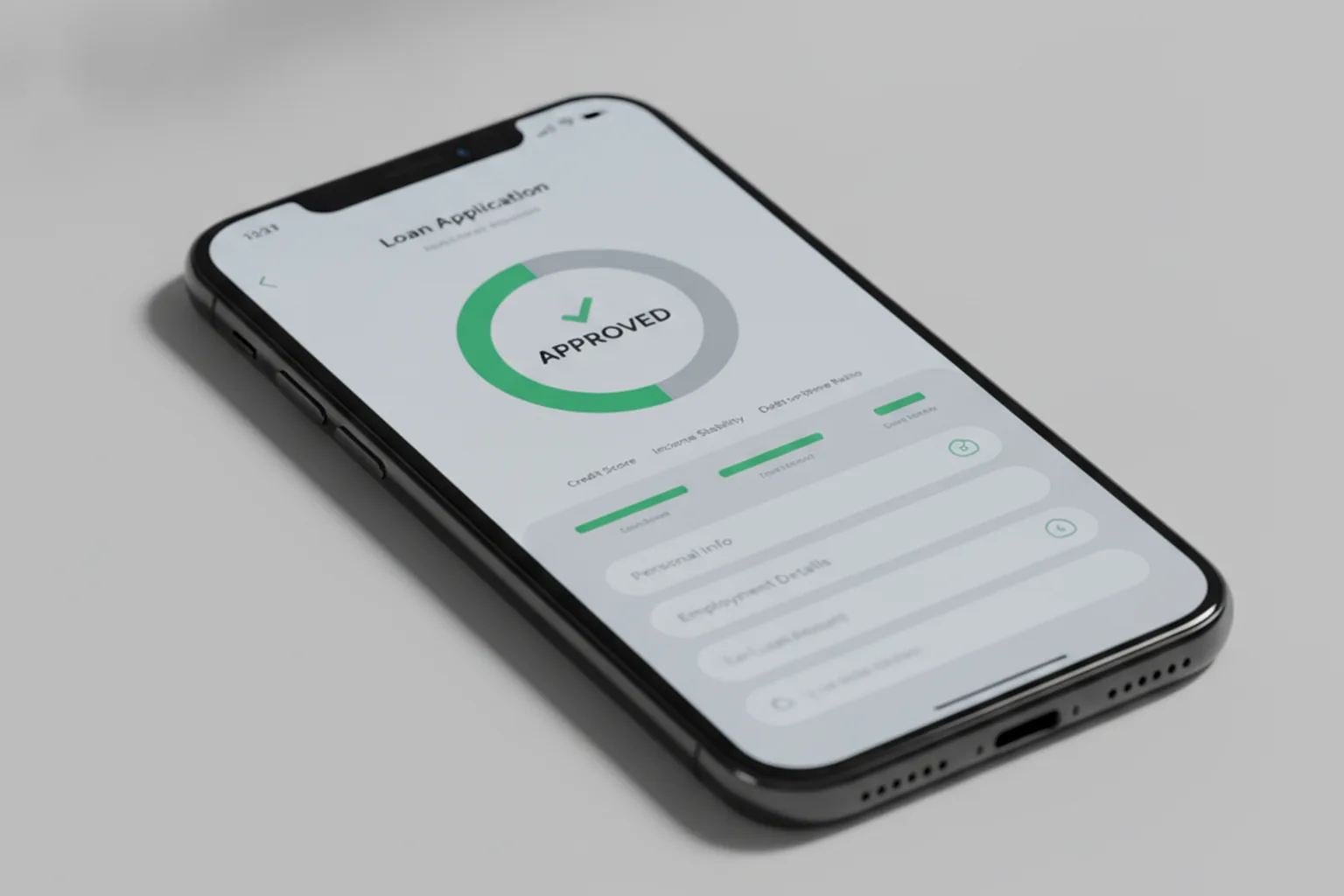
General information, not legal advice. Confirm requirements with counsel licensed in your markets.
TL;DR: Lending app development costs $90k–$350k+ depending on scope. Secure licensing before scoping architecture — it determines your markets and your tech choices. App store review for lending is a separate compliance layer with its own rejection criteria. Underwriting must produce reason codes for declined applications. Servicing and collections — not origination — generate most post-launch engineering work and regulatory exposure.
Most guides to lending apps are feature lists with a price range attached. They rarely mention the two things that most often stop a lending product from shipping: the licensing position that determines your entire architecture, and the app store policies that reject consumer loan apps for reasons unrelated to code quality. This guide covers both — drawing on our mobile app development and fintech engineering experience across US and EU markets — along with the parts of the product that only exist after the money goes out.
Start with the loan lifecycle, not the feature list
Teams that begin with features build excellent origination and discover six months later that they have no way to service what they originated. Start instead with the full lifecycle and ask what your product does at each stage.
| Stage | What happens | What it needs |
|---|---|---|
| Acquisition | Borrower discovers and installs | Store presence, disclosures, onboarding that survives scrutiny |
| Application | Data capture, identity, consent | KYC, document handling, explicit consents |
| Verification | Identity, income, employment | Identity vendor, bank data or payroll data |
| Underwriting | Decision and pricing | Scoring, policy rules, bureau data, decision records |
| Approval or decline | Communicating the outcome | Reasons for decline, in a form the regulator accepts |
| Disbursement | Money moves | Payment rails, ledger entry |
| Servicing | Schedules, statements, early repayment | Ledger, notifications, self-service |
| Delinquency | Missed payments, restructuring | Workflow, regulated communication |
| Reporting | Regulator, bureau, investor | Audit trails, exports |
Half of these stages sit after disbursement, and in most competing guides they get one sentence. In an operating lending business they generate most of the support load and most of the regulatory exposure.
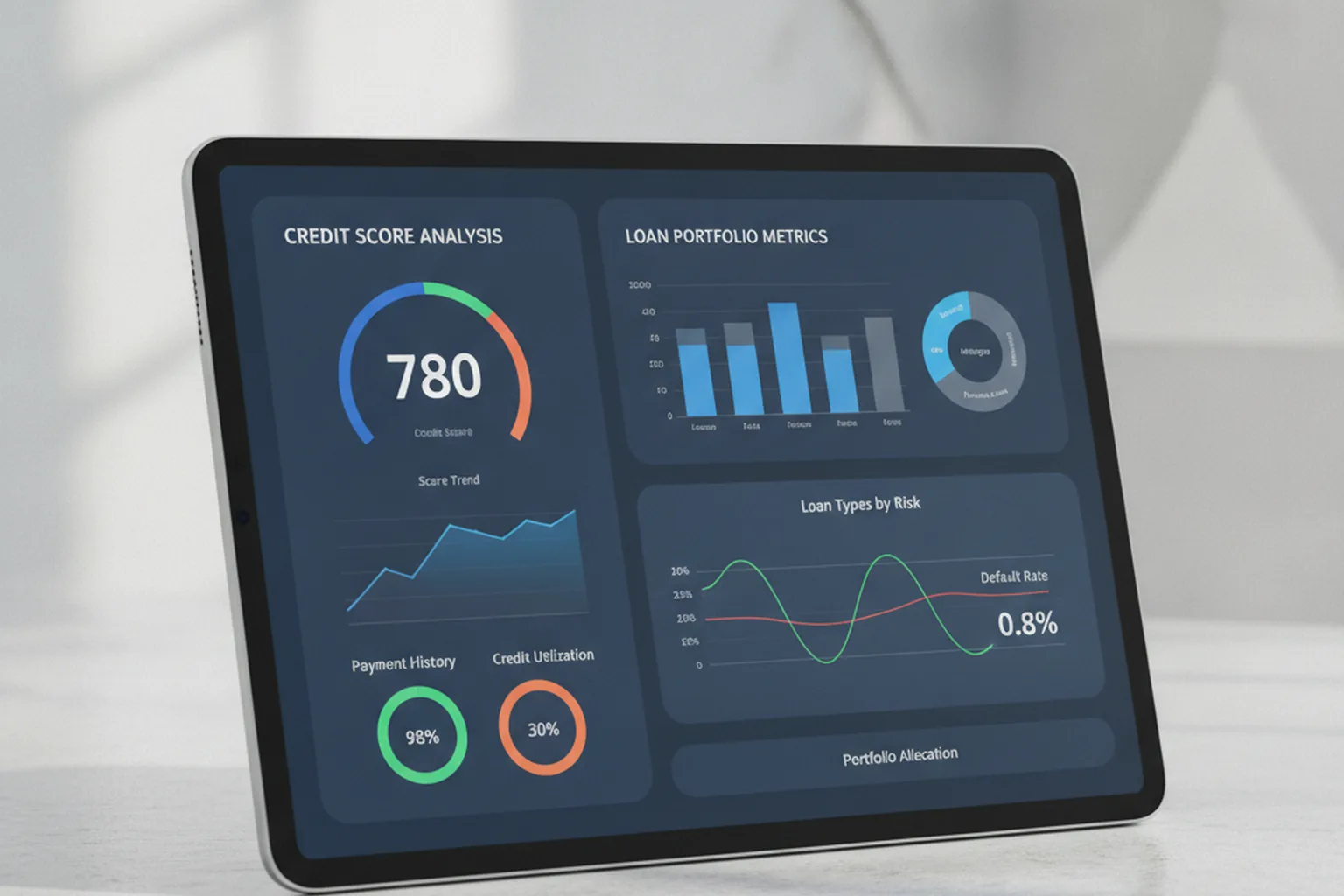
What kind of lender are you
The business model dictates the build far more than the feature wishlist does.
| Model | You hold the risk | Typical build focus |
|---|---|---|
| Balance-sheet lender | Yes | Full stack: origination, ledger, servicing, collections, reporting |
| Marketplace | No, investors or partner lenders do | Matching, disclosure, multi-lender routing, investor reporting |
| Embedded lending | Depends on partner | SDK or API integration into a host product, thin front end |
| Buy now, pay later | Usually yes | Merchant integration, split schedules, high-volume small-ticket servicing |
| Peer-to-peer | Platform intermediates | Two-sided product, investor onboarding, additional regulatory scope |
Each model has a different regulatory footprint. Decide before architecture, because retrofitting a marketplace into a product designed for a single balance-sheet lender is close to a rewrite.
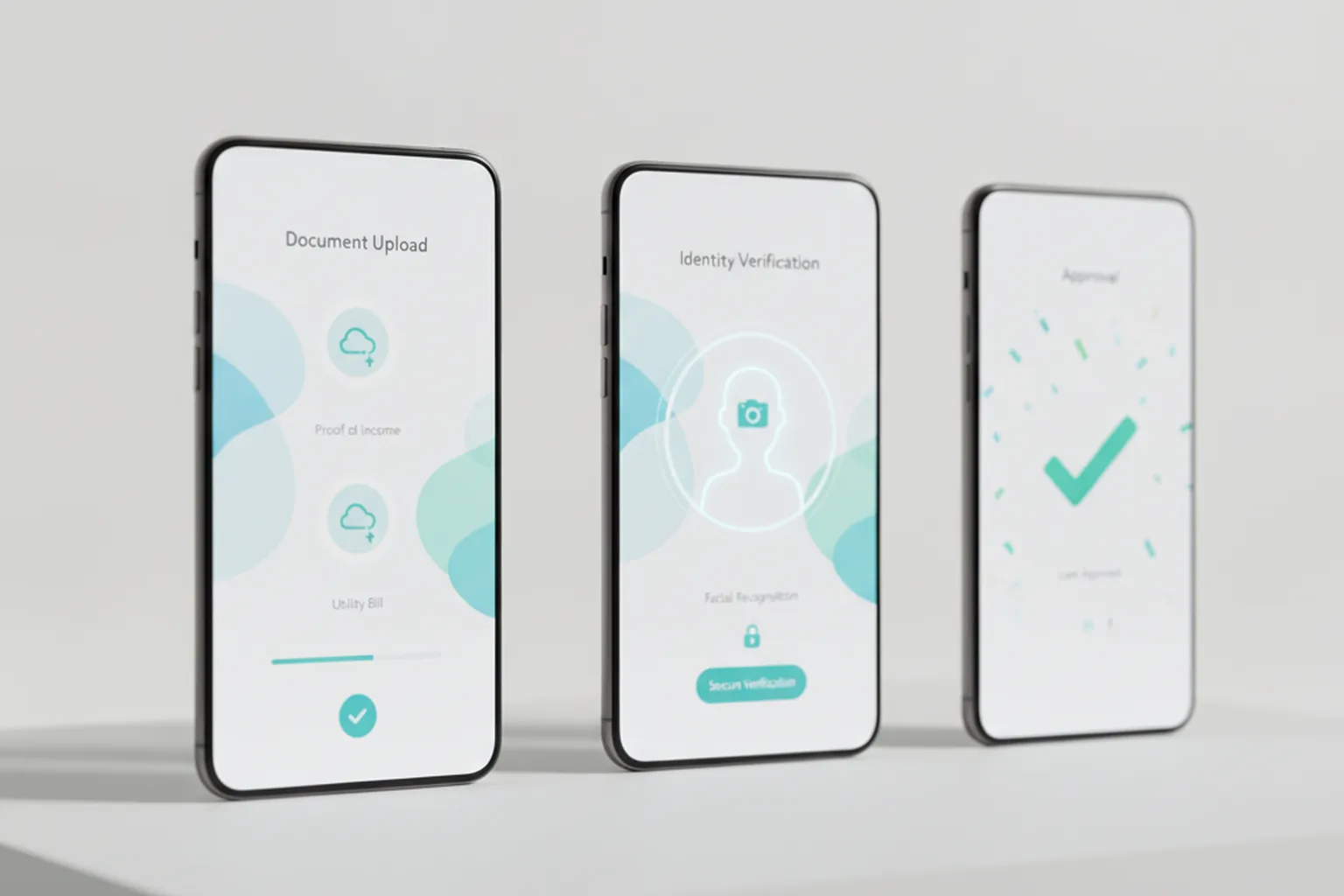
Must-have features for a lending app
Features follow from the lending model, not the other way around. Every production lending product needs the capabilities below; the MVP question is how deep each goes in version one — not whether it exists at all.
| Feature area | What it covers | MVP |
|---|---|---|
| Registration and onboarding | Account creation, phone or email verification, consent capture | Core |
| Loan application form | Data capture: loan amount, purpose, term, personal and employment details | Core |
| KYC and identity verification | Document capture, liveness check, sanctions screening via certified vendor | Core |
| Income and bank data verification | Open banking or payroll connection; manual document upload as fallback | Core |
| Credit scoring and underwriting | Bureau pull, rules engine or ML model, explainable decision with reason codes | Core |
| Loan offer and e-signature | Offer presentation with representative example, terms, and legally binding consent | Core |
| Disbursement | Payment rail integration (ACH, RTP, bank transfer) and ledger entry | Core |
| Repayment schedule and self-service | Payment schedule, early repayment, method management, statement access | Core |
| Push and SMS notifications | Payment reminders, status updates, delinquency alerts | Core |
| Admin back office | Loan portfolio view, manual review queue, customer support tools, reporting | Core |
| Analytics and regulatory reporting | Portfolio metrics, bureau reporting, investor reporting, audit export | Phase 2 |
| Delinquency workflow | Grace periods, fee logic, restructuring options, regulated communication sequences | Phase 2 |
The most common scope mistake is treating servicing and delinquency features as phase two. Borrowers interact with your repayment interface every month for the life of the loan — under-scoping it means high support volume and regulatory exposure when the first missed payments arrive.
Licensing comes before architecture
In lending, the licence position is not a legal detail to sort out in parallel — it determines what you can build and where.
In the United States, consumer lending is licensed largely at state level, and requirements differ by state, product type and loan size. Many fintechs operate through a partner bank instead of holding licences directly, which brings the partner’s compliance function into your roadmap. Disclosure obligations under federal truth-in-lending rules shape the actual screens: what must be shown, when, and in what form. Fair lending rules constrain how decisions are made and documented.
In the EU and UK, consumer credit is regulated with its own authorisation routes and, importantly, a mandatory creditworthiness assessment before lending. That assessment is a product requirement, not just a policy: it has to happen, and you have to be able to show that it happened.
The practical consequence for a development project: get the licence answer first. It determines your markets, your disclosure screens, your data retention, and whether a partner’s approval sits on your release path.

App store rules for lending apps
This is the section missing from every other guide on this topic, and the most common reason a finished lending app fails to launch.
Both major app stores maintain specific policies for personal loan applications, over and above their general financial services rules. In broad terms, they cover:
| Area | What the policies address |
|---|---|
| Interest rate ceilings | Caps on the annual percentage rate an app may offer |
| Loan term restrictions | Prohibition of short-term, high-cost lending below a minimum repayment period |
| Licence verification | Requirement to demonstrate authorisation in each market you serve |
| Mandatory disclosures | Representative examples, fee schedules and terms in the store listing itself |
| Geographic declaration | Explicit statement of which countries the app serves |
| Device permissions | Strict limits on what a lending app may access |
| Collections conduct | Prohibition on using device data to pressure borrowers |
Exact thresholds change, so verify current policy text before you scope. What does not change is the pattern: reviewers treat consumer lending as a high-risk category, first submissions are scrutinised closely, and rejections frequently concern the listing and disclosures rather than the software.
Practical measures that prevent a launch delay:
- Prepare store disclosures during development, not at submission
- Have licence documentation ready in a form a reviewer can verify
- Budget more than one review cycle for the first release
- Keep the app’s stated geographic scope aligned with your actual licences

Permissions: the line between data-driven and predatory
Related to the above, and worth stating plainly. Both stores now prohibit consumer lending apps from accessing a device’s contacts and photos.
The reason is well documented: a category of loan apps harvested address books and photo libraries, then used that data to pressure borrowers by contacting their family and colleagues after a missed payment. The policy response was categorical.
For a legitimate lender the implications are practical:
- Do not design flows that depend on contacts access. “Invite a guarantor from your contacts” seems harmless and will fail review.
- Justify every sensitive permission. Camera for document capture is defensible. Location for fraud signals may be, with clear disclosure. Anything unexplained is a risk.
- Collect the minimum. In a category under this much scrutiny, an unusual data appetite is a reputational and regulatory liability regardless of intent.
- Audit your SDKs. Third-party libraries can request permissions or collect device data your product never intended to touch.
Our mobile app development team and Android development practice includes engineers who have navigated personal loan app reviews on both platforms. Our iOS development practice covers App Store review strategy as part of the engagement, not as an afterthought.
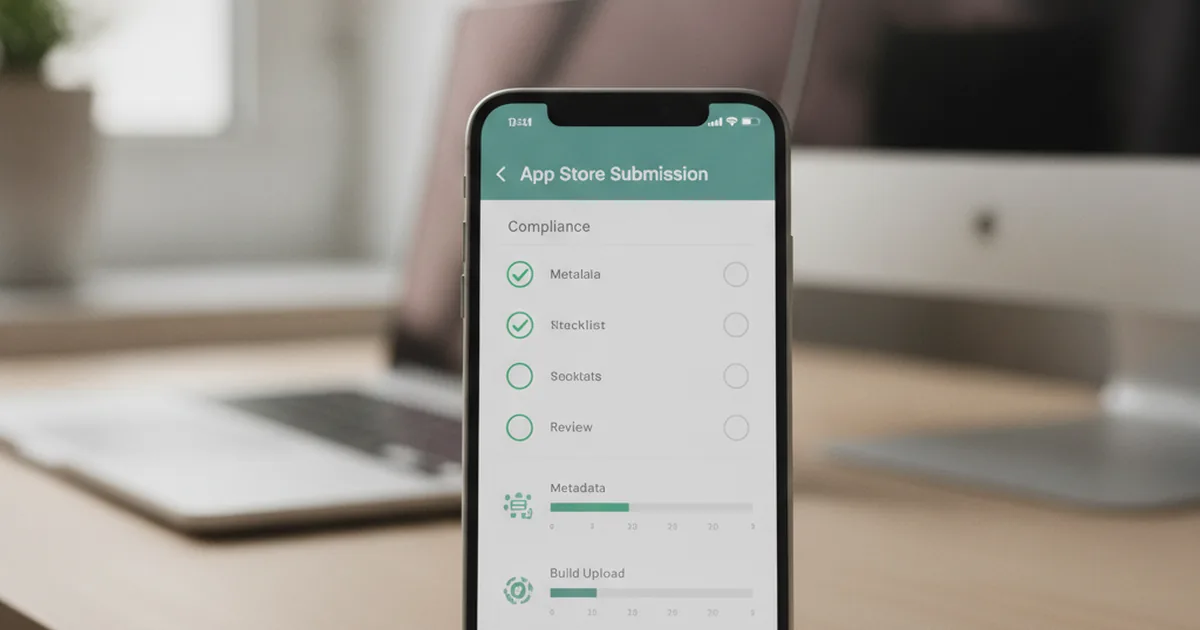
Underwriting and the explainability requirement
If a machine learning model participates in your credit decisions, it must be able to explain them.
When an application is declined, the borrower is entitled to specific principal reasons for that decision under US credit rules, with comparable expectations elsewhere. “The model scored you below threshold” does not satisfy that. This makes explainability a hard product requirement, not a preference — a model that cannot produce reason codes is unusable in a lending decision regardless of how accurate it is.
What this means in practice:
- Choose model architectures that support reason attribution, or pair the model with a rule layer that produces the notice
- Store the full decision record: inputs, model version, output, reasons, timestamp — you will need to reproduce decisions later
- Test for disparate outcomes across protected characteristics; unequal results can create liability even without intent
- Keep humans in the loop for edge cases and appeals, and design the workflow for it
The decision record also matters commercially. Investors, partner banks and auditors all ask the same question — why did you approve this loan — and a system that cannot answer creates friction at every funding round.

Verifying income without paperwork
Uploading bank statements is the slowest step in most lending flows and the largest source of drop-off. Two alternatives dominate now.
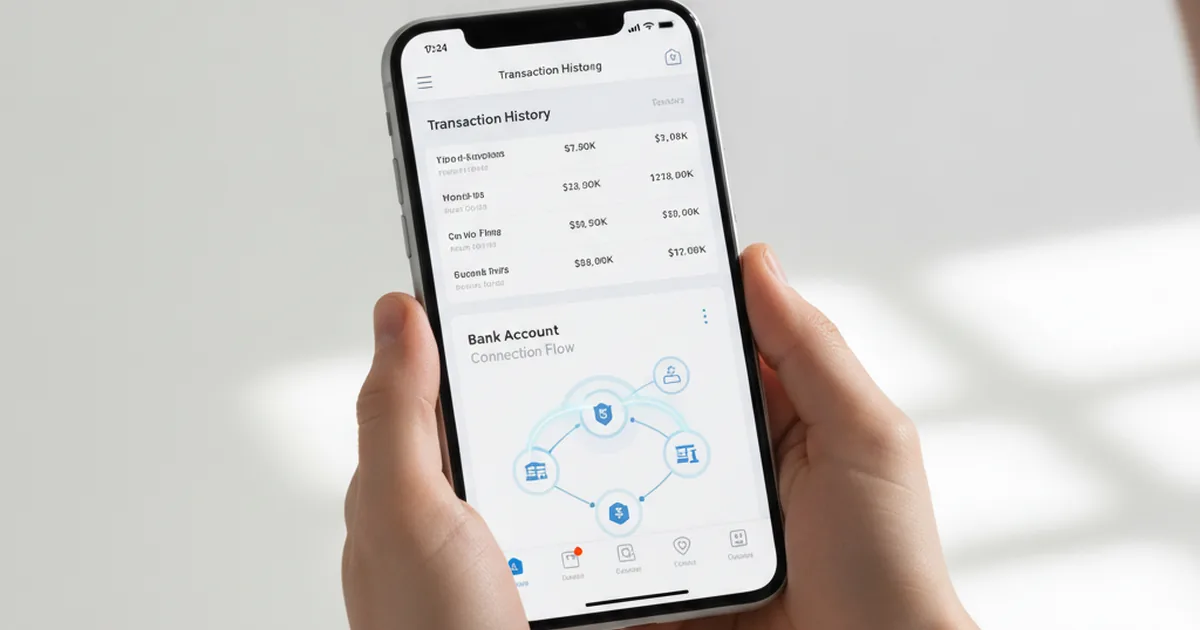
Bank data through open banking. With the borrower’s consent, the app retrieves transaction history directly, letting you assess income stability and existing obligations in seconds rather than days. In the EU and UK this operates under established access frameworks; in the US it runs through data aggregators. It transforms the affordability assessment from a document review into a data process.
Payroll and employment data. Direct connections to payroll providers confirm employment and income without the borrower doing anything beyond authenticating.
Both raise the same design questions: consent must be explicit and revocable, retention must be limited to what the decision requires, and the flow must degrade gracefully when a bank connection fails — which it will.
Servicing and collections
The half of the product that competing guides skip.
Servicing is where borrowers spend their time: payment schedules, statements, early repayment calculations, payment method changes, and a clear view of what is owed and when. Most support volume in a lending business comes from this surface, so self-service here directly reduces operating cost.
Delinquency handling needs to exist before your first missed payment, not after. That means grace periods, fee logic, restructuring options and a defined communication sequence.
Collections communication is itself regulated. Rules govern how and when borrowers may be contacted, and violations create liability. Build the contact rules into the system rather than leaving them to an operations team and a spreadsheet.
None of this is glamorous, and all of it is why lending products either scale or collapse under support load.

Selling into the EU and UK
Briefly, because the differences are substantial enough to change the project:
- Creditworthiness assessment is mandatory before granting consumer credit, and must be demonstrable
- Authorisation is required to conduct consumer credit activity, through routes distinct from US state licensing
- Data protection is stricter, with financial data attracting heightened expectations around lawful basis and retention
- Accessibility applies: banking and fintech software development products fall within the scope of the European Accessibility Act, in force since June 2025
A product designed for the US market rarely transfers without meaningful rework. Plan the target market before architecture, not after traction.

Cost and timeline
| Scope | What it covers | Timeline | Budget |
|---|---|---|---|
| MVP, one product, partner rails | Application, KYC, single loan product, disbursement, basic servicing | 4–6 months | $90,000 – $160,000 |
| Production lender | Full lifecycle including delinquency, reporting, admin back office, integrations | 7–10 months | $200,000 – $350,000 |
| Multi-product or multi-market | Several loan types or jurisdictions, investor reporting, advanced underwriting | 10+ months | $400,000+ |
What moves these numbers: the number of loan products (each adds policy rules, disclosures and servicing logic), the number of integrations (bureaus, identity, payments, payroll), and whether underwriting is rules-based or model-driven. Screen count is almost irrelevant by comparison.
Budget separately for the compliance workstream. It is not a percentage uplift on engineering — it is a parallel track that runs from discovery to launch.
Cost by component
| Component | What it covers | Typical range |
|---|---|---|
| UI/UX design | Application flows, design system, store-ready assets | $8,000–$20,000 |
| Mobile development | iOS + Android (native or cross-platform) | $30,000–$70,000 |
| Backend & API | Loan engine, ledger, decision service, admin | $40,000–$90,000 |
| KYC / identity | Identity vendor integration and compliance testing | $5,000–$15,000 |
| Credit bureau | API access, credit-pull integration | $3,000–$12,000 |
| Bank data | Open banking or aggregator for income verification | $5,000–$15,000 |
| Payments | Disbursement and repayment rails (ACH, RTP) | $8,000–$20,000 |
| QA + security audit | Functional, regression and penetration testing | $8,000–$20,000 |
| Annual maintenance | Hosting, compliance updates, security patches, monitoring | $30,000–$60,000/yr |
Ongoing maintenance for a production lending platform typically runs 15–25% of initial development cost per year, driven largely by compliance monitoring, regulatory updates and integration vendor changes rather than feature development.

What to ask a vendor
- Have you shipped a lending app to a public store? Ask what was rejected and why.
- How do you handle adverse action notices? A good answer covers reason codes and decision records without prompting.
- What does your servicing module do? If the answer is only about origination, half the product is missing.
- Which integrations have you worked with? Bureau, identity and payroll integrations each have their own quirks.
- Who owns the store accounts and the code? Both should be yours, in writing, before work begins.
Ask for a proposal that separates mobile app development, backend, integrations and compliance. A single number tells you nothing.

Security and data protection
Lending apps sit at the intersection of financial regulation and personal data — a target-rich environment for attackers and a standing focus for compliance teams. Security is not a phase at the end of the project; it is a design constraint from the first sprint.
| Requirement | What it covers | Relevant standard |
|---|---|---|
| Encryption in transit | TLS 1.3 for all API calls; certificate pinning on mobile clients | PCI DSS, GDPR |
| Encryption at rest | AES-256 for all PII and financial data in databases and backups | GDPR, SOC 2 |
| Fraud signals | Device fingerprinting, velocity checks, behavioural biometrics at application | Internal + bureau rules |
| Access control | Role-based access in the back office; least-privilege principle for all system accounts | ISO 27001 |
| Penetration testing | Pre-launch and annual; scope includes mobile clients and all API endpoints | PCI DSS, FCA guidance |
| Audit logging | Immutable records of underwriting decisions, consent events, admin actions | Consumer credit regulation |
| KYC / AML | Document verification, liveness check, sanctions screening, ongoing monitoring | AMLD5/6 (EU), BSA (US) |
| Data retention | Defined retention schedules; automated deletion on expiry | GDPR, CCPA |
PCI DSS compliance is mandatory if card payments are involved in repayment. Using a certified payment processor narrows the scope significantly, but does not eliminate it. GDPR (EU) and CCPA (California) both treat loan application data as sensitive personal data; legitimate interest is rarely a sufficient basis for processing it, and explicit consent tied to a specific purpose is the safer starting point.
The practical shortcut: use third-party vendors with their own compliance certifications for the highest-risk components. A SOC 2 Type II certified KYC provider carries more regulatory weight than an in-house implementation and is cheaper and faster to audit.
Tech stack
There is no single required stack for a lending platform, but the choices that serve lending products reliably share a pattern: high-concurrency server runtimes, relational databases with strong consistency and audit support, and mobile frameworks with mature financial-app track records.
| Layer | Common choices | Notes |
|---|---|---|
| Mobile — iOS | Swift, React Native, Flutter | Swift for native; RN or Flutter for shared codebase with Android |
| Mobile — Android | Kotlin, React Native, Flutter | Kotlin for native; match the iOS choice to reduce duplication |
| API layer | Node.js, Go, Python (FastAPI), Java (Spring Boot) | Go and Java favoured for high-throughput decisioning; Python common for ML credit-scoring services |
| Core ledger / database | PostgreSQL, TimescaleDB | Relational with strong consistency; avoid document stores for financial records |
| Search / analytics | Elasticsearch, ClickHouse | Portfolio analytics, audit-log querying, regulatory reporting |
| Queue / async | Kafka, RabbitMQ | Loan state-machine events, notification dispatch, webhook delivery |
| Infrastructure | AWS, GCP, Azure | AWS most common; EU-hosted instances recommended for GDPR; sovereign cloud for DE/FR regulated data |
| Cache | Redis | Session data, rate limiting, real-time notification state |
| Secrets management | HashiCorp Vault, AWS Secrets Manager | Bureau and KYC API keys must not be stored in application code or repositories |
Avoid document databases as the primary store for loan records. The lending lifecycle requires consistent writes, complex joins across accounts, payments and decisions, and point-in-time balance queries that relational databases handle natively. Document stores can be useful for supplementary data (application documents, audit messages) but should not be the source of truth for financial records.
Third-party integrations
A lending platform assembles certified integrations more than it builds proprietary alternatives. The categories every production lender needs to cover — and the most common providers in each — are listed below. Choosing accredited vendors here is both faster and more defensible in a regulatory audit than building equivalent capability in-house.
| Category | Purpose | Common providers |
|---|---|---|
| KYC / identity | Document verification + liveness detection | Onfido, Jumio, Veriff, Persona |
| Credit bureaus | Tradeline history, credit score | Experian, Equifax, TransUnion (US); CRIF, Schufa (EU) |
| Bank data / open banking | Income and transaction history with borrower consent | Plaid, MX, Finicity (US); Tink, TrueLayer, Nordigen (EU) |
| Payroll verification | Employment and income confirmation direct from payroll | Argyle, Pinwheel, Atomic (US) |
| Fraud signals | Device intelligence, velocity, synthetic-identity detection | LexisNexis, SentiLink, Socure |
| Disbursement rails | ACH, RTP, wire transfer for funding loans | Dwolla, Stripe Treasury, bank-direct ACH |
| Repayment processing | Scheduled debits, payment method management | Stripe, Braintree, bank-direct ACH |
| Sanctions / AML screening | PEP lists, sanctions databases, ongoing monitoring | Dow Jones, Refinitiv, ComplyAdvantage |
| Notifications | Push, SMS, email for servicing and collections events | FCM/APNs (push), Twilio (SMS), SendGrid (email) |
| Decision engine | Rules engine and policy management for underwriting | Provenir, Lentra, in-house rule layer |
For US credit bureau access, a reseller agreement through a platform provider can simplify the commercial relationship considerably for a pre-scale lender — direct bureau contracts carry minimum volume commitments that rarely suit an early-stage product.
Our custom software development team and fintech practice have integrated across most categories in this table and can advise on vendor selection, contract terms and integration timelines based on your target markets.
How to build a lending app: step-by-step
Six stages, each with dependencies on the previous one. Compressing the sequence is the most reliable way to add months to the total delivery timeline.
-
Resolve licensing and market position
Before any architecture decision: what kind of lender, in which markets, under which licence or partner arrangement. This determines your disclosure screens, data retention periods, required creditworthiness checks, and whether a partner bank approval sits on your release path. Resolving it after development begins means rebuilding the parts that depend on it.
-
Run a discovery phase
A structured 4–8 week phase covering product requirements, technical architecture, integration vendor selection, compliance review, and a detailed project plan with cost estimate. Discovery produces a specification that development can be costed and contracted against. Skip it and you are pricing development from a feature list, which predictably underestimates integration work and compliance requirements.
-
Design the borrower experience
Lending UX has specific constraints: application flows must capture data in the required order, consent must be explicit at each stage, and the loan offer screen must meet regulatory presentation standards. Design in parallel with backend architecture. Build the design system and store-ready assets before mobile development starts.
-
Build in layers: mobile, backend, integrations
Mobile development (iOS and Android, native or cross-platform), backend services (loan engine, decisioning, ledger, servicing), and third-party integrations (KYC, bureau, bank data, payment rails) run in parallel but are sequenced by dependency. Build and test the loan state machine first — it is the core of the product. Integration work takes longer than it looks: each vendor has its own certification and test environment requirements.
-
Complete regulatory and security review
Penetration testing, compliance review of the full loan flow (adverse action notices, consent events, data retention schedules), and preparation of the store submission package (disclosures, licence documentation, geographic scope declaration). This is a parallel workstream that begins at discovery — not a gate at the end of engineering. Budget a minimum of 6–8 weeks.
-
Submit to app stores and launch with monitoring
First submissions for consumer lending apps take longer than standard review, and rejections are common — plan for at least two review cycles. Launch with real-time monitoring on the underwriting service, payment rails, and KYC vendor response times. The first weeks in production reveal integration edge cases that test environments did not surface.
Frequently asked questions
How much does it cost to build a lending app?
An MVP with one loan product on partner rails typically runs $90,000–$160,000 over four to six months. A production lender covering the full lifecycle, including servicing and delinquency, lands between $200,000 and $350,000 over seven to ten months. The number of loan products and integrations drives cost far more than screen count.
What are the app store rules for lending apps?
Both major stores apply specific policies to personal loan apps: caps on interest rates, prohibition of short-term high-cost lending below a minimum repayment period, required licence verification and disclosures in the store listing, declaration of the countries served, and strict limits on device permissions. First submissions in this category face close scrutiny, so prepare disclosures and licence documentation alongside development.
Can a lending app access a user's contacts?
No. Both major app stores prohibit consumer lending apps from accessing contacts and photos, following widespread abuse where apps harvested address books to pressure borrowers during collections. Any flow that depends on contacts access will fail review, so design it out from the start.
Do we need a lending licence to launch an app?
Almost certainly, in some form. In the US consumer lending is licensed largely at state level, and many fintechs operate through a partner bank rather than holding licences directly. In the EU and UK, consumer credit activity requires authorisation. The licence position determines your markets and your architecture, so resolve it before development begins.
Can we use AI for credit decisions?
Yes, provided the system can explain its decisions. Declined applicants are entitled to specific principal reasons, so a model that cannot produce reason codes is unusable regardless of accuracy. You also need stored decision records and testing for disparate outcomes across protected groups.
How do lending apps verify income?
Increasingly through bank data retrieved with the borrower’s consent via open banking or aggregators, and through direct payroll provider connections. Both replace manual statement uploads, which are the largest source of drop-off in application flows. Document upload remains as a fallback for cases where connections fail.
What comes after disbursement?
Servicing and collections — schedules, statements, early repayment, payment method changes, delinquency handling and restructuring. This is where most support volume and most regulatory exposure sit, and where products that only planned for origination run into trouble.
What tech stack is used for lending apps?
Cross-platform mobile frameworks such as React Native or Flutter are common for the client layer, with Swift or Kotlin for native builds. The backend typically runs on Node.js, Go or Java (Spring Boot) for API and decisioning services, with PostgreSQL as the ledger database. Infrastructure is most commonly AWS or GCP, with Redis for caching and Kafka for async event handling. Third-party integrations — KYC, credit bureaus, open banking and payment rails — are assembled from certified vendors rather than built in-house.