Tokenomics & threat model
Tokenomics review, exchange-listing target shortlist, threat model for the contract, custody-free checkout flow, GDPR + CCPA disclosure mapping for US and EU buyers.
Case study · Blockchain · Crypto
How we shipped an end-to-end ERC-20 launch — a custom Solidity smart contract, a layered security audit using Slither and Mythril plus manual review, a structured exchange-listing data pipeline, and a MetaMask checkout on the project site — built to satisfy buyers and venues across the United States and the European Union from day one.
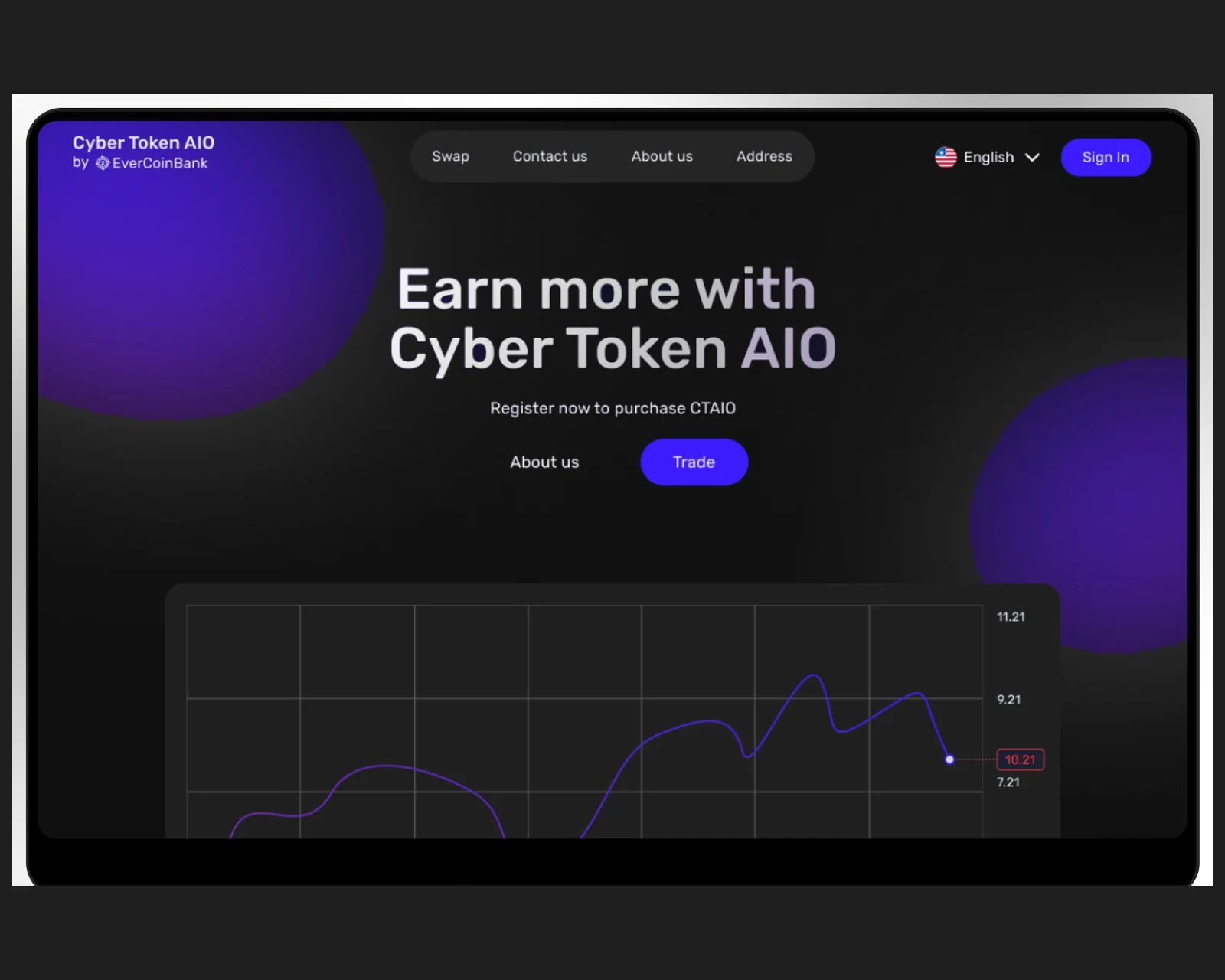
The Cyber Token project team needed to take a brand-new token from zero to live: write and audit the smart contract, get listed on major exchanges, and let users buy directly from the project's own site without forcing them through an intermediary venue. The launch path was unforgiving in three specific ways. Each exchange runs its own 50–70 point listing form, and a single mistake in tokenomics description, contract verification, or liquidity disclosure can cost a listing slot. The audit cycle is non-negotiable — a contract that ships without a defensible security review will be flagged by every wallet's risk feed within hours of deploy. And on-site checkout has to be cryptographically clean: the project site can connect a wallet but cannot hold custody, cannot proxy the transaction, and cannot touch a private key. We wrote the smart contract from scratch in Solidity on Ethereum and ran a layered security audit before deployment, using Slither for static analysis and Mythril for symbolic execution alongside a manual review. To tame the listing process we built a structured data system that organizes the required forms per exchange, removing the manual copy-paste step that usually causes rejections. The launch surface holds up to buyer and venue expectations across the US and EU.
A snapshot of what the Cyber Token build delivered across the smart contract, the audit cycle, and the on-site checkout during its first production cycle.
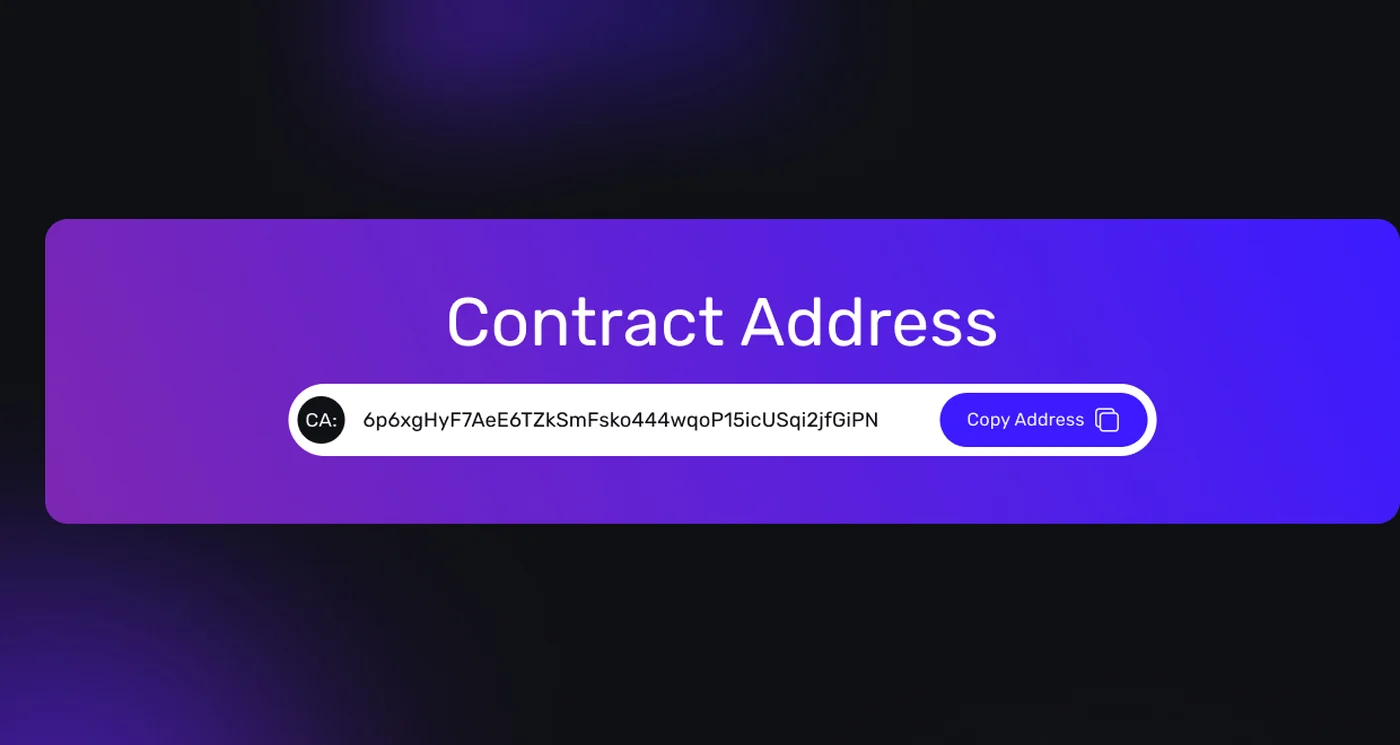
The chain decision dominates every other architectural choice in a token launch. We chose Solidity targeting the ERC-20 standard on Ethereum mainnet over BEP-20 on Binance Smart Chain, Solana SPL, and custom L2 tokens because the trade-offs line up cleanly with a launch that needs exchange listings and broad wallet support from day one. ERC-20 remains the most liquid token standard with the deepest centralized-exchange handling, the widest wallet support — MetaMask, Ledger, hardware-wallet families — and the largest pool of senior auditors who can read a contract on sight. The cost is gas pricing on mainnet, which is the trade-off the project accepted in exchange for venue and audit-surface breadth.
BEP-20 on BSC was eliminated because it inherits a smaller audit ecosystem and a less mature listing-form pipeline at the major venues a launch needs. Solana SPL tokens are technically excellent but the listing flow looks different at the venues the project targeted. Custom L2 tokens add deployment complexity, bridge security risk, and a longer audit cycle that a first launch usually cannot absorb without dragging the timeline past the marketing window. The ERC-20 specification and the OpenZeppelin ERC-20 reference were the anchor patterns the contract was written against.
| Dimension | ERC-20 on Ethereum (Cyber Token) | BEP-20 on BSC | Solana SPL / custom L2 |
|---|---|---|---|
| Exchange listing surface | Deepest — every major venue ships ERC-20 first | Strong but venue-dependent | Solana: strong; L2: emerging |
| Wallet support breadth | MetaMask, Ledger, hardware wallets out of the box | MetaMask via custom RPC; hardware wallets vary | Solana: Phantom; L2: bridge-dependent |
| Audit ecosystem | Mature — Slither, Mythril, OpenZeppelin patterns | EVM-compatible; smaller auditor pool | Solana: Anchor patterns; L2: vendor-specific |
| Deploy cost | Higher mainnet gas — the trade-off accepted | Lower; smaller validator set | Solana: low; L2: low + bridge cost |
| Transfer guard primitives | Pausable + anti-replay nonces standard | EVM-compatible — same patterns | Solana: program-level; L2: varies |
| Listing-form alignment | Most listing forms expect ERC-20 fields by default | EVM fields, but BSC-specific routing | Solana: different schema; L2: bridge data |
| Time-to-launch risk | Lowest — well-trodden path | Low; but cross-listing forks effort | Solana: medium; L2: highest |
Stack references: EIP-20 specification, Slither static analyzer, Mythril symbolic execution.
The contract was written from scratch in Solidity against the OpenZeppelin ERC-20 reference patterns, deployed with Hardhat, and managed with Ethers.js tooling. The layered audit ran three passes. Slither's static analysis caught taint flows, reentrancy, and known anti-patterns. Mythril's symbolic execution walked the contract's state space looking for invariant violations. A senior engineer then read the contract end to end against the OpenZeppelin reference implementations, classifying every finding and producing an audit report before deploy. Findings were severity-rated and remediated; no contract version reached mainnet with an unresolved high-severity item.
Two safety primitives ship with the contract: anti-replay nonces guard against replayed permit-style transactions across forks and historical broadcasts, and a pausable transfer guard gives the project a defensible incident-response posture if a venue or wallet flags an exploit pattern in the broader ecosystem. The pause control is gated by a role-based access mechanism with a documented multi-sig path so a single key compromise cannot unilaterally freeze transfers. The whole contract surface is delivered as part of our custom software development practice with security audit treated as a deliverable rather than a courtesy.
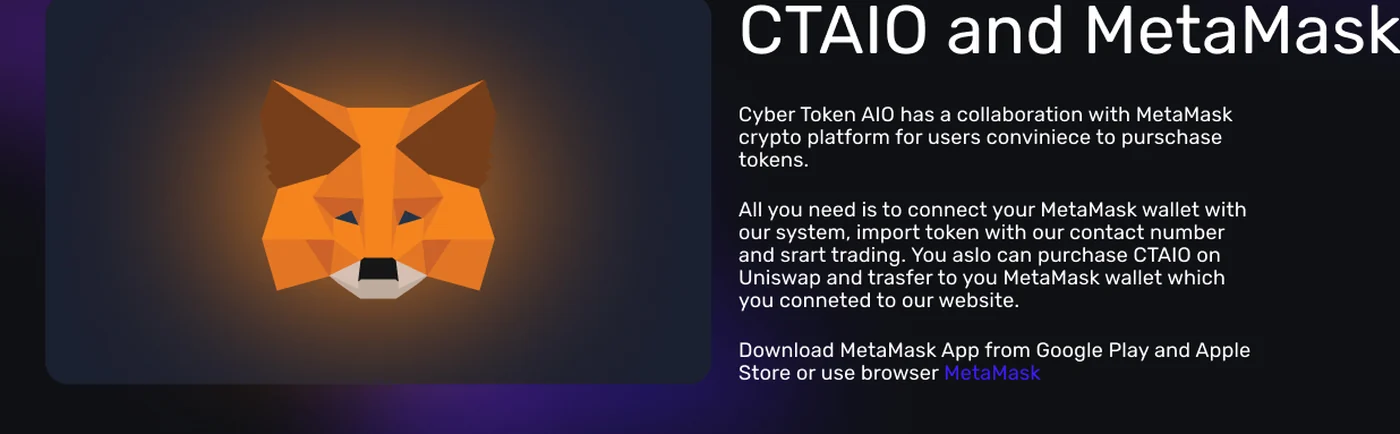
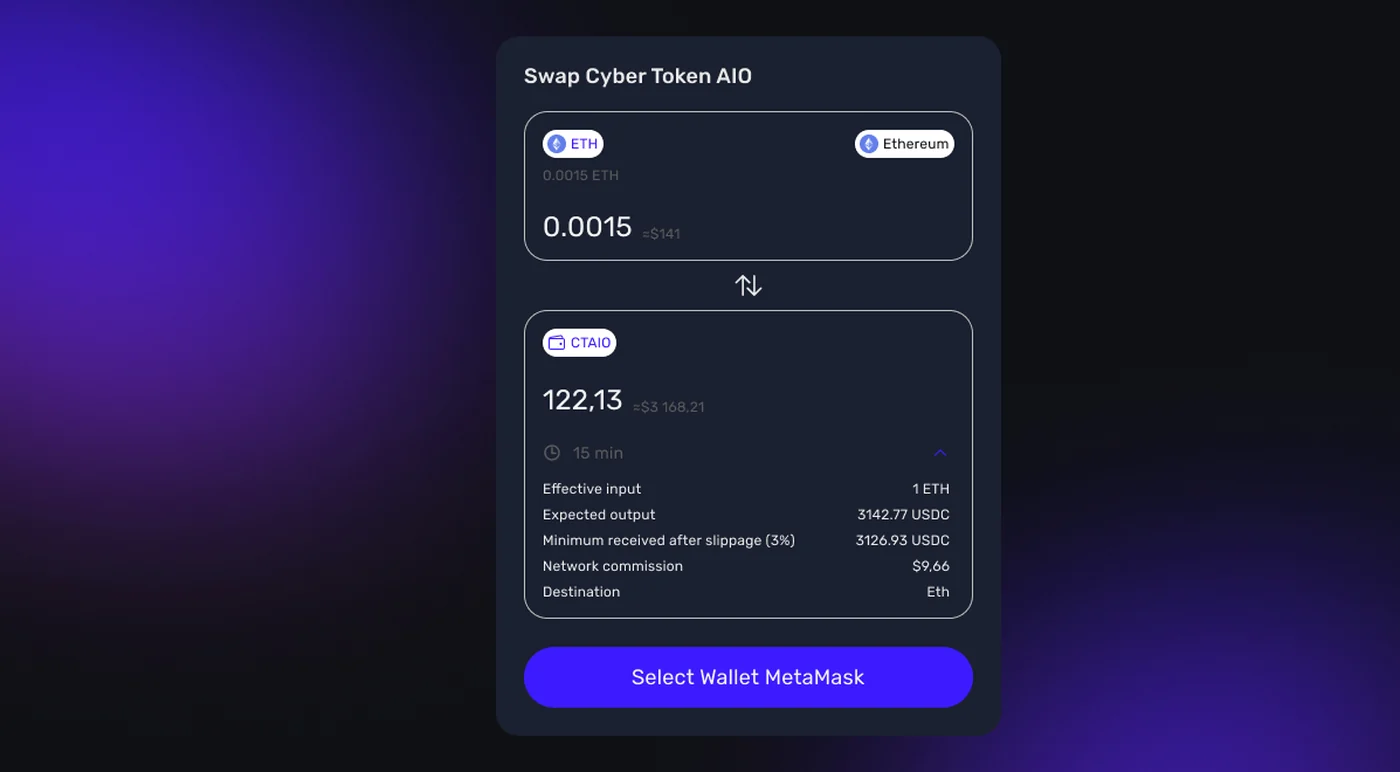
The project site is built on PHP / Laravel with a React front end and integrates a MetaMask wallet checkout so users can buy the token directly from the marketing surface. The connect-wallet button triggers the MetaMask provider, the front end validates the user's chain ID against the deployment target, and the purchase is submitted as a signed transaction the user reviews and approves inside MetaMask itself. The site never touches a private key, never proxies the transaction, and never holds custody — the cryptographic invariant is preserved end to end. On-chain transaction handling is observed via Ethers.js so the site can confirm receipt without holding any signing material.
The exchange-listing data pipeline solves the most tedious operational problem in any token launch: each major venue runs its own 50–70 point listing form, and a single copy-paste error on tokenomics, contract address, or liquidity disclosure can cost a listing slot. We built a structured data system that organizes every listing requirement per exchange — tokenomics, contract verification, audit summary, founding-team disclosure, jurisdictional notes for US and EU buyers — and generates per-exchange submission packets from a single source of truth. The combined surface is delivered alongside our web application development practice.
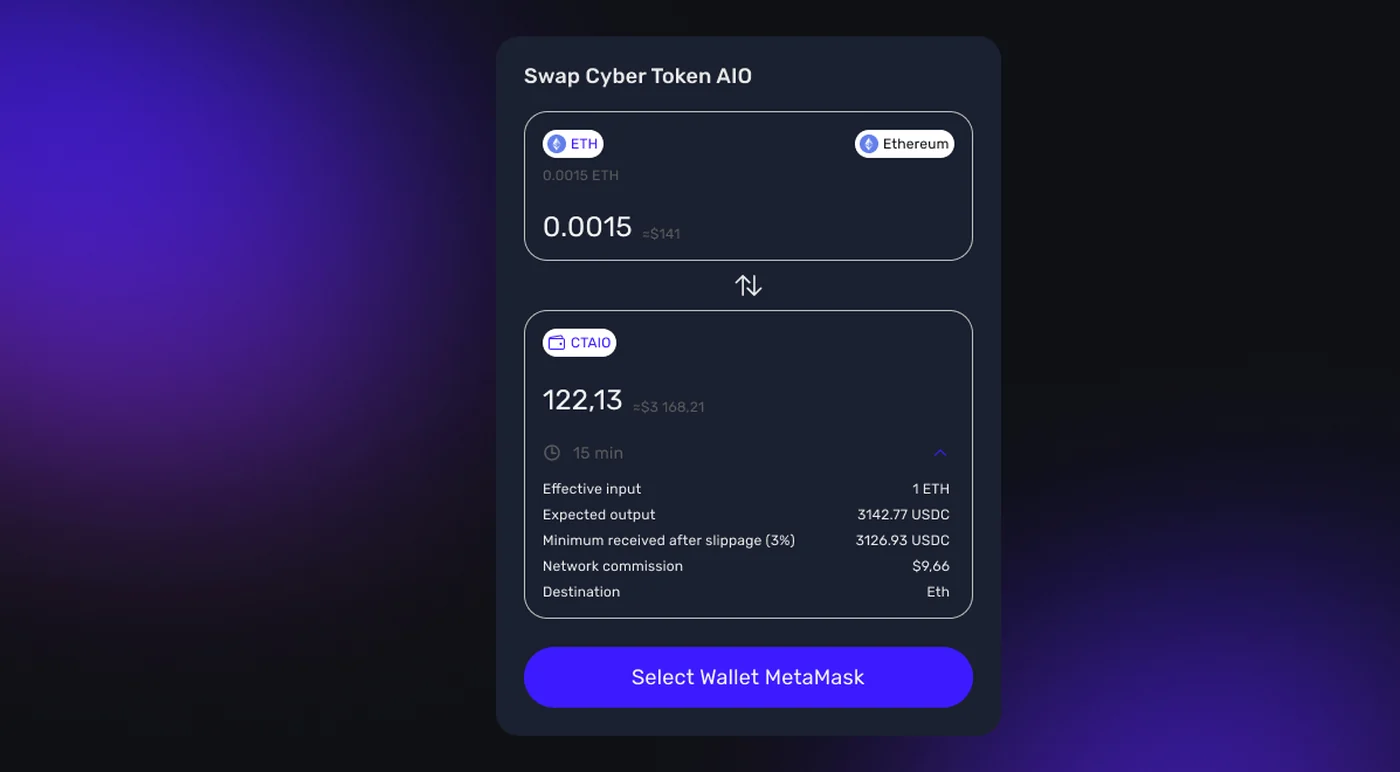
Cyber Token's architecture was built with cryptographic non-custody as the first invariant. The smart contract holds the canonical state on Ethereum mainnet, MetaMask owns the signing path, and the project site holds nothing that could be stolen if the web tier were ever compromised. The Laravel backend stores only the structured data the listing pipeline needs and the operational telemetry the team uses to monitor the contract — transfer volume, paused-state checks, anti-replay nonce sequences — under a Postgres + Redis pair behind a CDN and TLS termination. There is no per-user wallet log, no enrichment broker, and no shadow analytics tracker on the marketing surface.
Region-aware disclosures cover the US and EU regulatory expectations the marketing surface has to satisfy. The posture is built to align with GDPR obligations for users in the European Union and CCPA / CPRA obligations for users in California and the broader United States — and because the on-chain side is governed by the smart contract itself, the off-chain side reduces to honest disclosure of which fields the site collects and where they go. The operational monitoring stack is consistent with the broader cloud & DevOps hygiene we apply to every project.
Compliance posture: GDPR-aligned · ISO 27001 ready · SOC 2 Type II in progress · HIPAA-capable · CCPA-acknowledged.
A five-phase build that took Cyber Token from a tokenomics whitepaper to a live ERC-20 with audit, listings, and on-site checkout.
Tokenomics review, exchange-listing target shortlist, threat model for the contract, custody-free checkout flow, GDPR + CCPA disclosure mapping for US and EU buyers.
Solidity ERC-20 implementation against OpenZeppelin patterns, anti-replay nonces, pausable transfer guard, Hardhat deployment scripts, multi-sig pause governance.
Slither static analysis, Mythril symbolic execution, manual senior-engineer review against the OpenZeppelin reference, severity-rated remediation cycle.
PHP / Laravel + React project site, MetaMask wallet checkout, exchange-listing data pipeline, per-venue submission packet generator, jurisdictional disclosures.
Mainnet deploy, exchange-listing submissions, on-chain transaction monitoring dashboard, paused-state alerts, anti-replay nonce sequence telemetry.
Cyber Token's listing surface was built to outlast a single venue's listing form. The structured data pipeline holds tokenomics, contract verification, audit summary, founding-team disclosure, jurisdictional notes for US and EU buyers, and the technical artifacts each venue expects, all in one source of truth. Submission packets are generated per exchange, which removes the copy-paste step that usually causes the highest rejection rate and lets the team submit to multiple venues in parallel without forking the data. On-chain transaction monitoring runs through the Laravel backend with Ethers.js consumers watching the contract for transfer volume, paused-state events, and anti-replay nonce-sequence anomalies — the operational team gets alerted before a venue's risk feed picks up an issue. The same monitoring layer is the place a future treasury dashboard or staking contract bolts on, because the contract surface and the off-chain operational stack are deliberately decoupled. Future work — additional listings, cross-chain bridges, a treasury dashboard, a staking contract — lands as additive work against the same architecture without forcing a redeploy.
Cyber Token launched with an English-language marketing surface serving buyers in California, New York, Texas, Florida, and Washington in the US, and buyers in the Netherlands, Germany, France, Ireland, and Sweden in the EU, without a separate codebase per region. The MetaMask checkout works identically across regions because the cryptographic primitives — signed transactions, chain-ID validation, no-custody flow — do not care about jurisdiction. What does care about jurisdiction is the disclosure layer. Region-aware disclosures cover the regulatory expectations the marketing surface has to satisfy. Data-handling practices are aligned with GDPR for European users and with the US state-privacy patchwork — CCPA / CPRA (California), VCDPA (Virginia), CPA (Colorado), CTDPA (Connecticut), UCPA (Utah), TDPSA (Texas), and Oregon CPA. Because the on-chain side is governed by the smart contract itself and the off-chain side stores only the structured listing-pipeline data, regional compliance reduces to honest disclosure rather than per-jurisdiction data segregation.
The exchange-listing data pipeline was tested against multiple venue submission flows in parallel, with jurisdictional notes drafted for US and EU markets and the smart-contract verification artifacts published on Etherscan. The privacy policy was drafted to document the off-chain data collection — wallet-address resolution, listing pipeline data, operational telemetry — and to reference GDPR obligations for users in the European Union and California CCPA obligations for users in the United States. The engineering team behind the build sits across CET and runs a CET workday with East-Coast US overlap (9 AM–1 PM ET) for stand-ups, venue-listing choreography, and incident response — the timezone that lets a US project team and an EU engineering team share four hours of live overlap every day.
The active custom software development roadmap for Cyber Token includes cross-chain bridges for additional EVM L2 venues, a staking contract with multi-sig governance, a treasury dashboard for transparent reporting against the audit trail, and additional exchange listings driven by the same structured data pipeline. A US-focused and an EU-focused listing playbook are planned, with the existing jurisdictional disclosure layer already structured to support per-region marketing copy without forking the marketing site.
If you are planning an ERC-20 launch, a token-economy build, or any Web3 product where the smart contract has to survive a defensible audit and the on-site checkout has to stay non-custodial for audiences in the US and EU, we have shipped this stack end-to-end and can compress the build timeline meaningfully. The engineering team behind it sits inside YuSMP Group. We work fixed-price for well-scoped launches and on dedicated development teams for ongoing delivery, with a CET workday and a guaranteed East-Coast US overlap (9 AM–1 PM ET) window for stand-ups, demos, and incident response.
An ERC-20 launch covering a custom Solidity smart contract, a security audit using Slither and Mythril plus manual review, a project site with MetaMask checkout, and the structured data pipeline that feeds 50–70 point exchange-listing forms typically costs $60k–$150k. Adding cross-chain bridges, additional listing forms, staking contracts, and a treasury dashboard brings a full-featured launch to $200k–$420k. The dominant cost drivers are the audit cycle, the exchange-listing data structuring, and the post-deploy operational monitoring.
ERC-20 on Ethereum remains the most liquid token standard with the deepest exchange and wallet support — MetaMask, Ledger, and every major centralized exchange ship ERC-20 handling out of the box. BEP-20 on BSC is cheaper to deploy but inherits a smaller security audit ecosystem and exchange surface. Solana SPL tokens are technically excellent but the listing flow looks different at major venues. Custom L2 tokens add complexity that a first launch usually cannot absorb without dragging the audit timeline.
A defensible audit is layered. Static analysis with Slither catches taint flows, reentrancy, and known anti-patterns. Symbolic execution with Mythril walks the contract's state space looking for invariant violations. Manual review by a senior engineer reads the contract end to end against the OpenZeppelin reference implementations. Findings are categorized, severity-rated, and remediated before deploy. The audit posture is aligned with industry expectations, and we never claim a contract is audited unless a citable report exists.
The project site presents a connect-wallet button that triggers the MetaMask provider, validates the user's chain ID against the deployment target, and submits the purchase as a signed transaction the user reviews inside MetaMask itself. The site never touches a private key, never proxies the transaction, and never holds custody. Anti-replay nonces, a pausable transfer guard, and on-chain transaction monitoring catch malformed flows before they reach mainnet. Region-aware disclosures cover US and EU regulatory expectations.
A focused launch covering a Solidity ERC-20 contract, a security audit using Slither and Mythril plus manual review, a project site with MetaMask checkout, and the first two exchange listings typically takes 10–16 weeks. Adding additional listings, anti-replay nonces, a pausable transfer guard, and an operational dashboard adds 4–8 weeks. The exchange-listing choreography — each venue's 50–70 point form, the marketing assets, the legal disclosures for US and EU jurisdictions — should be budgeted at 4–6 weeks of dedicated work.
Related cases

Unified crypto ecosystem hub aggregating multiple tokens with live exchange data and direct purchase.
View case →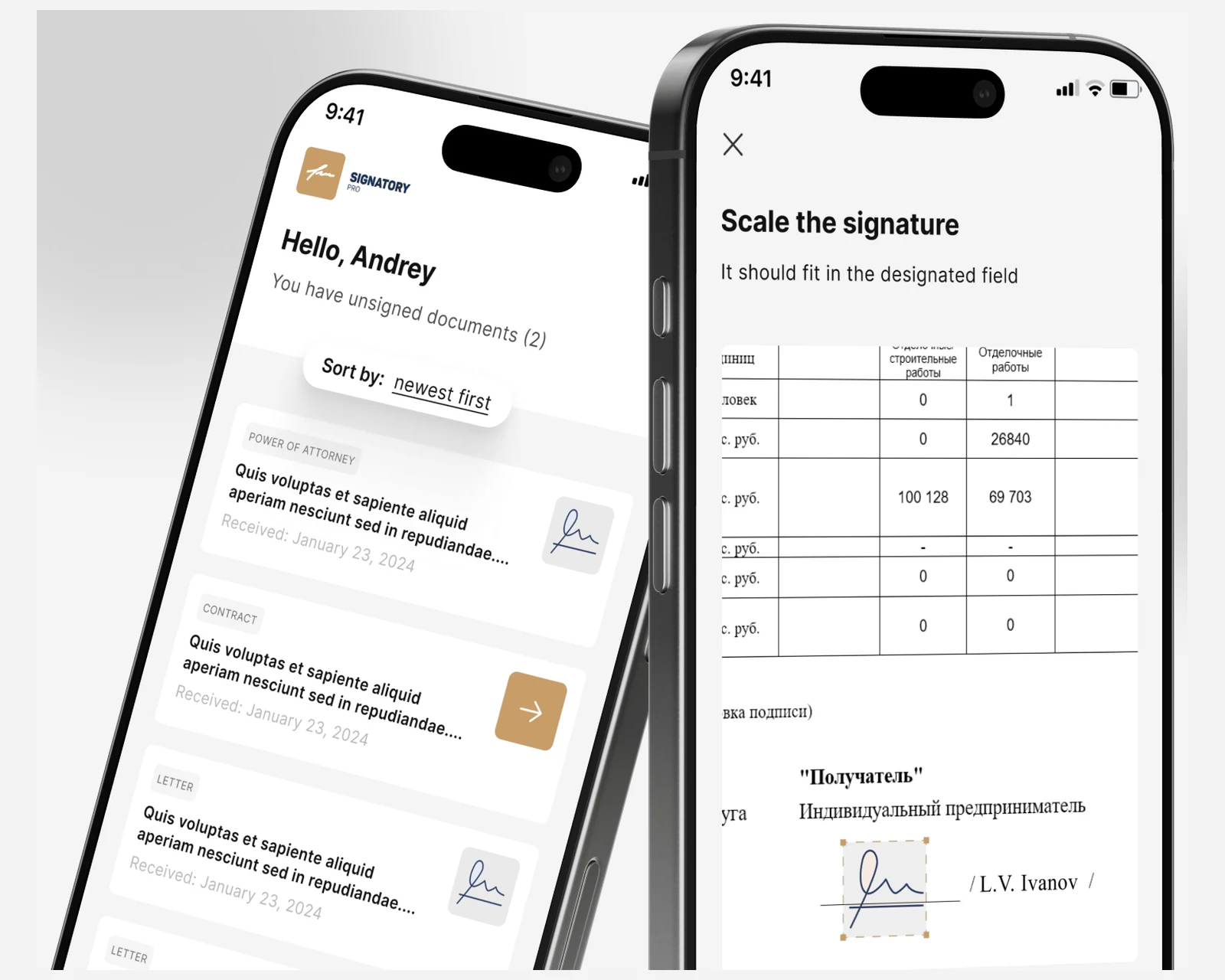
Native iOS and Android e-signature clients with a Symfony + React CRM and defensible evidence trail.
View case →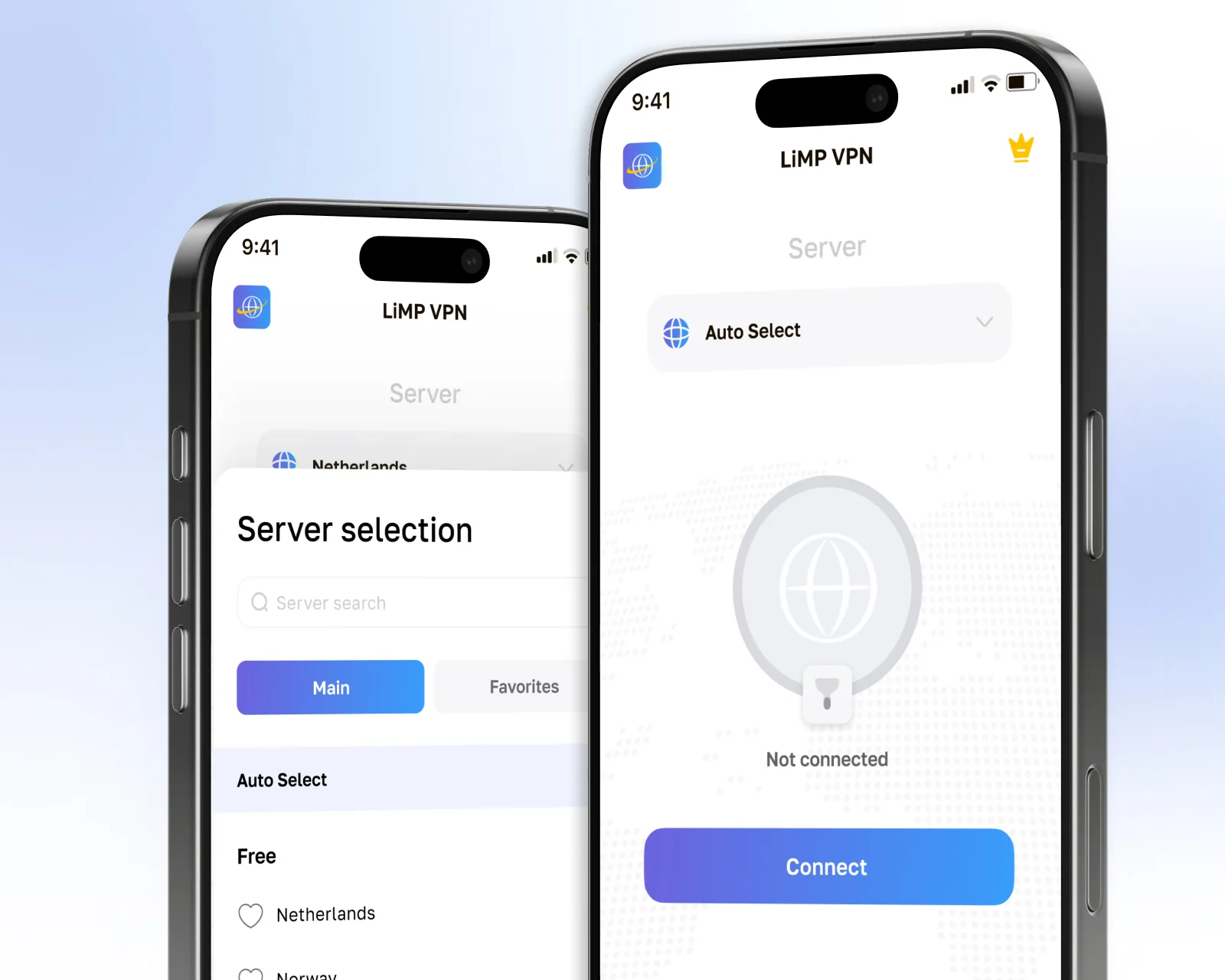
Consumer WireGuard VPN for iOS and Android with no-logs architecture, US and EU launch, GDPR + CCPA.
View case →
Custom platforms engineered to your business model, scaling cleanly from MVP to millions of users.
Learn more →
GenAI, RAG, agents, and production ML wired into your real systems.
Learn more →
Senior engineers embedded into your Jira and standups in two weeks. CET workday with US East Coast overlap.
Learn more →Share a few details and a senior consultant will reply within one business day.