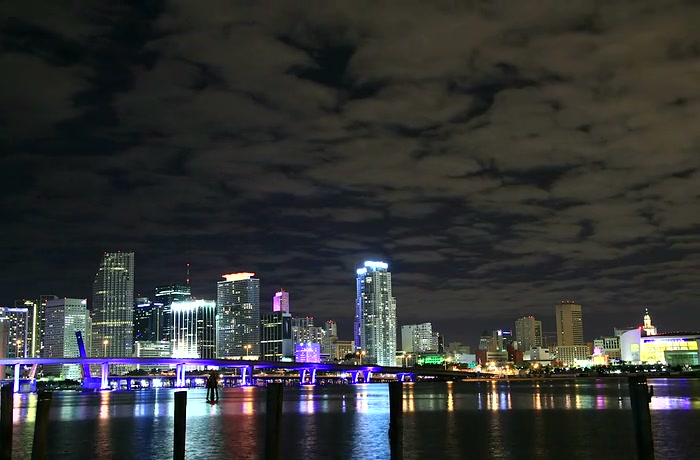
Miami in 2026: the LATAM-Europe-US fintech bridge
Miami's 2026 tech identity finally crystallized after the 2021–2023 hype cycle filtered out the tourists. What remained is concentrated and real: a fintech-and-crypto-heavy ecosystem in Brickell, a venture base that survived the 2024 reset (Founders Fund Miami office, OpenSea relocation residue, Andreessen Horowitz crypto presence, Coatue, Thrive, Lux), and an unmatched LATAM bridge. Roughly 70 percent of Miami fintech startups serve a multi-jurisdictional consumer or SMB base spanning the US, Mexico, Brazil, Colombia, Argentina, Chile, and Puerto Rico. The 2024 spot Bitcoin ETF approval and the 2025 stablecoin regulatory clarity (GENIUS Act passage) pulled a second wave of crypto founders to Miami specifically because of the favorable Florida regulatory posture, no state income tax, and direct flights to LATAM hubs.
The market is also small enough that senior engineering talent gets recycled fast. Coinbase, Robinhood Crypto, Bitso, MercadoLibre, Belvo, Nuvei, dLocal, Fiserv (Coral Gables), and the surviving 2021 cohort (Mercury, Pipe, Bolt diaspora) all pull from the same 3,000-engineer Brickell pool. Fully loaded senior engineer cost in 2026 is $180–$280/hr — lower than Bay Area but high relative to historical Miami baselines and rising. Add the structural shortage of engineers who actually speak production-grade Spanish or Portuguese, and the gap between what you can hire and what you need widens fast. EU nearshore solves both the cost equation and the LATAM-fluent talent gap simultaneously: 65–95 EUR/hr senior engineers, half of whom speak Spanish or Portuguese, who have already shipped PIX, SPEI, CoDi, and Open Banking Brazil into production.