Firestore security rules edge cases
Misconfigured security rules expose data to unauthenticated users. We define rules as code, review with the Firebase Emulator and run integration tests against the rules before deployment.

Firestore Auth Cloud Functions FCM
Realtime data sync, push notifications, anonymous-to-authenticated user flows and server-side logic — without managing infrastructure. Firestore for structured realtime data, Cloud Functions for backend logic, FCM for targeted push, Crashlytics for crash monitoring. GDPR data-residency configuration for EU apps included.

We build Firebase-powered backends for mobile apps in social, health, logistics and consumer sectors — Firestore's realtime listeners eliminate polling and reduce server costs, Firebase Auth handles the full identity lifecycle from anonymous sessions to verified accounts, and Cloud Functions run server-side business logic without provisioning or scaling infrastructure. For EU clients, we configure Firebase to store data in EU regions and implement the required GDPR data subject rights flows.
Challenges
Misconfigured security rules expose data to unauthenticated users. We define rules as code, review with the Firebase Emulator and run integration tests against the rules before deployment.
Firebase multi-region does not guarantee EU-only storage without explicit project configuration. We select EU regions for Firestore and Cloud Functions and document the data residency in your privacy policy.
N+1 reads in listeners and unindexed collection-group queries drive unexpected billing. We design document schemas to colocate related data and set up composite indexes before going to production.
Doze mode and OEM battery optimisations suppress push on many Android devices. We implement direct-channel messaging, handle token refresh and instruct users on battery exemption where critical alerts are required.
Cold-start adds 800–2000 ms to the first request. We use minimum-instance configuration for latency-sensitive endpoints and design the client to tolerate startup delays for background tasks.
Firestore offline persistence can produce conflicts when the same document is modified offline on multiple devices. We design optimistic concurrency with server-side transaction validation.
Solutions
Firestore listeners for live feeds, encrypted messaging, presence indicators and activity notifications — JoyJet-grade at scale.
Email, phone, Google, Apple and anonymous sign-in; custom claims for role-based access; account linking flows.
Cloud Functions triggered by Firestore writes, Auth events, FCM and HTTP — business logic without managing servers.
FCM targeted notifications by topic, user segment and device; Remote Config for A/B testing UI and feature flags without app updates.
Crashlytics for symbolised stack traces and release health; Performance Monitoring for network and UI frame data.
EU region configuration, GDPR data subject rights API and Firebase data export for deletion requests.
Stack
Firebase, Firestore, Firebase Auth, Cloud Functions (Node.js), FCM, Remote Config, Crashlytics, Firebase Hosting, Firebase Emulator Suite, Swift, Kotlin, React Native.
Compliance
GDPR-aligned · EU data residency · HIPAA-capable (with BAA) · CCPA-acknowledged
Cases
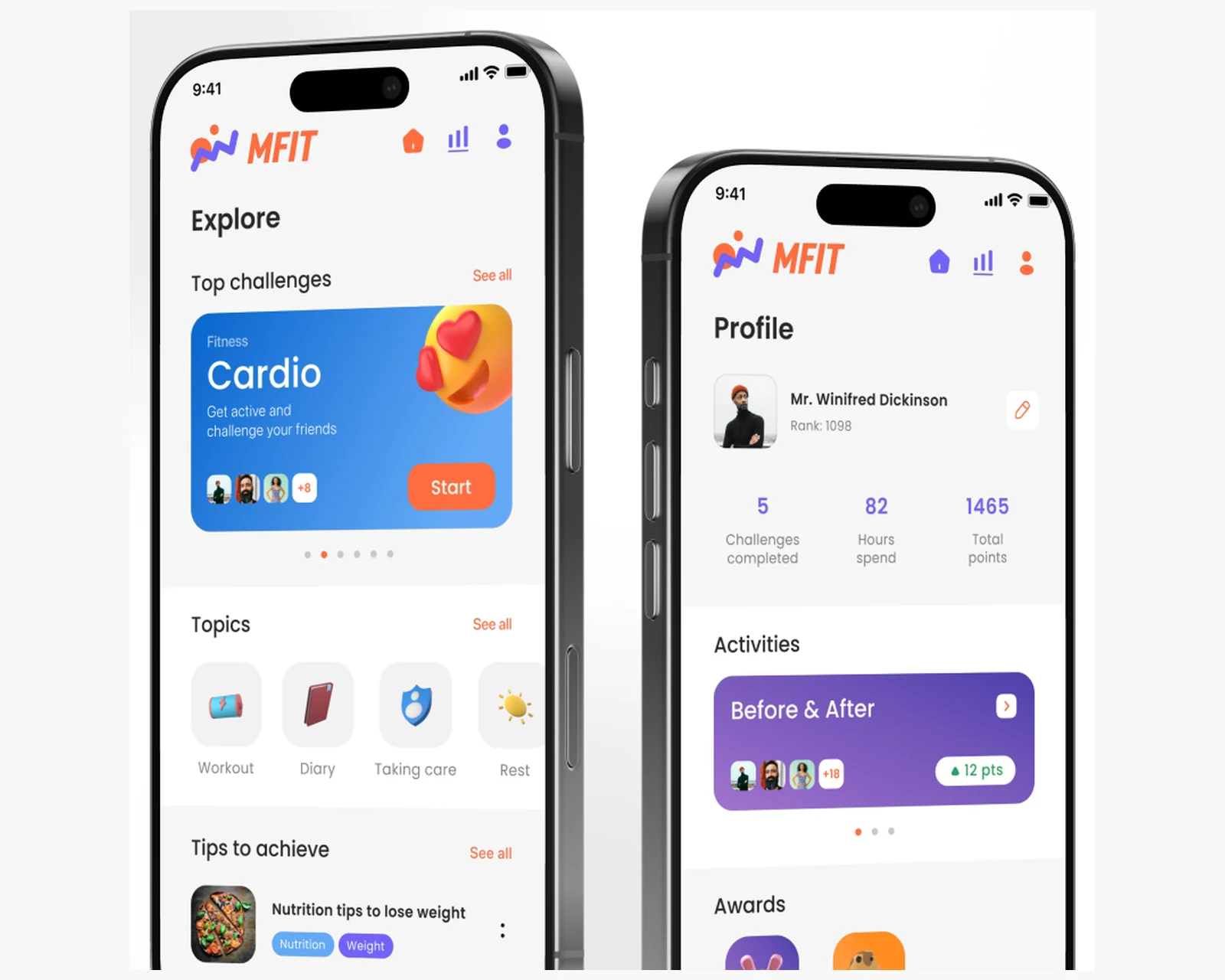
Native iOS & Android fitness-marathon and challenge app — programs, stats, and leaderboards on a Laravel backend, for the US & EU.
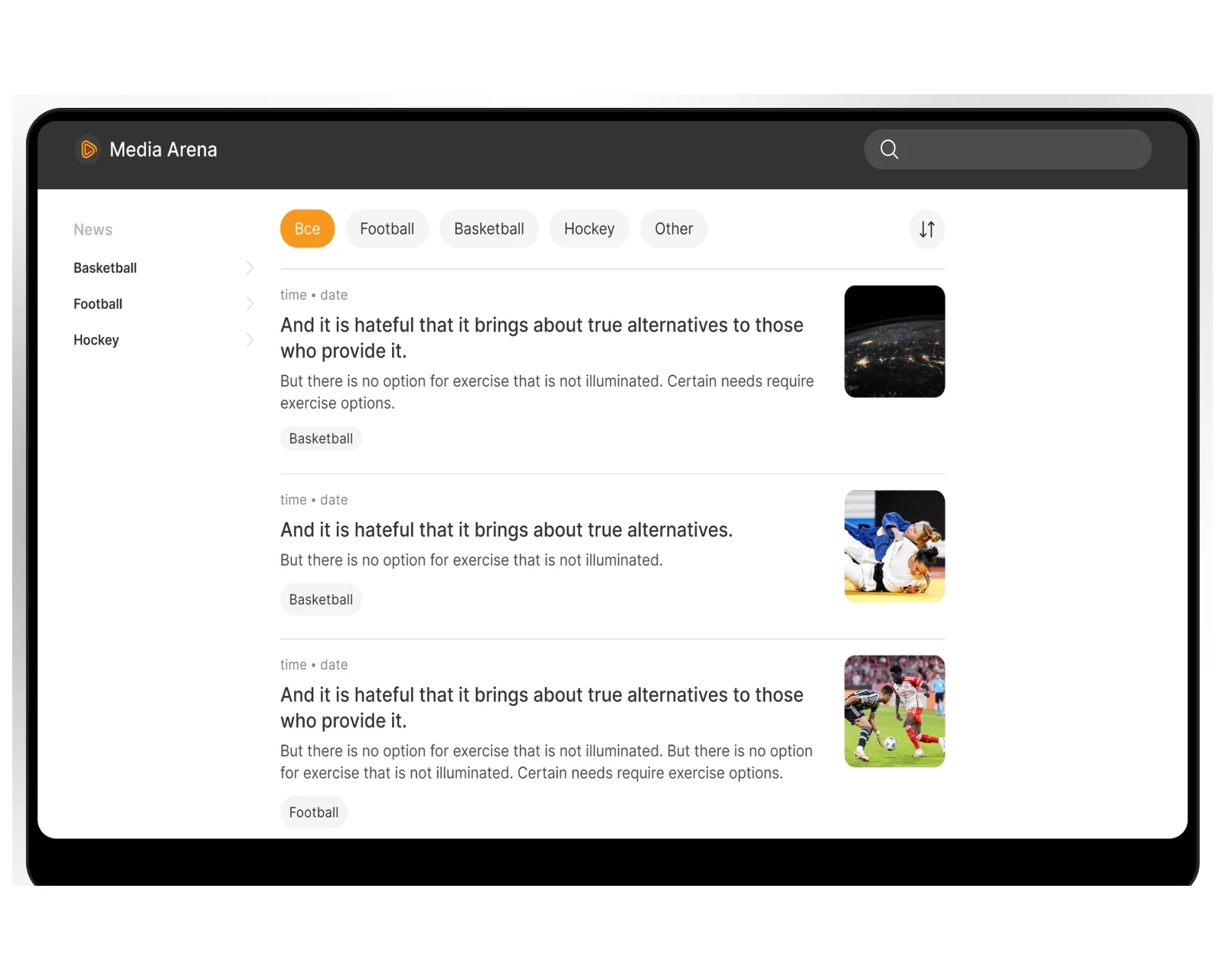
Cross-platform sports news app and web portal — Telegram-bot CMS instead of a custom admin, Markdown publishing pipeline.
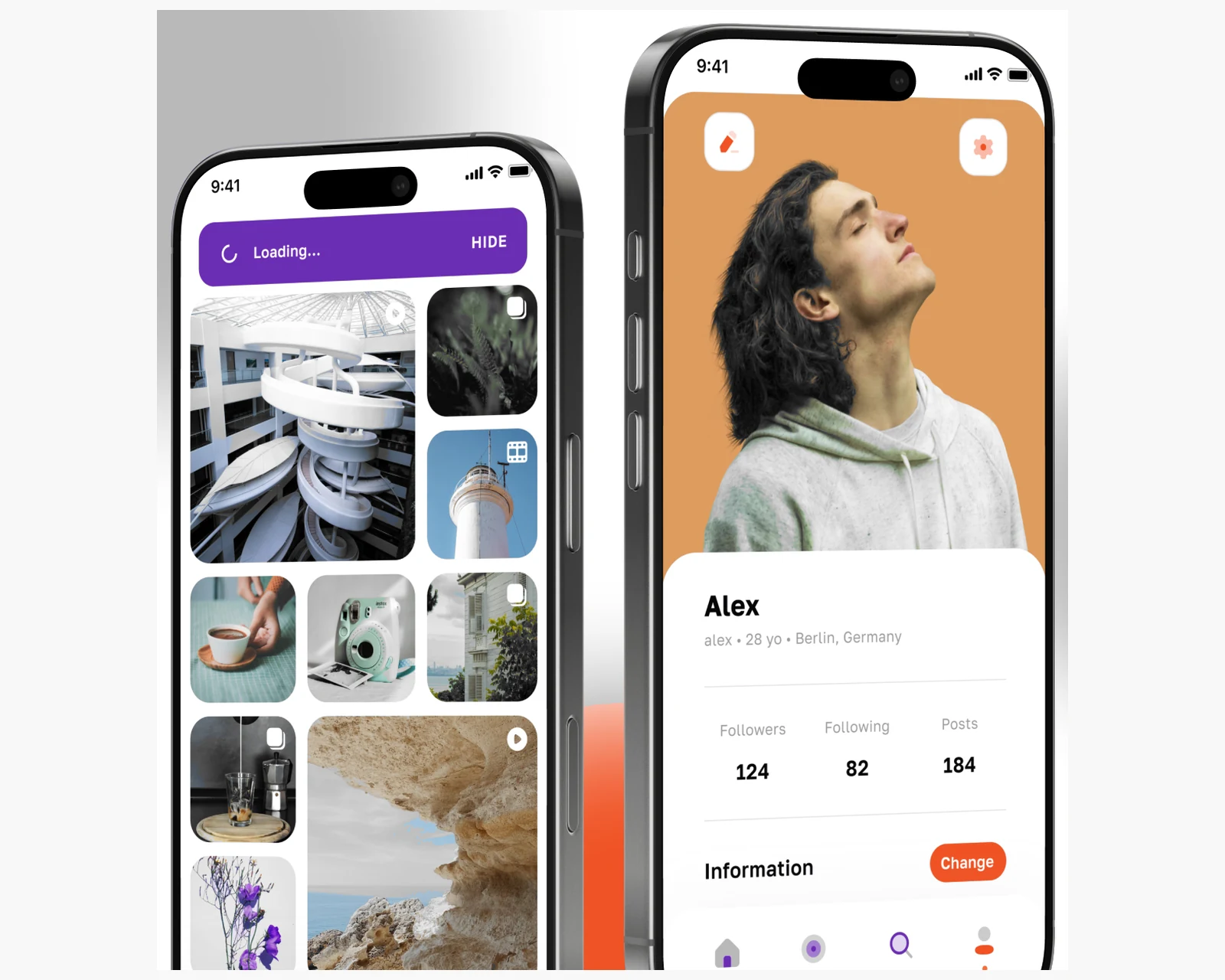
Production social platform — App Store + Google Play, live across the US and EU — with geo Radar, encrypted messaging and a virtual economy.
Why YuSMP
We have built Firestore schemas for social platforms with millions of daily active documents — designed for cost and latency, not just correctness.
EU data residency, security rules review and data subject rights flows are standard deliverables on every Firebase engagement — not add-ons.
Security rules, Cloud Functions, iOS/Android SDK integration and FCM pipelines are owned by one team — no coordination gaps.
FAQ
Firebase is ideal for apps that need realtime data sync, rapid backend iteration and a serverless cost model — social apps, consumer tools, MVPs and apps where you want to avoid infrastructure management. For complex relational data, heavy server-side computation or strict data locality requirements, we evaluate Firebase alongside PostgreSQL-based alternatives.
We select EU regions for Firestore and Cloud Functions, implement data subject rights endpoints (access, deletion, export) in Cloud Functions, configure Firebase Data Connect for structured deletion, and document all data flows in your privacy policy.
Security rules are defined as code, reviewed in pull requests, tested against the Firebase Emulator with a full suite of allow/deny scenarios, and deployed via CI — not from the Firebase Console.
Document schema design to colocate related data, composite indexes before they are needed, Firestore queries with proper where/limit clauses, and client-side caching — we review read patterns in architecture before writing a line of code.
Yes — Firestore scales horizontally without configuration. Bottlenecks appear at the application layer (N+1 reads, hotspot documents). We design schemas and listener architectures to avoid those patterns from the start.
Yes. We integrate Firebase SDK on both platforms with a shared Cloud Functions backend and platform-specific FCM token handling, offline persistence configuration and crash-reporting setup.
Token refresh handling, high-priority message type for critical alerts, direct-channel messaging for Android 8+, and documentation for users on how to exempt your app from battery optimisation when required.
Response within 1 business day. NDA on request.
Share a few details and a senior consultant will reply within one business day.