Protobuf schema backward compatibility
Renaming or reusing Protobuf field numbers breaks binary compatibility silently. We enforce buf lint and buf breaking in CI — schema changes that break existing clients fail the build.

gRPC Protobuf Streaming Microservices
gRPC's binary Protobuf encoding, HTTP/2 multiplexing and auto-generated polyglot clients make it the standard for inter-service communication in performance-critical microservice architectures. We design Protobuf schemas, implement gRPC services in Go, Java and Node.js, configure bidirectional streaming and integrate with service meshes for US and EU clients.

gRPC's binary Protobuf encoding, HTTP/2 multiplexing and auto-generated polyglot clients make it the standard for inter-service communication in performance-critical microservice architectures. We design Protobuf schemas, implement gRPC services in Go, Java and Node.js, configure bidirectional streaming and integrate with service meshes for US and EU clients.
Challenges
Renaming or reusing Protobuf field numbers breaks binary compatibility silently. We enforce buf lint and buf breaking in CI — schema changes that break existing clients fail the build.
gRPC requires HTTP/2 trailers which browsers cannot access directly. We deploy grpc-gateway or Envoy's gRPC-Web transcoding as a proxy layer for browser clients.
Expired service certificates cause gRPC handshake failures that are hard to diagnose. We use cert-manager (Kubernetes) for automated certificate rotation and monitor certificate expiry via Prometheus.
Fast gRPC producers can overwhelm slow consumers in server-streaming or bidirectional-streaming RPCs. We implement flow control via gRPC's built-in backpressure mechanism and bound stream buffers explicitly.
HTTP/2 long-lived connections bypass L4 load balancers — all traffic sticks to one server. We use client-side load balancing with gRPC's built-in resolver or service-mesh L7 load balancing via Istio/Envoy.
Polyglot teams generating clients from the same .proto file can diverge if proto files are not centrally managed. We use a buf schema registry (BSR) as the single source of truth and generate clients in CI for all target languages.
Solutions
Domain-driven .proto schema design with buf CLI — lint, breaking-change detection and BSR publication in CI for all consuming teams.
Production gRPC services in Go, Java or Node.js — unary, server-streaming, client-streaming and bidirectional-streaming RPCs with interceptor chains for auth, logging and tracing.
gRPC-Gateway transcoding layer that exposes the gRPC schema as a REST+JSON API — compatible with OpenAPI generation for browser and partner clients.
Istio or Linkerd configuration for gRPC load balancing, mTLS, circuit breaking, retry policies and distributed tracing — co-designed with application-level interceptors.
Prometheus metrics per RPC method (latency histogram, error rate), distributed tracing via OpenTelemetry, grpcurl-based smoke tests and Testcontainers integration tests.
Incremental migration: REST and gRPC coexist via grpc-gateway; consumers migrate to gRPC clients at their own pace; REST layer is retired once adoption is complete.
Stack
gRPC, Protocol Buffers 3, Go (grpc-go), Java (grpc-java), Node.js (grpc-js), buf CLI, Envoy, Istio, mTLS, GitHub Actions, grpc-gateway, Prometheus, Sentry.
Compliance
GDPR-aligned · mTLS encryption · schema registry · SOC 2 audit interceptor
Cases
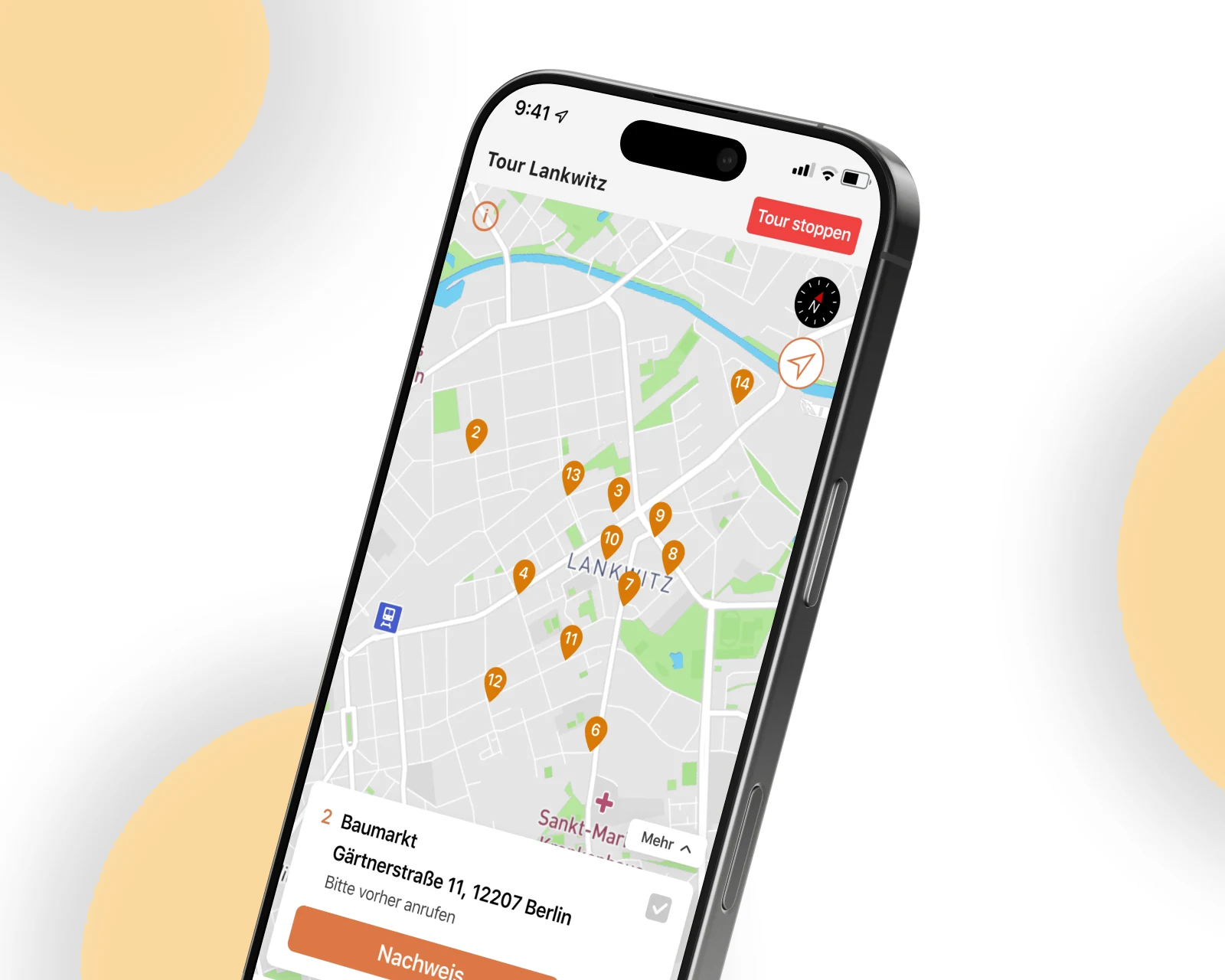
Android + iOS refactor and rebuild for a German last-mile logistics operator — multi-point route planning, real-time driver tracking and in-app invoicing live in the EU.
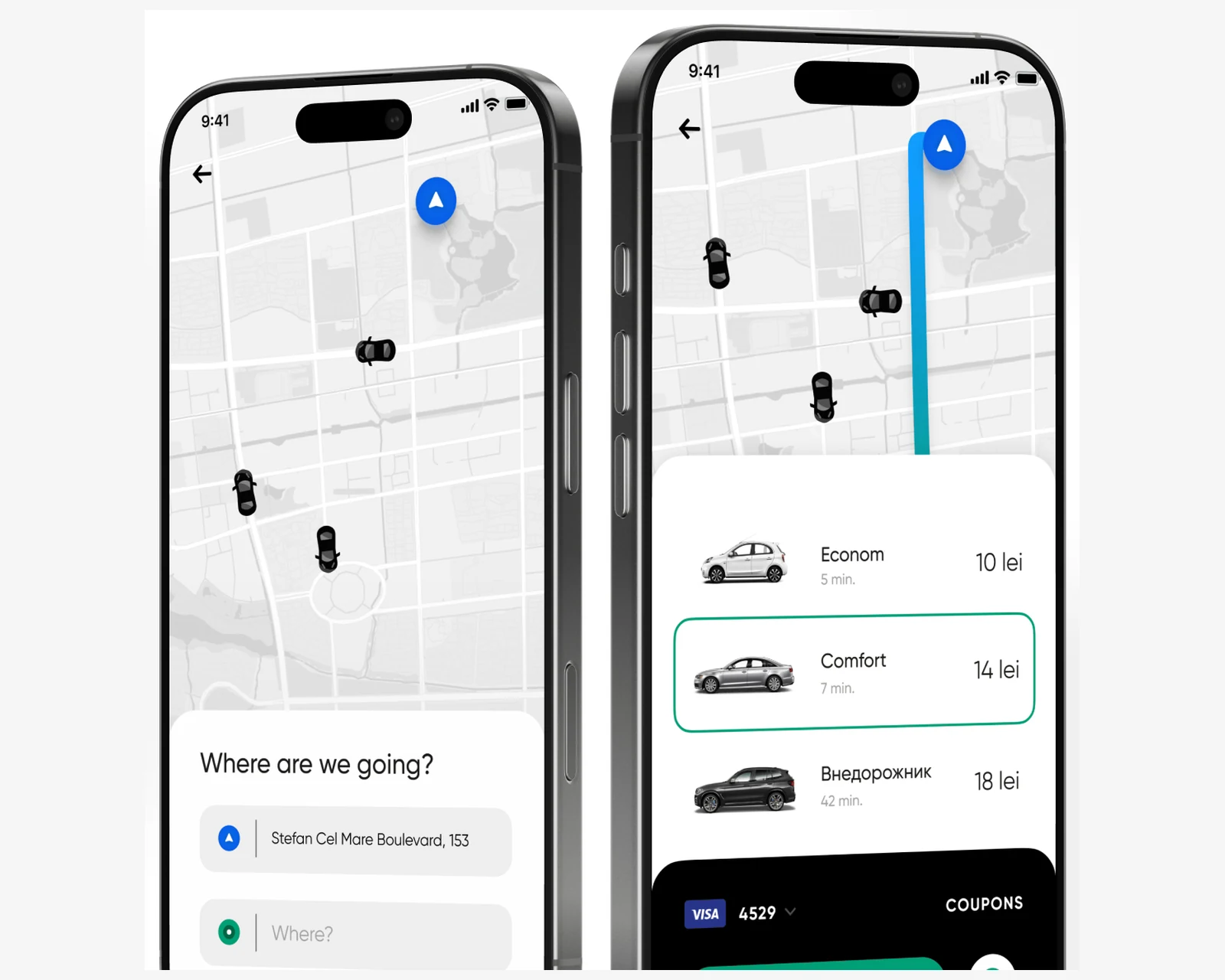
Three-app ride-hailing platform — driver, passenger, dispatcher — with real-time GPS, document verification, dual cash/card payments.
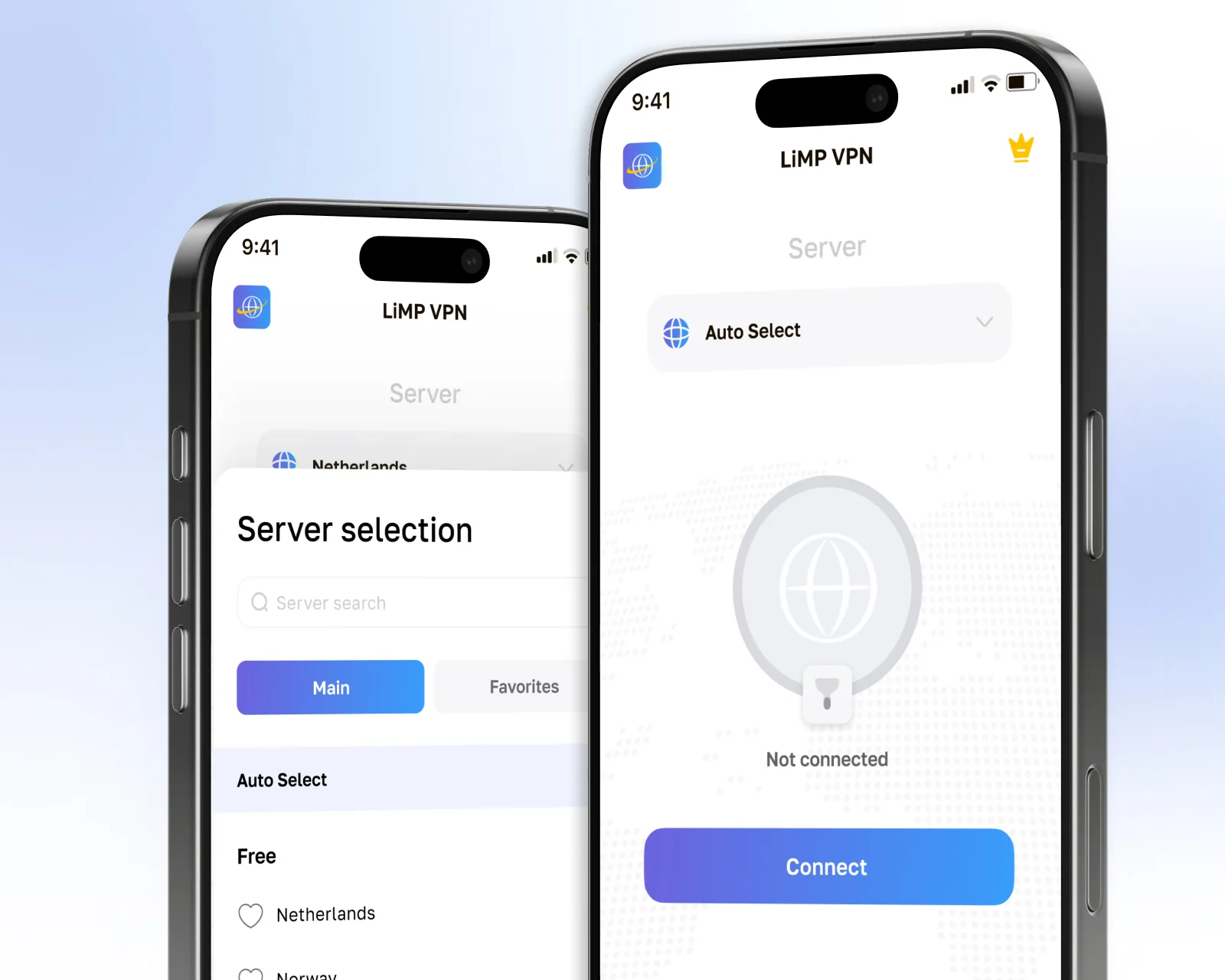
Consumer WireGuard VPN app for iOS and Android with zero-log architecture, launched across the US and EU.
Why YuSMP
Every .proto change is validated by buf breaking before merge — no silent binary incompatibility reaches production.
Every gRPC channel is mTLS with cert-manager-issued certificates — service identity is cryptographic, not network-perimeter-based.
We generate Go, Java, Python and TypeScript clients from the same .proto in CI — consumers always have the current generated code without manual proto file sharing.
FAQ
gRPC is the better choice for inter-service communication where performance matters — binary Protobuf encoding is 3–10× smaller than JSON, and HTTP/2 multiplexing eliminates head-of-line blocking. Use gRPC when: services communicate at high frequency (>1000 RPS per pair); you need bidirectional streaming; you want auto-generated polyglot clients; or you're in a polyglot microservice environment. Use REST when: the API is consumed by browsers directly; caching is important (HTTP REST caches at the CDN level); or simplicity outweighs performance.
Protobuf is a binary, schema-first serialisation format. It's 3–10× smaller than equivalent JSON and 5–10× faster to parse. Unlike JSON, Protobuf requires a .proto schema to serialise and deserialise — this is a feature, not a limitation: the schema is the contract, enforced at the type level in generated code. JSON is human-readable and schema-optional; Protobuf is machine-optimised and schema-mandatory.
Browsers cannot use native gRPC (HTTP/2 trailers are inaccessible to JavaScript). We use one of two approaches: gRPC-Web (a browser-compatible subset of gRPC, with Envoy transcoding on the server) or grpc-gateway (a reverse proxy that translates REST+JSON calls to gRPC). gRPC-Web preserves streaming support; grpc-gateway is simpler to integrate with existing OpenAPI tooling. The choice depends on whether browser clients need streaming.
HTTP/2 long-lived connections bypass kube-proxy L4 load balancing — all traffic goes to one pod. We use one of: Istio (L7 gRPC load balancing via Envoy sidecar), Linkerd (transparent L7 proxy), or client-side load balancing with grpc-go's built-in DNS resolver and round-robin policy. For services without a service mesh, we configure headless Services in Kubernetes so the gRPC client resolves all pod IPs and load-balances itself.
We run buf breaking in CI against the last published schema version. Breaking changes include: removing or renaming fields, reusing field numbers, changing field types, removing enum values. Additive changes are safe: adding new fields, new message types, new RPC methods. We follow the Protobuf style guide and reserve field numbers for removed fields with reserved statements to prevent future accidental reuse.
Unit tests mock the gRPC service interface generated by protoc. Integration tests use Testcontainers (or in-process server) with real gRPC clients — grpcurl for ad-hoc testing, custom test clients for automated suites. We test all four streaming modes (unary, server-streaming, client-streaming, bidirectional) and error scenarios (status codes, deadline exceeded, cancelled). Contract tests validate that the server implementation matches the .proto definition.
Yes — cross-language interoperability is one of gRPC's key features. protoc (or buf generate) generates client and server stubs for Go, Java, Python, TypeScript, Ruby, C#, PHP and more from the same .proto file. As long as all implementations use the same .proto version, a Go client can call a Java server seamlessly. We manage .proto files in a central repository and publish generated clients to per-language package registries via CI.
Response within 1 business day. NDA on request.
Share a few details and a senior consultant will reply within one business day.