Memory eviction surprises
Maxmemory-policy evicts hot keys silently. We profile with MEMORY USAGE, set LRU policies per key type and monitor eviction rate.

Redis 7 Valkey BullMQ SOC 2-ready
Redis underpins caching, queuing and real-time features across forty-five of our production systems — JoyJet's real-time social feeds, xRouten's live driver tracking sessions, Loan Conveyor's idempotency key store. Sub-millisecond latency, BullMQ queue processors, Sentinel HA and TLS-secured — all standard in our Redis deployments.

We deploy Redis for session and token caching, BullMQ job queues, rate limiting, pub/sub notification fans, Streams-based event sourcing, and idempotency key stores. Redis Sentinel for HA, Redis Cluster for horizontal scale, ElastiCache for managed AWS deployments. Every production Redis gets ACL-scoped access, TLS, monitoring and a DR plan.
Challenges
Maxmemory-policy evicts hot keys silently. We profile with MEMORY USAGE, set LRU policies per key type and monitor eviction rate.
Stalled jobs block queues silently if worker processes die mid-execution. We implement job keepalive pings and stalled-job cleanup intervals.
FLUSHDB in the wrong environment destroys production data. We disable FLUSHALL/FLUSHDB via rename-command in production ACLs.
Single-key thundering herds saturate a single CPU core. We implement local in-process L1 caches in front of Redis for ultra-hot keys.
RDB snapshot replication blocks replicas for seconds on large datasets. We tune save points, use AOF for durability and monitor replication offset lag.
Unprocessed messages accumulate when consumers fall behind. We monitor pending entries per consumer group and alert on lag exceeding SLA thresholds.
Solutions
Multi-layer caching with TTL strategies per entity type, cache invalidation on write and circuit breakers for cache stampede protection.
BullMQ priority queues, dead-letter handling, retry strategies and Grafana dashboards for queue depth and failure rates.
Sliding-window Lua scripts for precise distributed rate limiting shared across all service instances.
Encrypted session data with short TTLs, token blacklists for logout and refresh token rotation.
Redis Pub/Sub for lightweight fan-out and Redis Streams for ordered, persistent event sourcing within a service boundary.
Sentinel or Cluster with AOF persistence, automated failover testing and documented RTO/RPO.
Stack
Redis 7, Valkey 8, Redis Cluster, Redis Sentinel, BullMQ, ioredis, node-redis, AWS ElastiCache, Azure Cache, ACL, TLS, RedisInsight, Prometheus redis-exporter.
Compliance
GDPR-aligned · SOC 2-capable · HIPAA-capable · PCI DSS-aware
Shared: ACL command restrictions, TLS in transit, SBOM for client libraries.
Cases

Production social platform — App Store + Google Play, live across the US and EU — with geo Radar, encrypted messaging and a virtual economy.
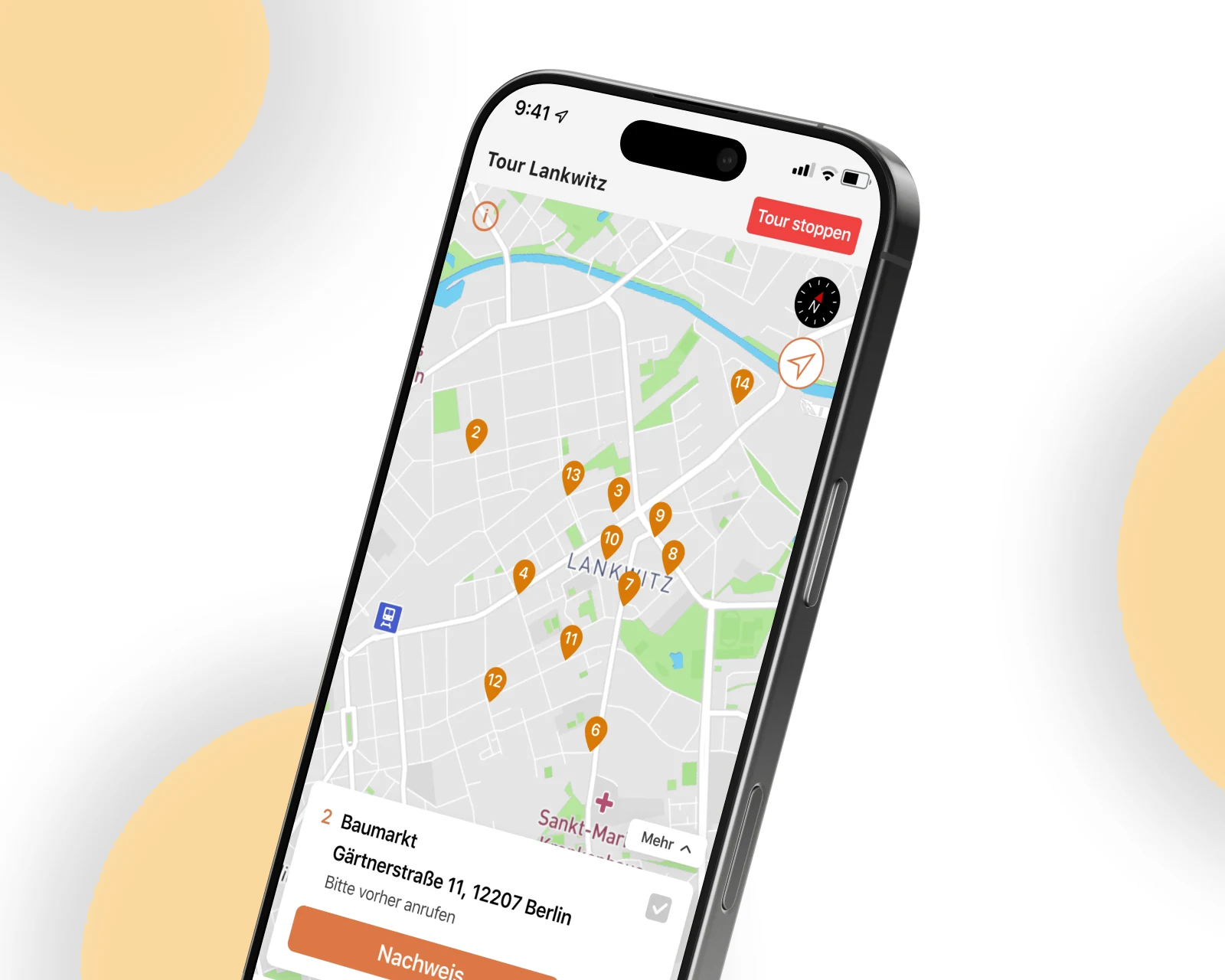
Android + iOS refactor and rebuild for a German last-mile logistics operator — multi-point route planning, real-time driver tracking and in-app invoicing live in the EU.
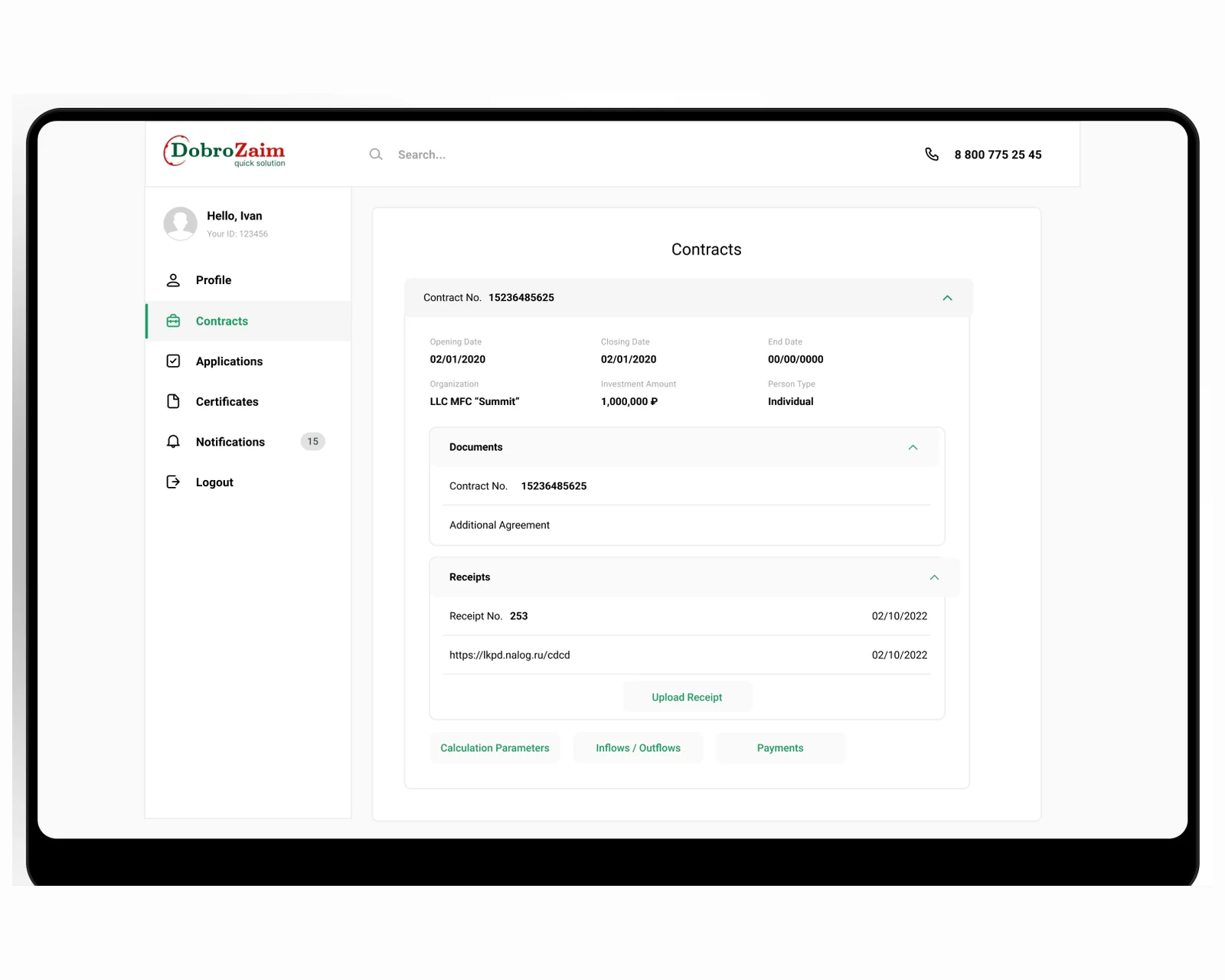
A high-throughput loan decision engine on Laravel — automated scoring, credit-bureau integration, and 10x faster decisions for US & EU lenders.
Why YuSMP
FLUSHALL and FLUSHDB disabled via ACL rename-command on every production Redis instance. We learned this the hard way.
Queue depth, failed job count and consumer lag wired into Grafana from day one — not after the first queue backlog incident.
We have migrated Redis to Valkey on self-hosted deployments — protocol-identical, zero application code changes, SSPL licensing resolved.
FAQ
Sentinel for simpler primary-replica setups with automatic failover — right for single-shard workloads under ~25GB. Redis Cluster for horizontal sharding across multiple primaries when data exceeds single-node memory or when hash-slot-based write throughput is the constraint. We design for Sentinel first and add Cluster when data growth or write concurrency demands it.
Valkey is the Linux Foundation fork of Redis with identical protocol and API — a drop-in replacement. We recommend Valkey for new self-hosted deployments to avoid Redis's SSPL licensing uncertainty. AWS ElastiCache and Azure Cache have their own managed options; we evaluate licensing per infrastructure context.
Sliding-window rate limiting with ZADD + ZREMRANGEBYSCORE in a Lua script for atomic precision. Fixed-window with INCR + TTL for simpler cases. For distributed rate limiting across multiple service instances, Redis is the central atomic counter — we implement it as a shared middleware layer, not per-service.
ACL lists for per-user command permissions, TLS encryption in transit, bind to private network interfaces only, AUTH password from Vault or Secrets Manager, and disable dangerous commands (FLUSHALL, DEBUG) via rename-command in production configuration.
Redis Streams for lightweight event sourcing, audit logs and inter-service messaging within a single data centre where Kafka's operational overhead is not justified. Kafka for high-throughput multi-consumer pipelines, cross-region replication and long-term message retention. Redis Streams top out at single-shard write throughput; Kafka scales horizontally without limit.
BullMQ requires Redis 5+ with stream support. We configure maxRetriesPerJob, backoff strategies, dead-letter queues (failed job retention), and separate queues per priority tier. Redis Keyspace Notifications trigger stalled-job detection. We monitor queue depth and failed job count in Grafana.
Response within 1 business day. NDA on request.
Share a few details and a senior consultant will reply within one business day.