Row-Level Security policy gaps
Missing RLS policies expose multi-tenant data across user boundaries. We treat RLS as a first-class architecture concern, write policies in code, and test them with dedicated test suites.

Postgres RLS Realtime Edge Functions
A production-grade Postgres backend with Auth, Realtime subscriptions, Edge Functions and S3-compatible Storage — open-source and self-hostable. Row-Level Security keeps multi-tenant data isolated at the database layer. EU data residency for GDPR-compliant apps without compromise.
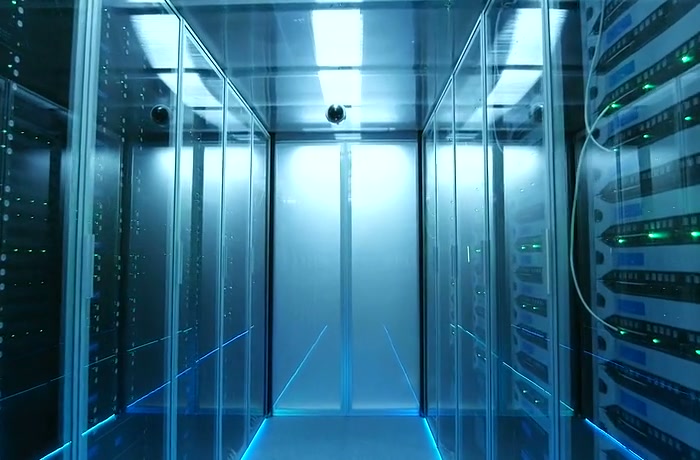
We build Supabase backends for FinTech, logistics and consumer apps where Postgres is the right data model and open-source control matters. Supabase combines a managed Postgres instance with a PostgREST API, JWT-based Auth, Realtime subscriptions over WebSocket, Deno Edge Functions and file storage in a single project. Row-Level Security policies enforce multi-tenant data isolation at the database layer — no application-layer filter can bypass them. For EU clients, we deploy on EU Supabase regions and implement GDPR data subject rights via Edge Functions.
Challenges
Missing RLS policies expose multi-tenant data across user boundaries. We treat RLS as a first-class architecture concern, write policies in code, and test them with dedicated test suites.
Supabase Realtime broadcasts changes to all connected clients. At high message rate, unfiltered channels add latency and bandwidth. We filter channels to the minimum data required per user session.
Deno Edge Functions cold-start in 50–200 ms. For latency-sensitive paths, we keep functions warm and design the client to tolerate startup delay for non-critical requests.
Expired sessions cause silent API failures when the client does not handle token refresh correctly. We implement auto-refresh with retry logic and graceful logout on non-recoverable auth errors.
Supabase migrations run on the hosted Postgres instance. Schema changes that require lock acquisition can block reads on high-traffic tables. We use zero-downtime migration patterns and test on staging before production.
Supabase EU region projects store data in Frankfurt. We configure project regions, implement data deletion Edge Functions and validate data-residency assertions for GDPR Article 44–49 compliance.
Solutions
Postgres + RLS for data isolation across tenants, PostgREST for instant typed APIs, Auth for user management.
Audit-log tables, RLS-enforced data access and EU-region Postgres for PSD2 and GDPR-compliant financial backends.
Supabase Realtime subscriptions for live editing, presence and notifications without managing WebSocket infrastructure.
PostgREST auto-generates REST APIs from Postgres schema — paired with Edge Functions for business logic that cannot live in SQL.
Supabase Storage with RLS-protected buckets for user-uploaded assets, profile images and document storage.
Self-hosted Supabase on your own cloud account for full data control — we configure Docker Compose or Kubernetes deployments.
Stack
Supabase, PostgreSQL, PostgREST, Supabase Auth, Supabase Realtime, Supabase Storage, Deno Edge Functions, Row-Level Security, React Native, Next.js.
Compliance
GDPR-aligned · EU data residency (Frankfurt) · SOC 2 (Supabase Cloud) · HIPAA-capable
Cases

Unified crypto-ecosystem hub aggregating multiple tokens — live exchange data, search, charts, direct purchase entry point.
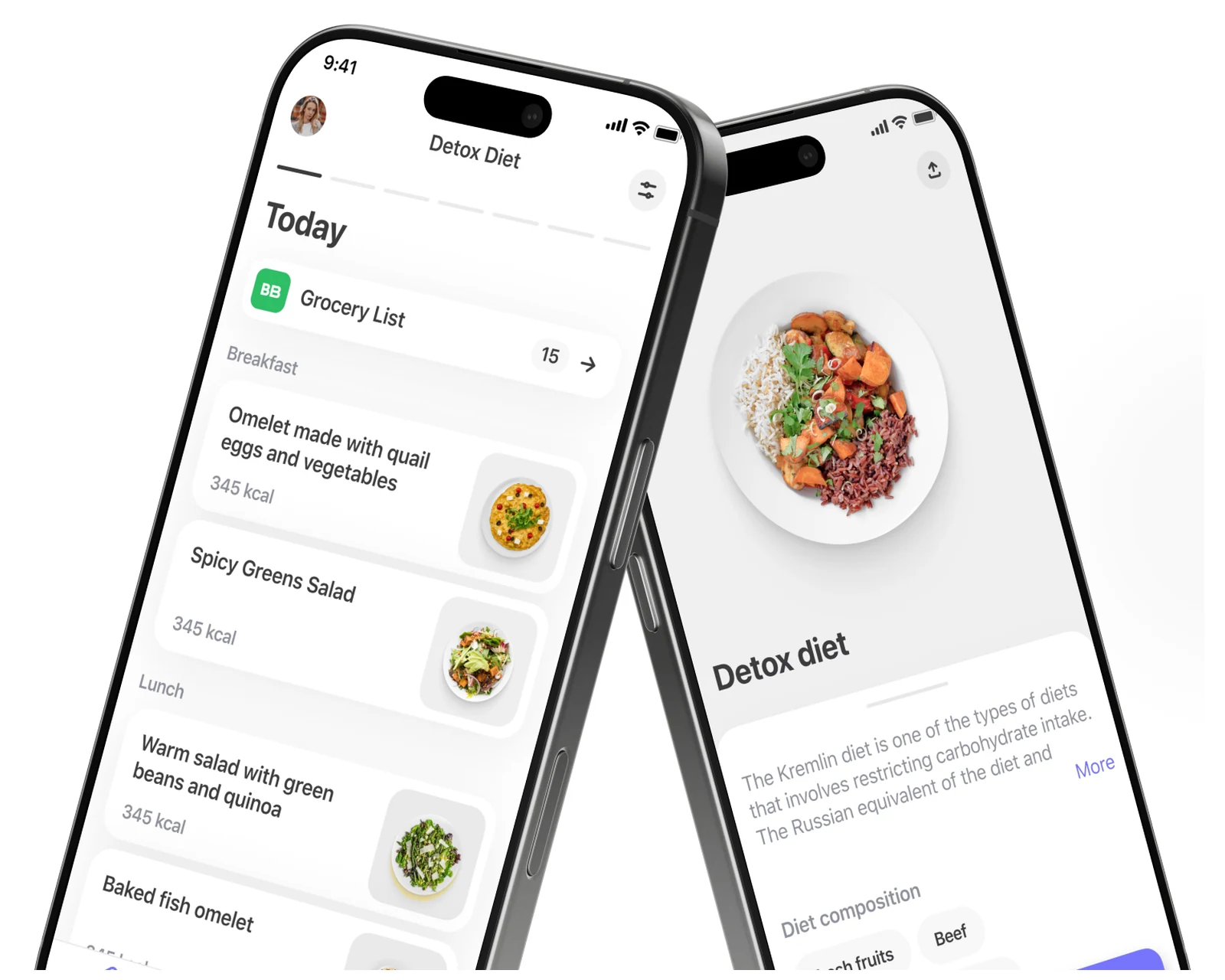
Cross-platform diet and meal-planning app on Flutter — calorie engine, recipe library, weekly meal-plan, grocery ordering.
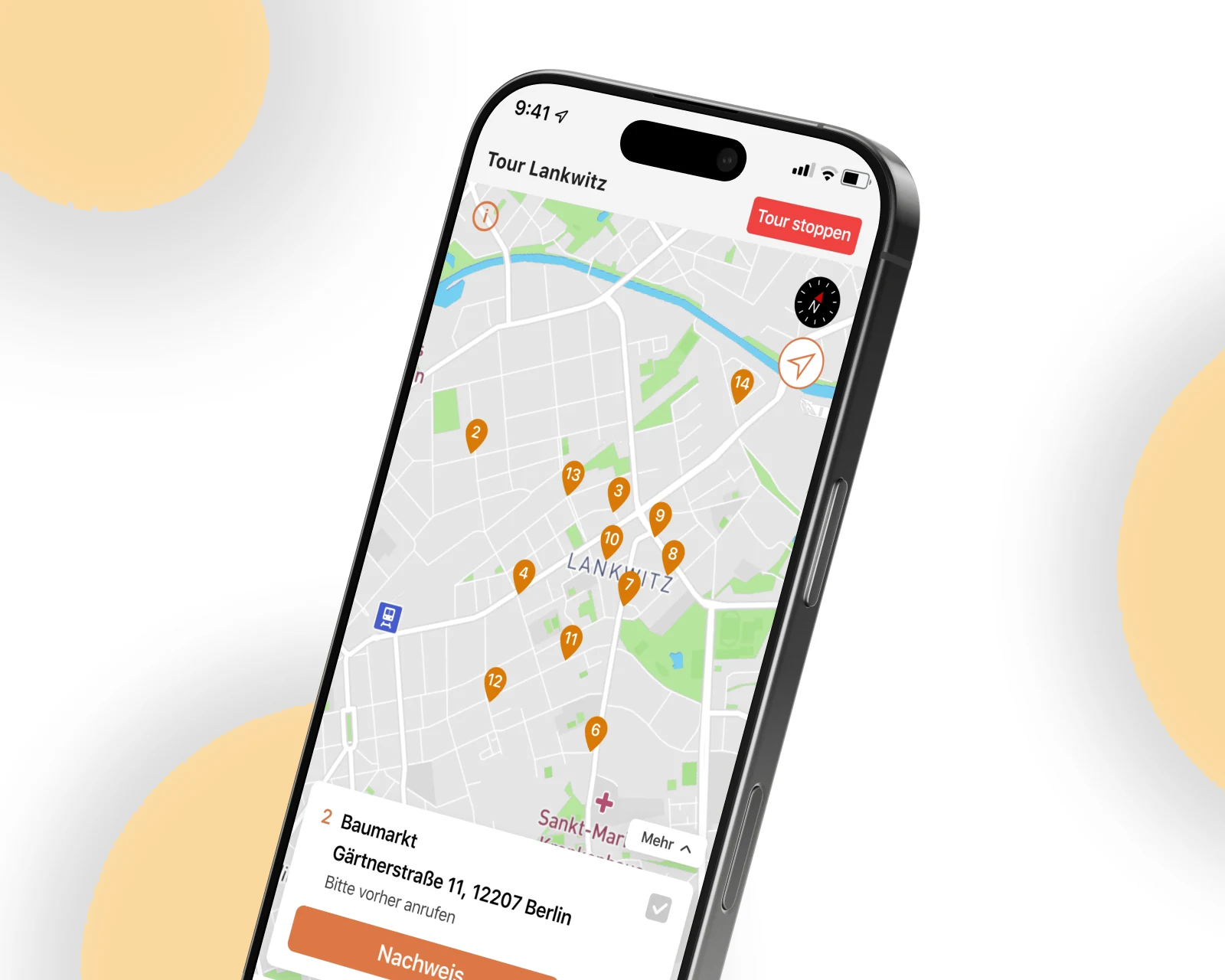
Android + iOS refactor and rebuild for a German last-mile logistics operator — multi-point route planning, real-time driver tracking and in-app invoicing live in the EU.
Why YuSMP
Supabase is Postgres. Our engineers write RLS policies, migration scripts and query optimisations at the database level — not just through the GUI.
We treat Row-Level Security policies as part of the data model, not an afterthought. Every multi-tenant Supabase project ships with a tested RLS policy suite.
We deliver on Supabase Cloud for speed or self-hosted on your infrastructure for data control. Same architecture, same RLS, same Edge Functions.
FAQ
Supabase is better when your data model is relational, you need SQL joins and complex queries, or you require an open-source / self-hostable stack. Firebase is better when you need sub-millisecond document reads, deep iOS/Android SDK integration and Google's global edge network.
RLS policies are SQL expressions attached to Postgres tables. Every INSERT, SELECT, UPDATE and DELETE checks the policy before returning data — no application-layer code can bypass them. We write and test RLS policies as part of the data model design.
Yes — PostgREST and Supabase's connection pooler handle thousands of concurrent requests. For very high read loads, we add a read replica or layer a CDN cache for public, non-personalised endpoints.
Yes. We deploy Supabase via Docker Compose or Kubernetes on your cloud account (AWS, GCP, Azure) for full data control. Self-hosted removes per-row pricing and keeps data within your infrastructure boundary.
We implement data export and deletion Supabase Edge Functions that traverse all tables containing the user's data, respect FK constraints and return a confirmation receipt — standard in every EU client engagement.
Supabase Realtime proxies Postgres WAL changes over a WebSocket connection. Clients subscribe to table or row changes and receive events in real time. We filter channels to the minimum data required per user to reduce bandwidth.
Yes. Supabase provides official SDKs for React Native (JavaScript), Flutter (Dart) and every major web framework. We use the SDK for Auth, Realtime and Storage, and PostgREST for typed API calls.
Response within 1 business day. NDA on request.
Share a few details and a senior consultant will reply within one business day.