Edge vs serverless trade-offs
Edge functions are fast and global but limited; serverless functions are flexible but cold-start and region-bound. Choosing the wrong runtime per route quietly degrades latency and cost.

Vercel Edge Functions CDN Next.js
We ship and operate Vercel-hosted applications for US and EU companies that need fast, globally distributed frontends without the operational overhead. From Next.js deployment and edge middleware to ISR caching and regional data residency, we treat the edge as a first-class part of your architecture. Our work spans US startups scaling on serverless and EU enterprises pinning compute to in-region edge nodes for GDPR alignment.

We ship and operate Vercel-hosted applications for US and EU companies that need fast, globally distributed frontends without the operational overhead. From Next.js deployment and edge middleware to ISR caching and regional data residency, we treat the edge as a first-class part of your architecture. Our work spans US startups scaling on serverless and EU enterprises pinning compute to in-region edge nodes for GDPR alignment.
Challenges
Edge functions are fast and global but limited; serverless functions are flexible but cold-start and region-bound. Choosing the wrong runtime per route quietly degrades latency and cost.
Default function regions can place compute far from your users or, worse, outside the jurisdiction your data must stay in — a silent GDPR and latency problem.
Unmanaged preview environments, slow builds and unclear promotion paths from preview to production make releases risky and hard to review.
Incremental Static Regeneration and CDN caching are powerful but easy to misconfigure, serving stale content or, conversely, hammering origin on every request.
Serverless invocations, edge requests and bandwidth bills grow opaquely; without observability you cannot see which routes drive cost or break under load.
The edge runtime restricts Node APIs, bundle size and execution time; code that works locally can fail at the edge if these constraints are not designed for upfront.
Solutions
We deploy and tune Next.js on Vercel — App Router, route-level runtime selection and Turbopack builds — so each route runs on the runtime and region that fits its workload.
Authentication, geo-routing, A/B testing and request rewriting handled in edge middleware, so personalised and protected logic runs close to the user without an origin round-trip.
We design ISR revalidation, cache-control and on-demand invalidation so content is fresh when it must be and cached when it can be, keeping origin load and cost predictable.
Every pull request gets an isolated preview deployment with checks, so stakeholders review real builds and promotion to production is a controlled, auditable step.
WAF rules, per-route rate limiting, bot mitigation and a strict header and CSP policy applied at the edge to harden the application before traffic reaches your code.
Vercel Analytics, Speed Insights and structured logging wired in so you can see Core Web Vitals, invocation cost and error rates per route and act on them.
Stack
Vercel, Next.js, Edge and Serverless Functions, Edge Config, Vercel KV and Postgres, ISR, Turbopack, GitHub integration, preview deployments, Vercel Analytics.
Compliance
SOC 2 hosting · EU data residency · DDoS/WAF edge · CSP/headers
Cases
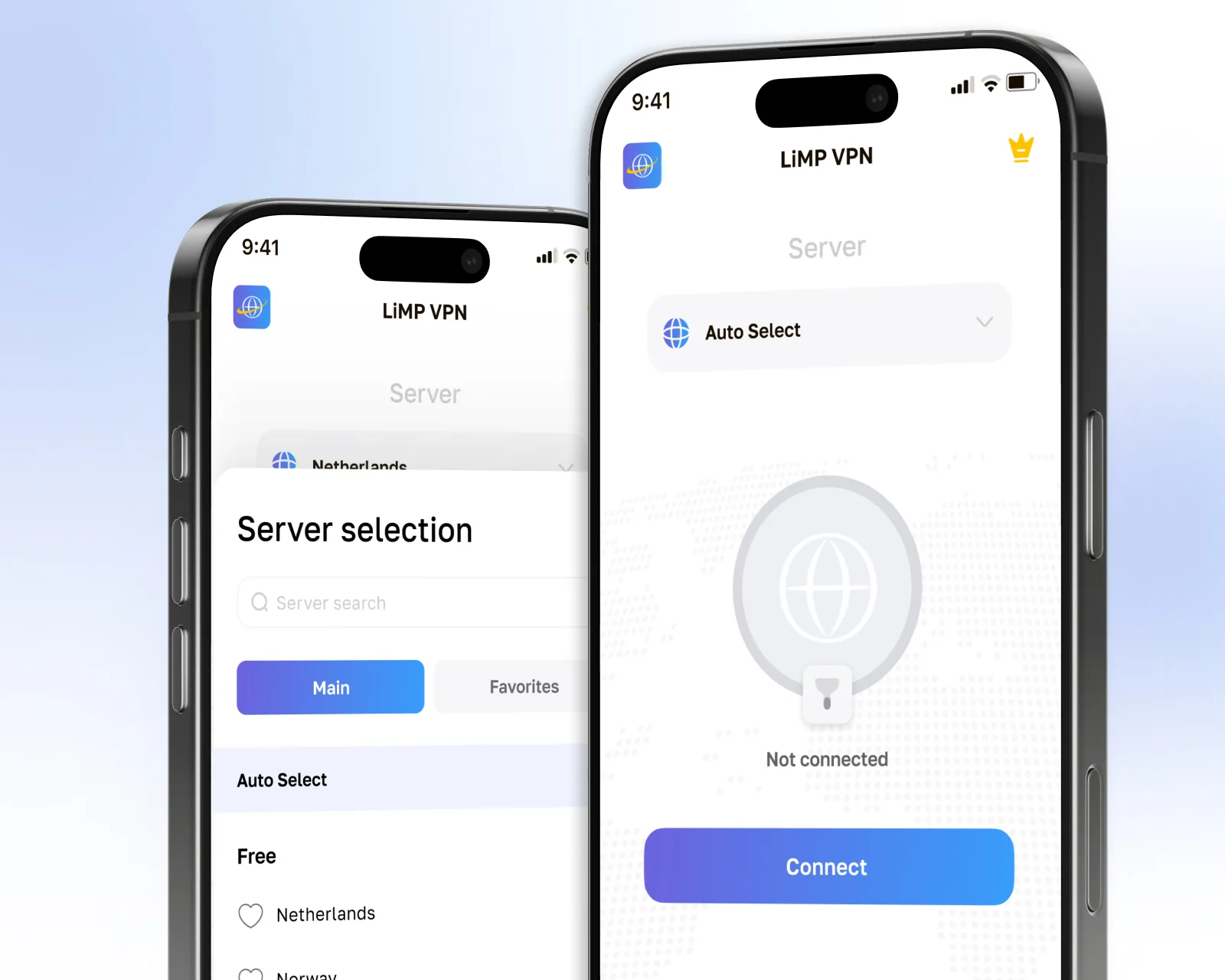
Consumer WireGuard VPN app for iOS and Android with zero-log architecture, launched across the US and EU.

Production social platform — App Store + Google Play, live across the US and EU — with geo Radar, encrypted messaging and a virtual economy.
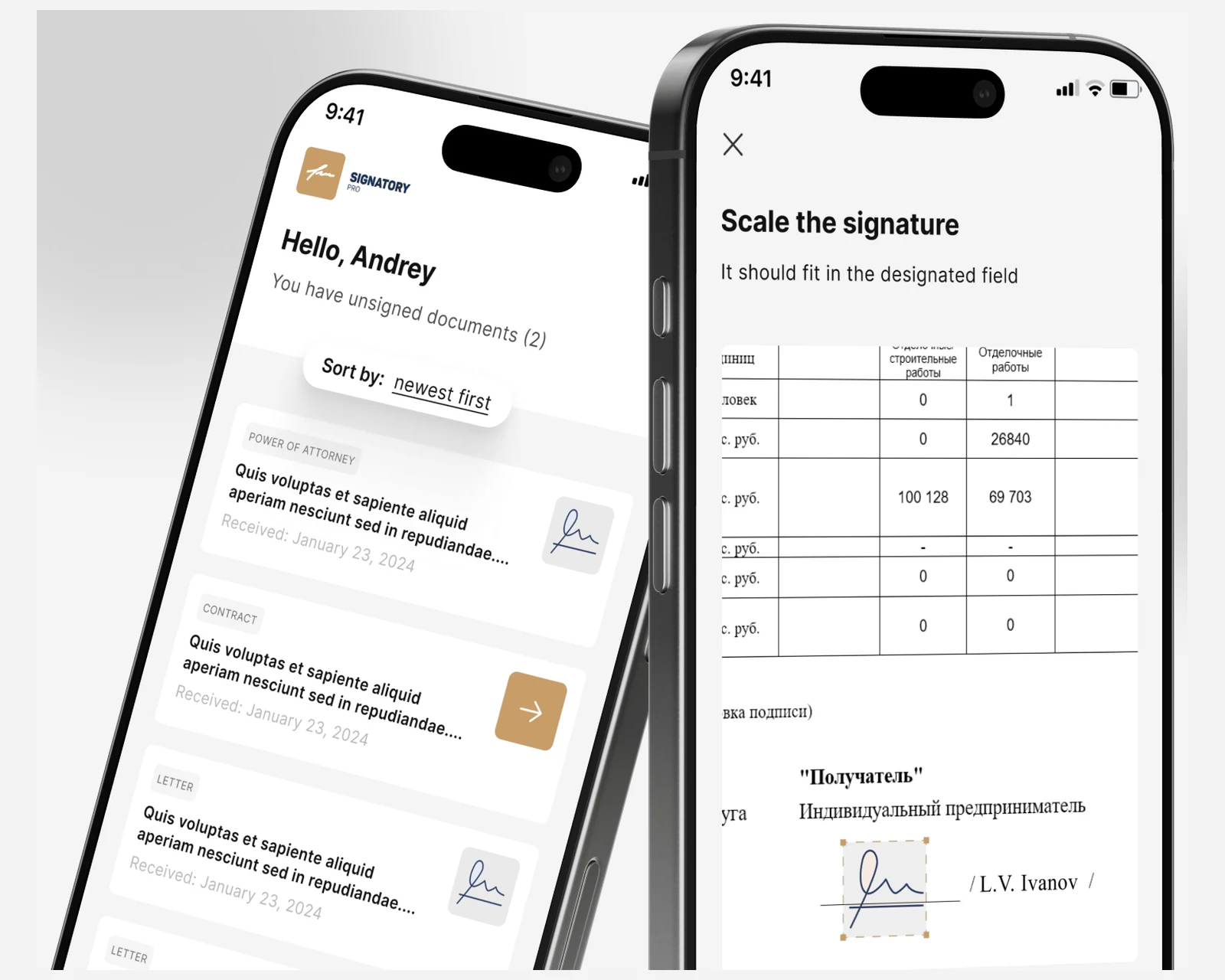
Native iOS and Android e-signature clients with a Symfony + React CRM for a cross-border law firm — KYC onboarding and a defensible evidence trail for US & EU matters.
Why YuSMP
We design which logic belongs at the edge, in serverless functions or in your backend — instead of pushing everything onto one runtime and hoping.
Region pinning, CSP, WAF and secrets management are part of the deployment from day one, with SOC 2-aligned pipelines for US and GDPR-aligned residency for EU clients.
We work across US and European time zones and regulatory contexts, so residency, privacy and performance are handled correctly for each market.
FAQ
Use edge functions for low-latency, globally distributed logic like auth checks, redirects, geo-routing and personalisation — they run close to the user but have a limited runtime. Use serverless functions for heavier work that needs full Node APIs, larger bundles, database access or longer execution. We pick per route rather than forcing one model across the app.
Yes, within the hosting layer. We configure functions to execute in EU regions and pin edge behaviour so regulated requests are processed in-region, backed by a DPA. For full data residency you also need your databases and third-party services in the EU — we design the whole path, not just the frontend.
Incremental Static Regeneration lets pages be served as fast static content while still updating in the background or on demand. It gives you near-static performance with dynamic freshness, so you avoid both fully dynamic rendering cost and stale fully-static pages. Configured well, it cuts origin load and improves Core Web Vitals.
Vercel gives you zero-ops global delivery, preview deployments and edge features out of the box, which is ideal for most product teams. Self-hosting (on your own Kubernetes or a Node server) makes sense when you need full infrastructure control, specific compliance isolation or to consolidate cost at very high scale. We help you make and, if needed, reverse that decision.
Cost comes from invocations, edge requests, bandwidth and image optimisation. We control it with caching and ISR to cut origin hits, right-sized runtimes per route, observability to find expensive paths, and clear budgets and alerts. Most overruns we see come from missing caching, not from the platform itself.
Vercel is a frontend and edge platform, not a home for long-running jobs, heavy stateful backends, large data processing or workloads needing a signed BAA for regulated health data. In those cases we keep Vercel as the presentation and edge tier and run the regulated or compute-heavy backend on dedicated infrastructure.
Yes. We apply edge WAF rules, bot and abuse mitigation, per-route rate limiting, and strict security headers including CSP and HSTS via middleware. This blocks common attacks and abusive traffic before it reaches your functions, with DDoS protection handled at the platform edge.
Share a few details and a senior consultant will reply within one business day.