Warehouse sizing & credit runaway
Oversized warehouses, missing auto-suspend and idle clusters quietly burn credits. Without per-team attribution, monthly Snowflake bills drift with no clear owner or ceiling.

Snowflake Data Warehouse Snowpark ELT
We build production Snowflake platforms for data teams across the US and EU — from warehouse sizing and ELT pipelines to Snowpark apps and role-based governance. Our engineers separate storage from compute deliberately, so you pay for the queries you run and nothing else. Every deployment is region-aware, GDPR- and HIPAA-conscious, and instrumented for credit consumption from day one.

We build production Snowflake platforms for data teams across the US and EU — from warehouse sizing and ELT pipelines to Snowpark apps and role-based governance. Our engineers separate storage from compute deliberately, so you pay for the queries you run and nothing else. Every deployment is region-aware, GDPR- and HIPAA-conscious, and instrumented for credit consumption from day one.
Challenges
Oversized warehouses, missing auto-suspend and idle clusters quietly burn credits. Without per-team attribution, monthly Snowflake bills drift with no clear owner or ceiling.
Loading raw data and transforming in-warehouse needs disciplined staging, cleansing and mart layers. Skipping that structure leaves brittle, untested SQL that nobody can safely change.
Flat or ad-hoc role grants become unmanageable as schemas, teams and external shares grow. Over-broad access creates audit findings and exposes sensitive columns.
Stitching together continuous Snowpipe loads, scheduled batch files and change-data-capture from operational databases is error-prone, with gaps, duplicates and late-arriving data.
Poor clustering keys, exploding micro-partitions and unpruned scans make dashboards slow and expensive. Spilling to remote storage signals warehouses fighting the data layout.
Right-to-erasure and data-residency rules clash with time-travel, fail-safe and replicated shares. Personal data must be findable, maskable and deletable across every copy.
Solutions
We right-size virtual warehouses, set auto-suspend/resume, separate workloads by warehouse and add resource monitors plus per-team credit attribution so spend is predictable and visible.
We build tested, version-controlled ELT in dbt, orchestrated with Streams and Tasks or dynamic tables, giving incremental models, data tests and full lineage.
We structure staging, intermediate and mart layers with clear naming and ownership, so analytics models are reusable, documented and safe to evolve.
We implement continuous Snowpipe, managed connectors (Fivetran/Airbyte) and CDC pipelines with idempotent loads, schema-drift handling and freshness monitoring.
We move Python, Scala and ML workloads into Snowpark so transformation and feature engineering run next to the data, without exporting it to external compute.
We design role hierarchies, tag-based masking and row access policies, with SSO/SCIM provisioning and access reviews that hold up under SOC 2 and GDPR audits.
Stack
Snowflake, virtual warehouses, Snowpark, Streams & Tasks, dbt, Fivetran/Airbyte, dynamic tables, role-based access, Terraform.
Compliance
GDPR · data residency · HIPAA-ready · SOC 2
Cases

Unified crypto-ecosystem hub aggregating multiple tokens — live exchange data, search, charts, direct purchase entry point.
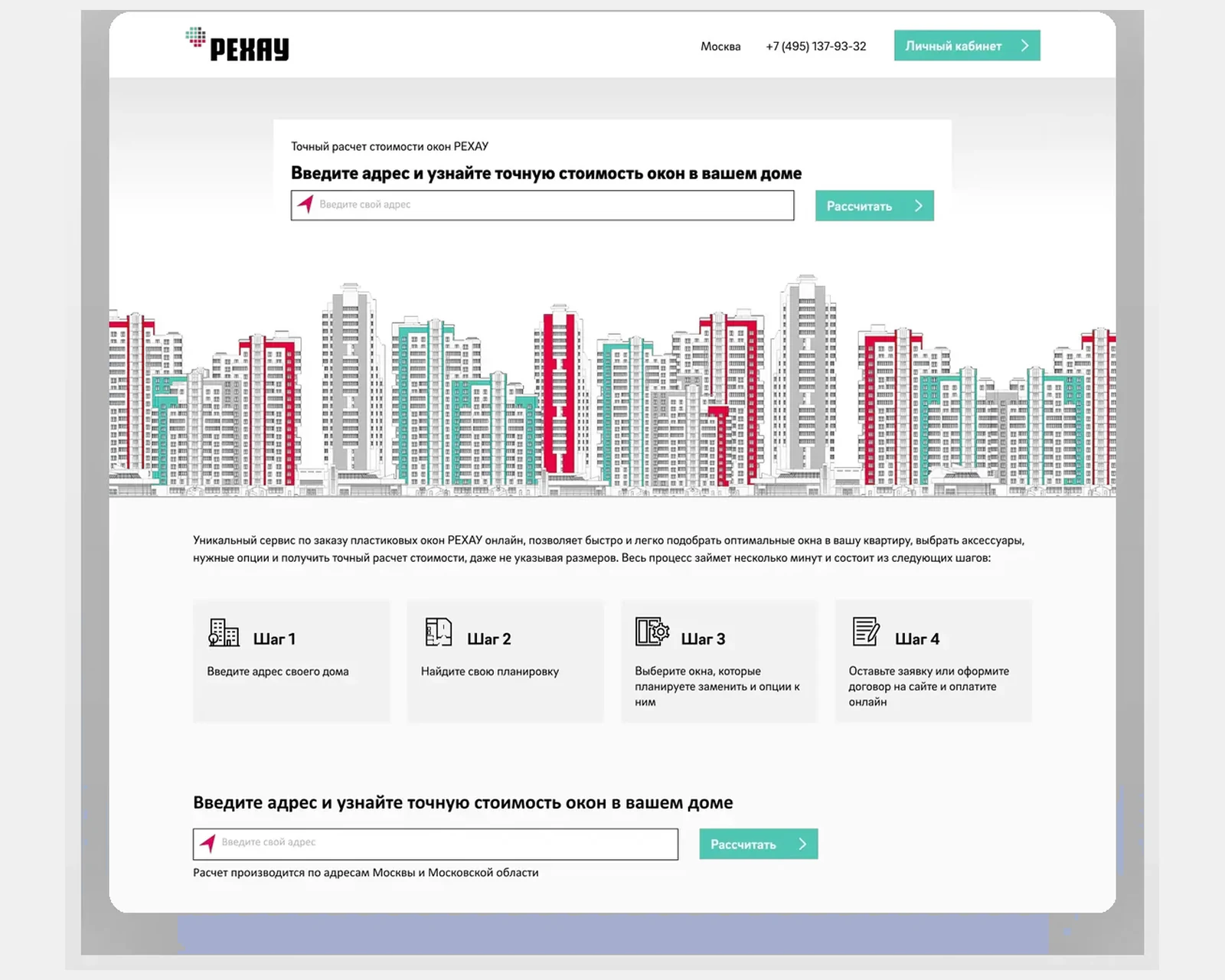
B2B e-commerce and product configurator for a global polymer manufacturer with multi-region pricing, stock and dealer workflows.
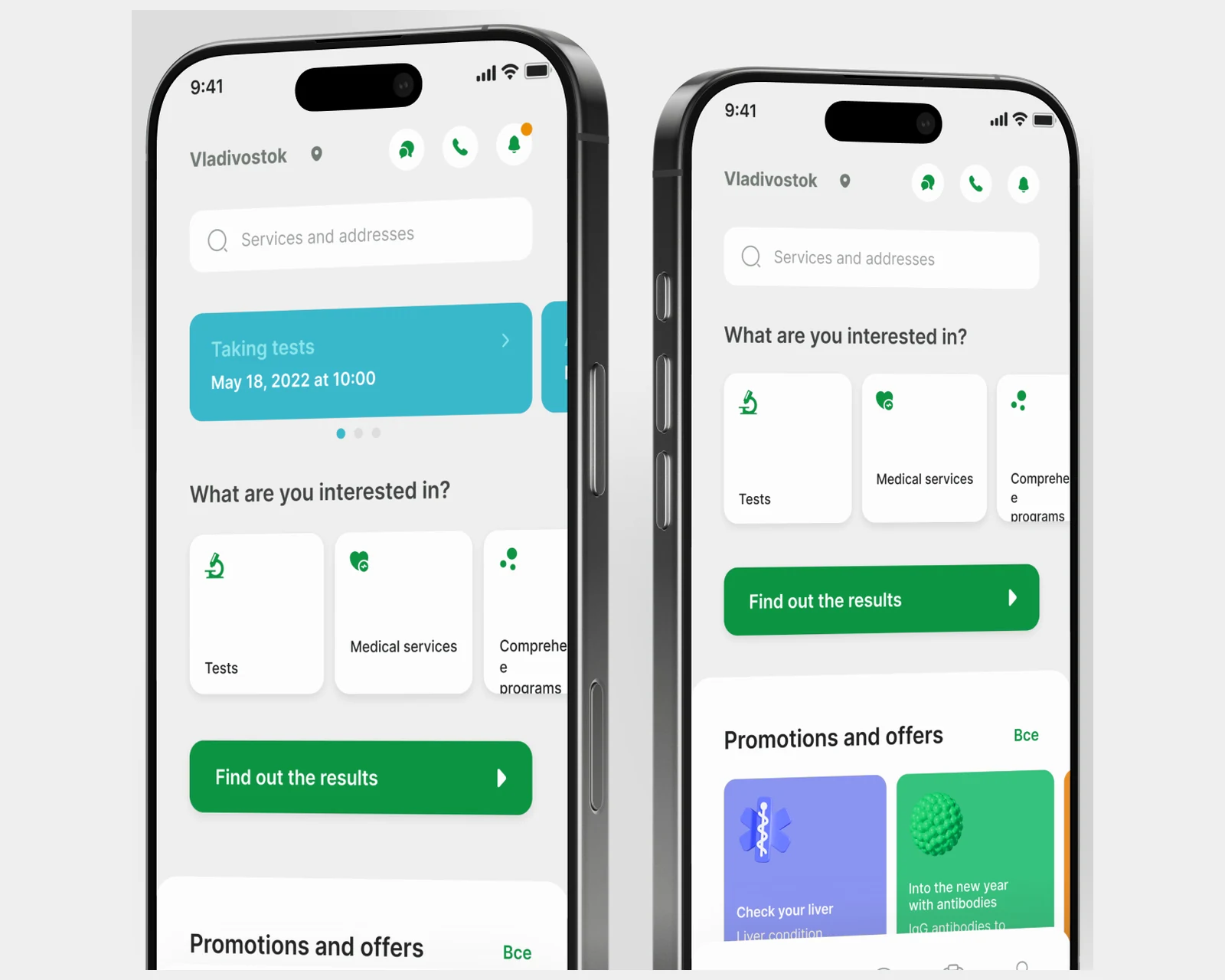
Patient app for a 40-city lab network — appointment booking, digital results, 2,500+ tests, scheduling and accounting integrations.
Why YuSMP
Our team works in Snowflake, dbt and Snowpark daily — we know where credits leak, why partitions bloat and how to model for change rather than for the demo.
We instrument credit consumption from the first warehouse, set resource monitors and report spend per team, so finance and engineering see the same numbers.
We deploy to the right region, apply masking and access policies up front, and document lineage — so GDPR, HIPAA, SOC 2 and CCPA reviews are routine, not fire drills.
FAQ
Snowflake separates storage from compute with multiple independent virtual warehouses, so workloads never compete for resources and you scale them individually. BigQuery is serverless and great for ad-hoc Google-stack analytics; Databricks leads for heavy Spark and ML/lakehouse work; Redshift fits teams deep in AWS who accept node management. We help you choose, and often run Snowflake alongside Databricks for the ML half.
You pay for compute in credits, billed per second while a virtual warehouse runs, plus separate storage. Costs run away when warehouses are oversized, never auto-suspend, or one warehouse serves every workload. We right-size warehouses, enable auto-suspend/resume, split workloads, and add resource monitors with per-team attribution so spend is capped and traceable.
ETL transforms data before loading; ELT loads raw data first, then transforms inside Snowflake using its compute. ELT is the modern default here because Snowflake scales transformation cheaply and tools like dbt make it testable and version-controlled. We build layered staging-to-mart models so transformations stay documented and safe to change.
Snowpark lets you run Python, Scala or Java — including DataFrame code and ML models — directly inside Snowflake, next to the data, instead of exporting it to a separate cluster. It suits feature engineering, complex transformations and scoring where data movement is the bottleneck. We use it to consolidate pipelines and keep sensitive data inside the governed boundary.
Secure data sharing exposes live, read-only data to other Snowflake accounts without copying it — consumers query your data and you control access through shares and the Marketplace. It is ideal for partners, subsidiaries and data products. We design shares with row and column policies so you share exactly the right slice and nothing more.
Yes. Snowflake offers a BAA on HIPAA-eligible editions, and you choose the cloud region, so EU data can stay in Frankfurt, Dublin or Amsterdam. We deploy to the correct region, apply PHI masking and row access policies, and configure retention and time-travel to satisfy GDPR erasure obligations.
Snowflake is not built for sub-second operational lookups, high-frequency transactional writes, or true real-time event streaming — a purpose-built OLTP or streaming system fits better there. For very small, low-volume datasets the platform can also be more than you need. We will tell you honestly when a lighter database or a streaming engine is the better call.
Response within 1 business day. NDA on request.
Share a few details and a senior consultant will reply within one business day.