Azure Migrate assessment
Agent or agentless discovery, VM rightsizing recommendations, SQL Server-to-SQL MI compatibility scoring, dependency map (supplemented with eBPF tracing where needed), 7Rs decision matrix per workload.

Services
Microsoft-native cloud migrations done properly: CAF Enterprise-Scale Landing Zones in Terraform AVM or Bicep, Azure Migrate-driven 7Rs assessment, AKS / App Service / Container Apps replatform, SQL Server consolidation to Azure SQL MI via DMS online, and Defender for Cloud baked into the foundation. Senior Azure engineers on CET with East-Coast US overlap, EU Data Boundary by default, Hybrid Benefit applied wherever your licenses permit. Fixed-scope, all-in USD pricing: individual services from $200, lift-and-shift from $1,800, re-platform from $4,100, a full exit off AWS/Azure/GCP from $5,800. IP transferred on day one, no recruitment markup, no tool surcharges.

Azure-certified cloud architects · CAF & Well-Architected delivery · GDPR-aligned · ISO 27001 ready · SOC 2 Type II in progress · HIPAA-capable · CET workday with 9 AM–1 PM ET overlap
Azure rewards teams that follow the Cloud Adoption Framework and punishes teams that improvise. We do not improvise. Every engagement starts from CAF Enterprise-Scale Landing Zone, deployed via the official Terraform Azure Verified Modules or Bicep, with management group hierarchy aligned to your business units and Azure Policy initiatives that enforce region pinning, tagging, and Defender for Cloud at Standard. Identity is Entra ID with PIM mandatory for production. EU workloads land in West Europe, North Europe, Sweden Central or France Central with EU Data Boundary commitments enforced via policy and audited monthly. Hybrid Benefit is applied on day one — leaving 40 percent of Windows/SQL spend on the table is not engineering, it is procurement neglect. Migrating off AWS or running multi-cloud instead? See our AWS migration services, ongoing cloud & DevOps consulting, and dedicated Kubernetes consulting for AKS at scale.
Agent or agentless discovery, VM rightsizing recommendations, SQL Server-to-SQL MI compatibility scoring, dependency map (supplemented with eBPF tracing where needed), 7Rs decision matrix per workload.
Enterprise-Scale Landing Zone via Terraform AVM or Bicep, management group hierarchy aligned to your org, Azure Policy initiatives, hub-spoke vNet with Azure Firewall Premium, Entra ID + PIM, Defender for Cloud Standard.
Stateless tiers to App Service or Container Apps with Dapr; complex workloads to AKS with Azure CNI Overlay, Workload Identity, Azure Policy add-on, and NAP for node autoscaling. ACR with Defender scanning in the pipeline.
SQL Server consolidation to Azure SQL Managed Instance via DMS online migration with near-zero downtime; PostgreSQL to Azure Database for PostgreSQL Flexible Server with HA and read replicas, private endpoints only.
Cost Management exports to ADLS Gen2 + Synapse, tagging enforced via Azure Policy, Hybrid Benefit applied to every eligible SKU, Reserved Instance + Savings Plan strategy, Spot on AKS for batch.
Azure Monitor + Log Analytics + Application Insights, OpenTelemetry for app instrumentation, Defender for Cloud + Defender for Servers/SQL/Containers/Storage at Standard, Sentinel SIEM optional with custom KQL playbooks.
Azure Migrate appliance deployed, dependency map built, 7Rs decision per workload, CAF landing zone design, cost model with Hybrid Benefit applied, migration waves with go/no-go gates.
Enterprise-Scale Landing Zone deployed via Terraform AVM, management groups, Azure Policy initiatives, hub vNet + Azure Firewall, Entra ID federation, Defender for Cloud baseline, ExpressRoute or Site-to-Site VPN.
Waves of 10–30 VMs each via Azure Site Recovery or replatform to AKS/App Service. SQL DMS online cutovers in maintenance windows. Performance validation against pre-migration baseline before decommission.
FinOps optimization sprint, Reserved Instance / Savings Plan purchase, Defender for Cloud secure-score push above 80, runbooks finalized, 30-day shadow on-call before your team owns it.
Individual services
from $200
one-off · à la carte
Focused, à la carte Azure work: a CAF landing-zone module, a single DMS pipeline, a FinOps/Hybrid Benefit review or a Bicep/Terraform review, scoped on its own.
Lift-and-shift
from $1,800
one-off · rehost
Rehost an application onto Azure with minimal change: Azure Site Recovery replication, a CAF landing zone, cutover runbook with rollback and a post-move validation.
Re-platform
from $4,100
one-off · managed services
Move onto managed Azure services: AKS / App Service / Container Apps, SQL Server to Azure SQL Managed Instance via DMS online, rebuilt CI/CD and observability, FinOps from day one.
Exit AWS/Azure/GCP
from $5,800
one-off · portable exit
A clean, portable exit off a cloud you are leaving: containerised, IaC-defined workloads and data extracted to your target platform with no lock-in.
What moves the number: estate size (VM and database count), the rehost-vs-replatform mix, compliance scope (GDPR / EU Data Boundary / HIPAA / PCI), and how much data has to move. Cloud fees run on your own accounts, so you keep the cost lever. You see the line-item budget before any work starts. Prices are indicative and fixed in a written quote for your scope.
All engagements include NDA, DPA aligned to GDPR with SCCs, EU Data Boundary commitment enforced via Azure Policy, and contractual no-vendor-lock-out clause.
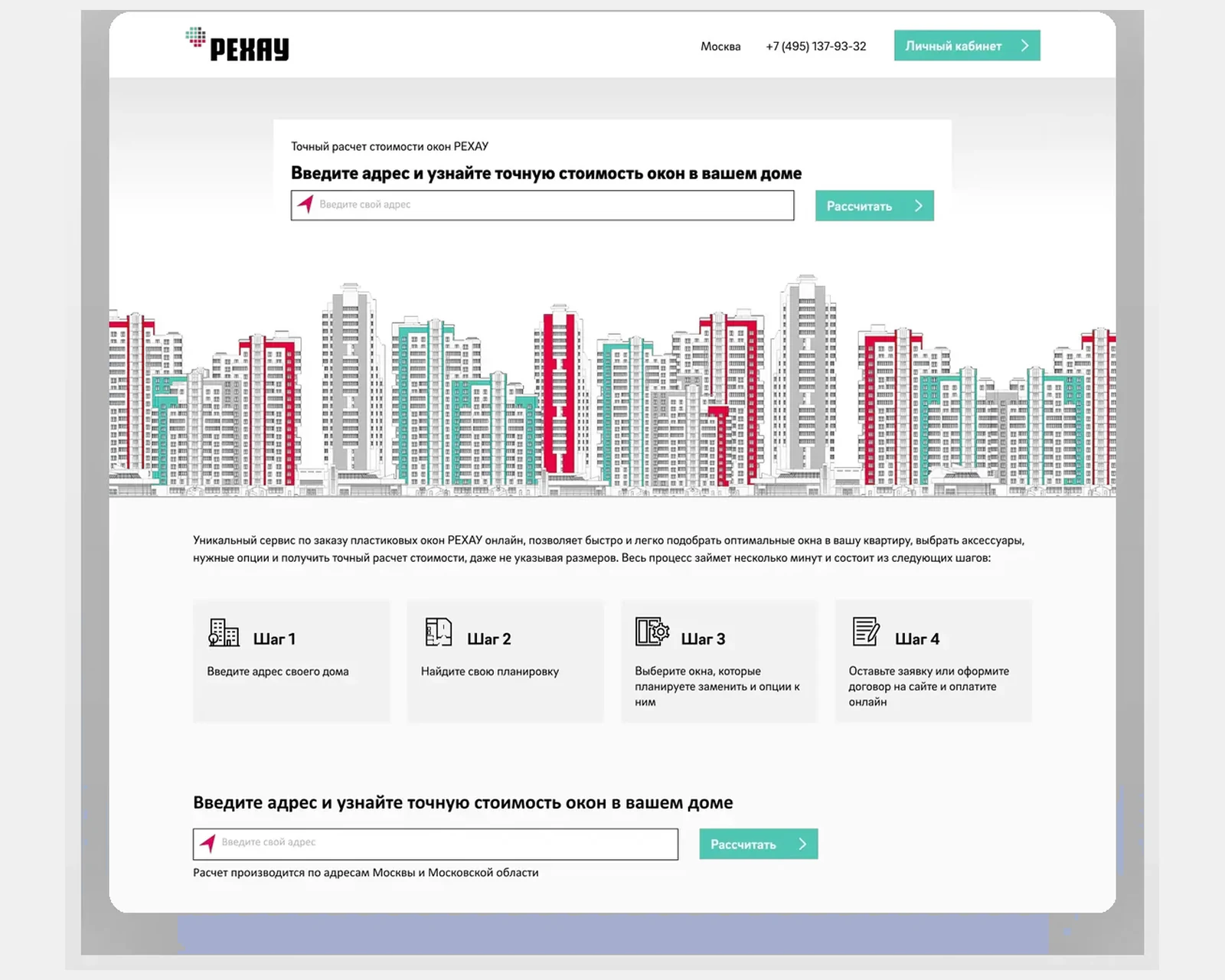
B2B e-commerce and product configurator for a global polymer manufacturer with multi-region pricing, stock and dealer workflows.
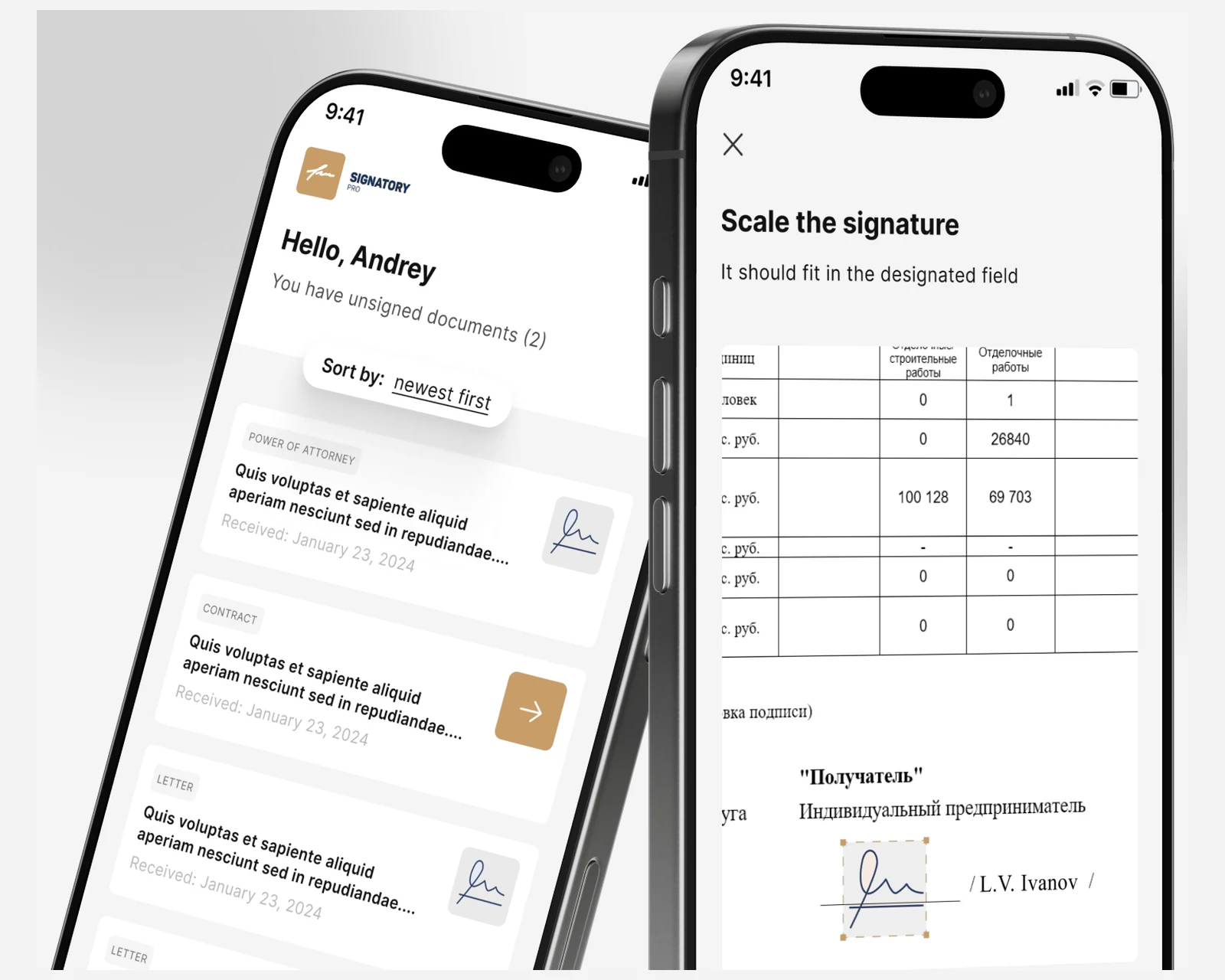
Native iOS and Android e-signature clients with a Symfony + React CRM for a cross-border law firm — KYC onboarding and a defensible evidence trail for US & EU matters.
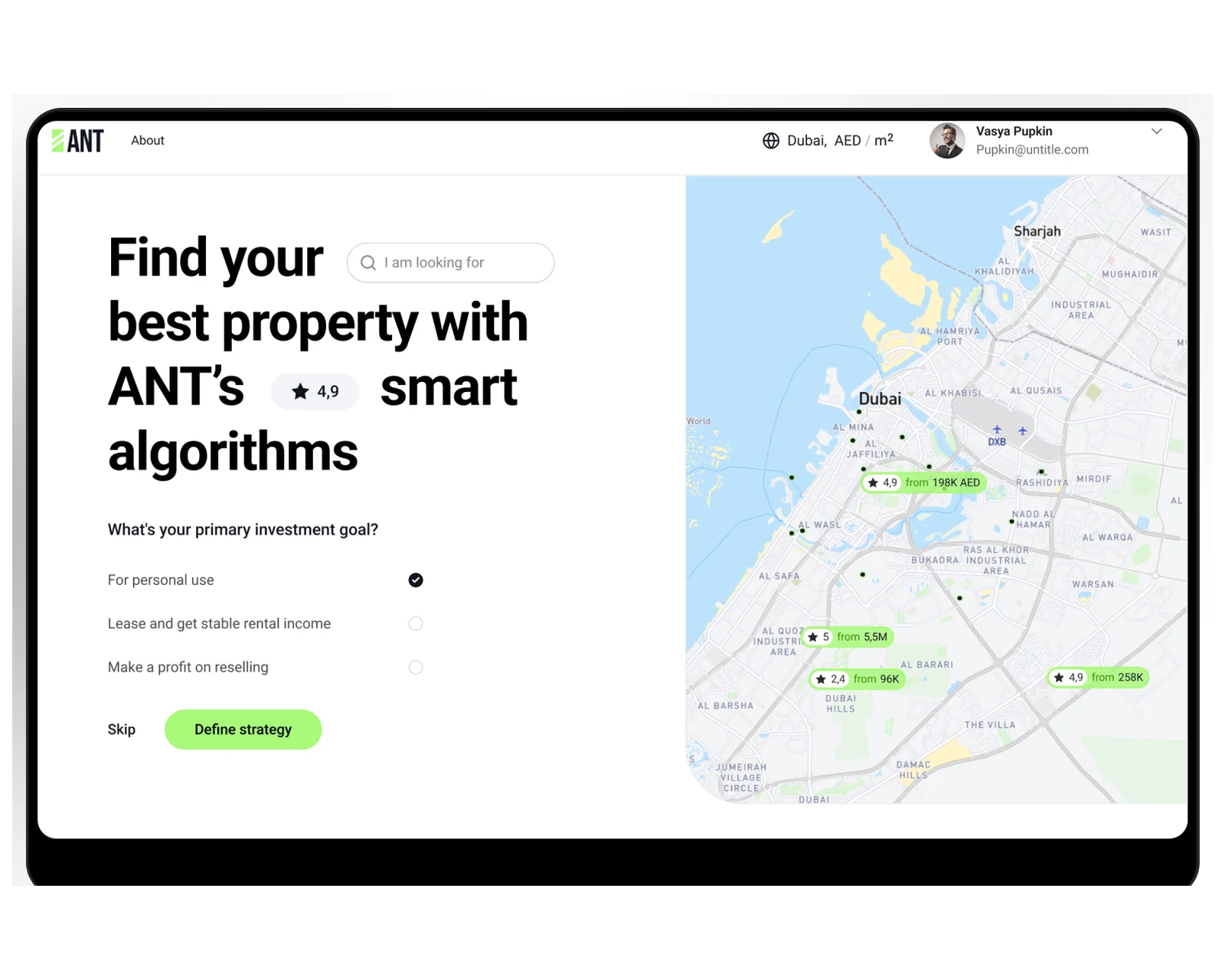
Property marketplace web platform with listing CMS, search and B2B admin console for US and EU operators.
Data residency, uptime and compliance mean different things in each sector. We pair CAF-disciplined Azure migration engineering with industry-specific controls across US & EU markets.
PCI-scope landing zones with Azure Policy guardrails, segmented hub-spoke vNets, Key Vault Managed HSM and release evidence your QSA can sign off — the rigour behind our EverCoin Bank platform.
FinTech on Azure →HIPAA-capable, GDPR-aligned architectures with EU Data Boundary or US data residency, documented data flows, encrypted PHI stores and Customer Lockbox.
HealthTech on Azure →Autoscaling for peak-season traffic on App Service and AKS, Front Door + WAF and FinOps guardrails — the workload profile behind our REHAU B2B commerce build.
Retail on Azure →Real-time event pipelines, low-latency regions and resilient SRE for dispatch, tracking and routing systems migrated to Azure — the profile behind our xRouten logistics app.
Logistics on Azure →Sovereign-region landing zones, Azure Policy region pinning to EU or national boundaries, Confidential Computing for attestable workloads and full audit trails — the controls procurement and accreditation teams expect before a public workload leaves the data centre.
GovTech on Azure →Hybrid estates that keep MES/SCADA on-prem while moving analytics, ERP and IoT ingestion to Azure — IoT Hub, Event Hubs and Azure Arc for plant-floor telemetry, with ExpressRoute back to the shop floor and no hard dependency on cloud latency for control loops.
Manufacturing on Azure →GDPR-aligned · ISO 27001 ready · SOC 2 Type II in progress · HIPAA-capable · CCPA-acknowledged
We follow Microsoft's Cloud Adoption Framework Enterprise-Scale Landing Zone every time, customize deliberately, and never write a landing zone from scratch. That is what makes the post-migration estate maintainable by your team, not a YuSMP-shaped artefact.
West Europe / North Europe / Sweden Central / France Central, Azure Policy region pinning at management group level, Key Vault Managed HSM (FIPS 140-2 Level 3), Customer Lockbox enabled, Schrems II-aligned DPA with SCCs.
Every eligible Windows Server and SQL Server license is mapped to Azure Hybrid Benefit on day one. Typical 40 percent saving on those SKUs alone — and we audit the assignment monthly so coverage does not drift.
For regulated workloads we deliver against the Microsoft Well-Architected Framework with security, reliability and cost pillars reviewed quarterly. Defender secure-score >80 is contractual exit criteria.
Real-time ERP sync for an auto-parts catalog is harder than it looks — prices shift hourly and the catalog changes constantly. YuSMP built a bidirectional 1C integration that just works, with a clean storefront customers navigate without friction.
A retail chain with dozens of locations needs document workflows that non-technical staff can follow without training. YuSMP built an internal DMS with approval chains, versioning, and role-based access that our compliance officer called the cleanest system we have ever deployed.
Yes — we start from the Microsoft Cloud Adoption Framework Enterprise-Scale Landing Zone and customize, never write a landing zone from scratch. We deploy via the official Terraform AVM (Azure Verified Modules) or Bicep when the client prefers Microsoft-native tooling. Customizations are deliberate: management group hierarchy aligned to your business units (not Microsoft's defaults), Azure Policy initiatives for region pinning and resource locks, Defender for Cloud at Standard tier on every subscription, and a hub-spoke vNet topology with Azure Firewall Premium in the hub. Identity is Entra ID (formerly Azure AD) with Privileged Identity Management mandatory for any role above Reader on production subscriptions.
Azure Migrate for assessment and dependency mapping is genuinely good — agent-based or agentless depending on your security posture. We run it as the primary source for VM-right-sizing and SQL Server-to-SQL MI compatibility scoring. Where it falls short is on application-layer dependencies for distributed monoliths, so we supplement with Movere data where available, or stand up our own lightweight eBPF-based tracing for two weeks to capture east-west traffic. Output is one unified dependency graph that drives wave planning — not three competing spreadsheets.
Workloads with EU personal data land in West Europe (Netherlands), North Europe (Ireland), Sweden Central, or France Central depending on latency and sovereignty needs. We use Azure Policy at the management group level to deny resource creation outside approved regions — a developer cannot accidentally provision in East US. For Schrems II we use Customer Lockbox, Confidential Computing (Intel SGX / AMD SEV-SNP) on DCasv5/ECasv5 SKUs for attestable workloads, customer-managed keys in Azure Key Vault HSM (or Azure Key Vault Managed HSM FIPS 140-2 Level 3), and SCCs in the DPA. EU Data Boundary commitment from Microsoft is enforced at subscription tag level and audited monthly.
Decision is driven by team capability, not architectural fashion. Stateless web tiers with no need for sidecar mesh or custom networking go to App Service or Azure Container Apps (Dapr-enabled when we already have event-driven patterns). Anything with regulatory complexity, multi-tenant isolation requirements, or a meaningful service mesh need goes to AKS — with Azure CNI Overlay, Azure Policy add-on, Workload Identity (not pod identity), and a Karpenter-equivalent via NAP (Node Auto Provisioning, currently preview but production-ready in our experience). SQL Server consolidates to Azure SQL Managed Instance via the DMS online migration with near-zero downtime; PostgreSQL goes to Azure Database for PostgreSQL Flexible Server.
Cost Management + Billing exports to ADLS Gen2, then Synapse or Fabric for analytics — not raw Power BI on the API, which throttles. Tagging policy is enforced via Azure Policy with deny-on-missing-tag rules: cost-center, environment, app-id, owner. FinOps cadence is weekly: rightsizing via Azure Advisor, Reserved Instance and Savings Plan coverage tracking, Hybrid Benefit applied wherever Windows Server / SQL Server licenses allow (typical 40 percent saving on those SKUs alone), Spot VMs on AKS for batch workloads. Typical year-one savings versus lift-and-shift baseline is 25–35 percent.
Fixed-scope, all-in USD pricing: individual services from $200, a lift-and-shift from $1,800, a re-platform from $4,100, and a full exit off AWS/Azure/GCP from $5,800. You see the line-item budget at the end of discovery and sign off before any code is written — no recruitment markup, no tool surcharges, and cloud fees run on your own accounts so you keep the cost lever. Timelines scale with estate size: a 250-VM estate with SQL Server consolidation typically completes in 5–7 months end-to-end, with SQL MI cutovers and AKS replatform waves quoted per wave.
Databases are the part clients worry about most, so we default to online migration with Azure Database Migration Service: continuous replication runs while the source stays live, and the actual cutover is a short maintenance window measured in minutes, not hours. For SQL Server-to-SQL Managed Instance we use the DMS online mode with Log Replay Service as a fallback for edge cases; for very large or chatty databases we add a transactional-replication bridge so the delta at cutover is negligible. Every cutover has a written rollback runbook and a performance-validation step against the pre-migration baseline before we point production traffic at the new instance. If validation fails, we roll back and reschedule — we never leave a half-cut database in production.
Yes, and for regulated or industrial clients it is often the right answer. We connect on-prem to Azure with ExpressRoute (or Site-to-Site VPN for smaller estates), extend identity with Entra ID Connect, and manage on-prem and Azure resources through a single control plane with Azure Arc — so servers, Kubernetes clusters and SQL instances outside Azure still get Azure Policy, Defender for Cloud and update management. That lets you move analytics, ERP and customer-facing tiers to Azure while MES, SCADA or latency-sensitive control systems stay on the plant floor. The CAF landing zone is designed for that hybrid boundary from the start rather than retrofitted later.
DR is part of the landing zone, not an afterthought. VMs use Azure Backup with policy-enforced retention and, where RPO/RTO demands it, Azure Site Recovery for cross-region failover with documented, tested runbooks. Azure SQL Managed Instance runs with zone-redundant or geo-replicated configurations depending on tier, PostgreSQL Flexible Server with HA and cross-region read replicas. We set RPO and RTO targets per workload during discovery, map them to the right resiliency tier so you are not paying for geo-redundancy on a dev box, and run at least one failover drill before handover so the runbook is proven, not theoretical.
Yes — cloud-to-cloud is a large share of our work. The discovery is the same 7Rs exercise, but the levers differ: we map managed-service equivalents (RDS to Azure SQL MI or PostgreSQL Flex, EKS/GKE to AKS, S3 to Blob/ADLS Gen2, Lambda to Functions or Container Apps), re-express IaC (Terraform state migrated, CloudFormation rebuilt on Bicep or Terraform AVM), and plan data egress carefully because the source cloud bills for it. Because we containerise and define everything as code, the same engagement leaves you portable rather than swapping one lock-in for another — that is the explicit deliverable of our "Exit AWS/Azure/GCP" model.
It does, and it is one of the strongest cost cases for moving. Workloads that cannot be upgraded in place before an end-of-support date get free Extended Security Updates when they run on Azure — on Azure VMs, Azure VMware Solution or Arc-enabled hybrid — which buys time to replatform properly instead of paying for ESU on-prem. In practice we lift-and-shift the at-risk servers first to remove the security exposure, then replatform the database to Azure SQL Managed Instance (which is evergreen, so the end-of-support clock stops entirely) as a fast-follow wave. Hybrid Benefit on those same licenses usually offsets a large part of the compute cost.
Every engagement ends with a 30-day shadow on-call: your team owns operations while we stay on the incident bridge, so knowledge transfer is real rather than a slide deck. After that you can take full ownership — runbooks, IaC and dashboards are all yours — or continue with a managed-services retainer covering Defender secure-score maintenance, monthly Hybrid Benefit and Reserved Instance audits, FinOps optimisation and platform upgrades. There is no vendor-lock-out clause: because the estate is CAF-standard and defined in code, another partner (or your own hires) can pick it up without a rebuild.
Practical guides on cloud migration, Azure architecture, and legacy modernization.
Share a few details and a senior consultant will reply within one business day.