Managed vs bare workflow decision
Ejecting from managed workflow adds maintenance overhead and breaks OTA updates for the ejected modules. We scope native requirements early and design config plugins instead of ejecting.
Expo SDK EAS Build OTA Updates React Native
Ship iOS and Android simultaneously with a single React Native codebase — Expo SDK for batteries-included device APIs, EAS Build for cloud compilation, EAS Update for OTA patches that bypass app store review cycles. Native modules when Expo's managed workflow reaches its limits.

We build production Expo apps for clients who need to reach iOS and Android simultaneously without maintaining two native teams. Expo SDK provides camera, biometric auth, notifications, location and deep linking out of the box; EAS Build compiles App Store and Play Store binaries in the cloud without local Mac hardware; EAS Update ships bug fixes and content changes directly to users within minutes. When a use case requires native code, we integrate Expo dev clients and config plugins rather than ejecting.
Challenges
Ejecting from managed workflow adds maintenance overhead and breaks OTA updates for the ejected modules. We scope native requirements early and design config plugins instead of ejecting.
Code-signing credentials for iOS (certificates, profiles) and Android (keystores) must be stored securely in EAS. We set up secrets management and CI pipelines so credentials are never in source code.
Expo SDK major versions break OTA compatibility between old and new bundles. We version the update channel and maintain a legacy bundle for users on the previous app version during the transition period.
Some device APIs are not available in the managed workflow. We implement config plugins that link native code without ejecting, keeping OTA updates intact for non-native features.
App Review rejections on metadata and capability mismatches are common for Expo apps. We manage the submission workflow through EAS Submit and handle rejection correspondence.
A single consent implementation must satisfy both iOS ATT and Android consent requirements. We use Expo's unified notification and tracking APIs with platform-specific consent flows.
Solutions
Social, lifestyle and productivity apps on App Store and Google Play — Expo SDK, push notifications, camera, location and biometric auth.
Offline-capable tools for field agents — barcode scanning, form capture, GPS tracking and background sync via EAS Update.
From zero to App Store and Play Store in weeks — Expo's managed workflow removes native build infrastructure so you ship faster.
EAS Update channels for staged rollouts, A/B testing new features and emergency bug-fix deployment without app store review delays.
Custom Expo config plugins that add native capabilities without ejecting — push providers, analytics SDKs and device integrations.
Biometric auth, secure storage, Open Banking deep links and PCI DSS-aware card display across iOS and Android from one codebase.
Stack
Expo SDK, EAS Build, EAS Update, EAS Submit, React Native, TypeScript, Expo Router, React Navigation, Zustand, React Query, Firebase.
Compliance
GDPR-aligned · ATT (iOS) · CCPA-acknowledged · Play Store policy
Cases
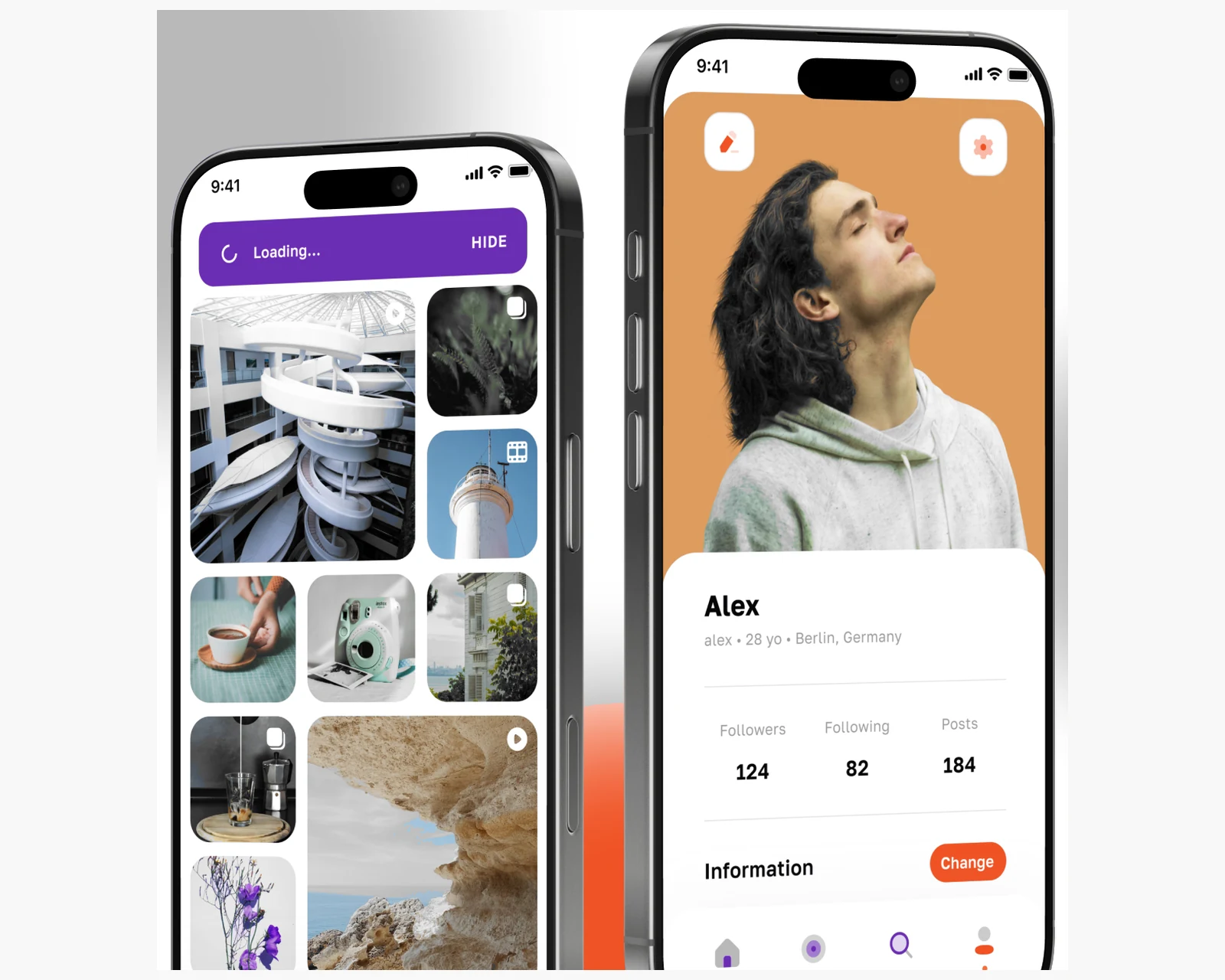
Production social platform — App Store + Google Play, live across the US and EU — with geo Radar, encrypted messaging and a virtual economy.
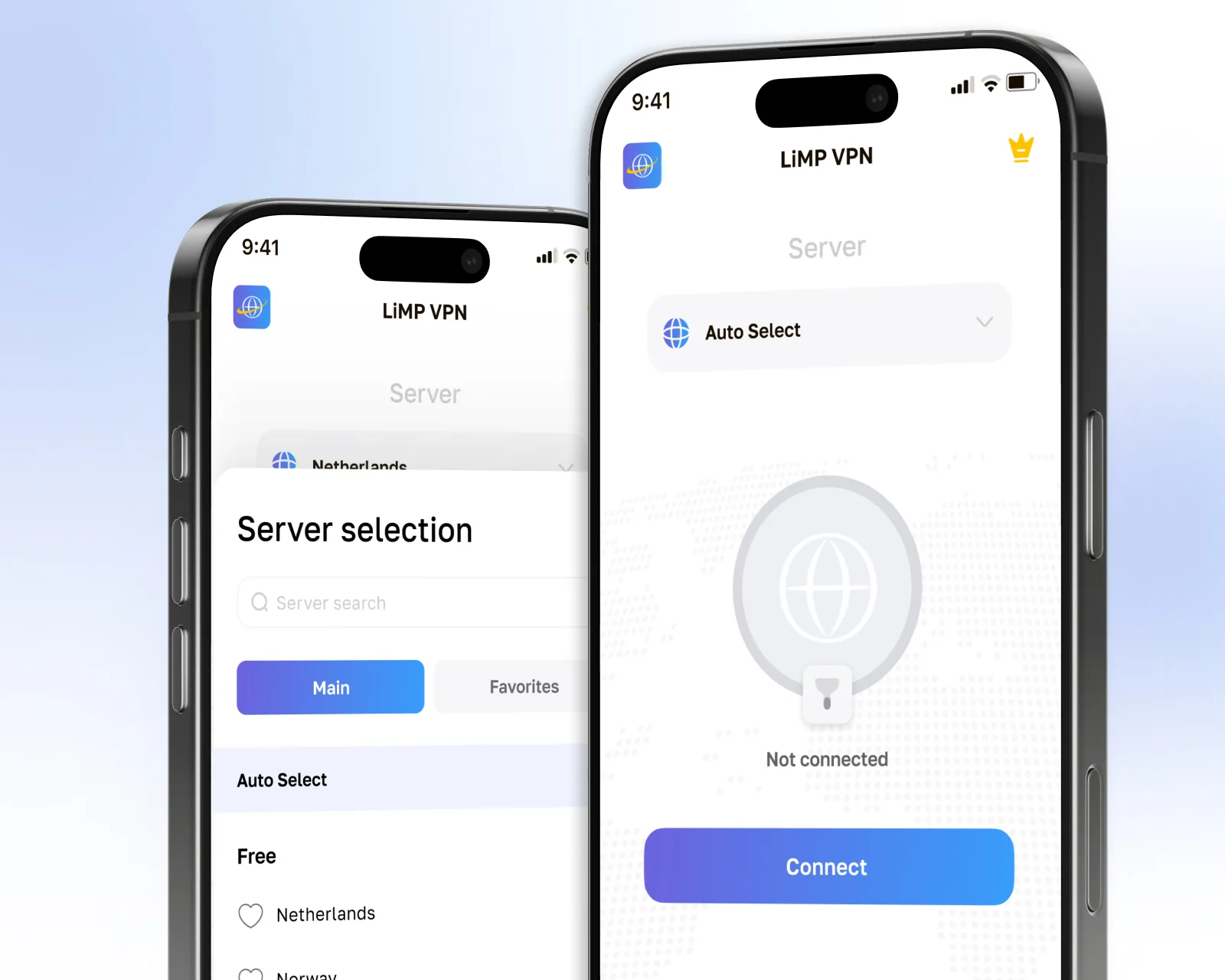
Consumer WireGuard VPN app for iOS and Android with zero-log architecture, launched across the US and EU.
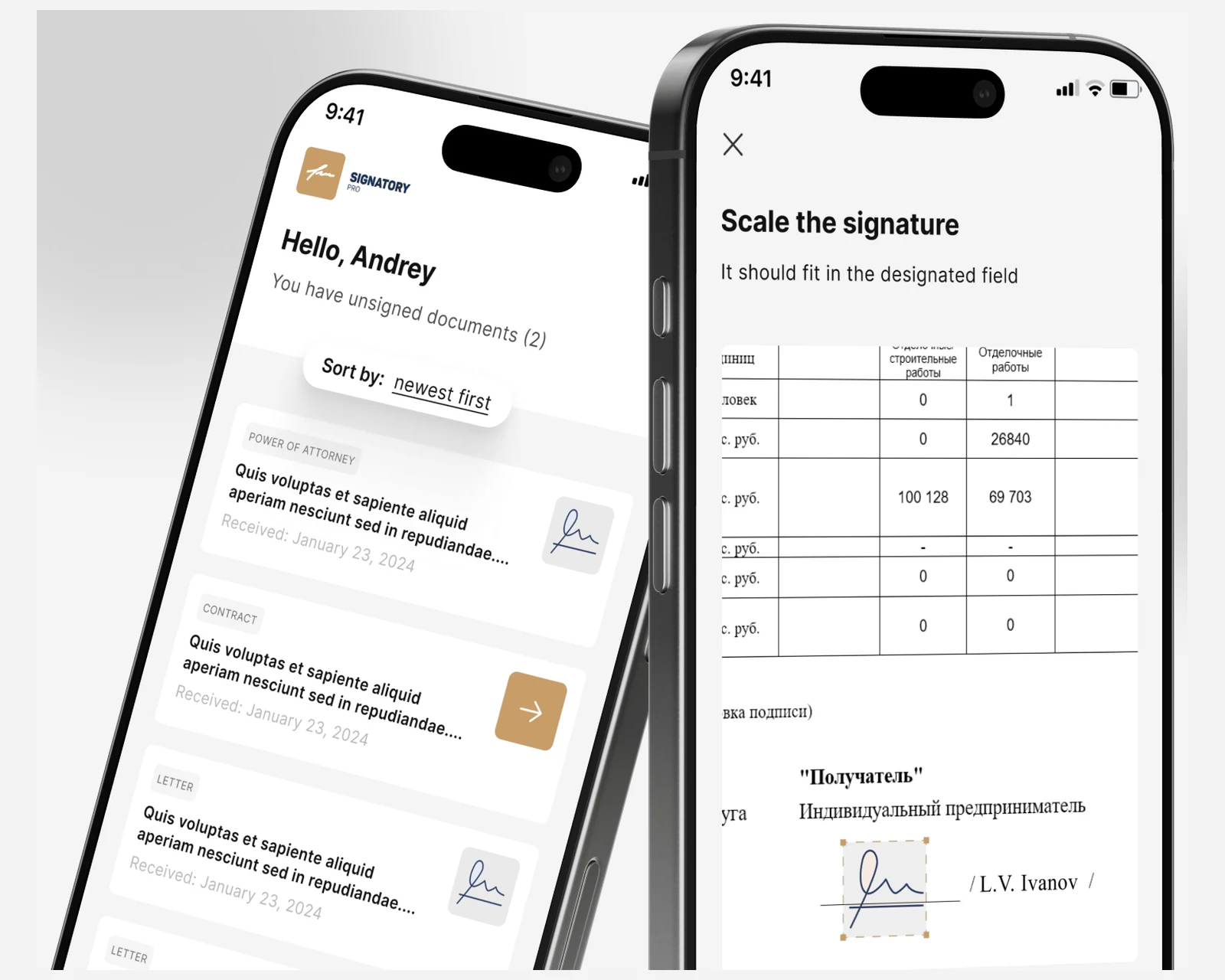
Native iOS and Android e-signature clients with a Symfony + React CRM for a cross-border law firm — KYC onboarding and a defensible evidence trail for US & EU matters.
Why YuSMP
We have shipped EAS Build / EAS Update pipelines for consumer and B2B apps on both stores — not just demos. We know the submission edge cases.
We design the update channel architecture before writing the first screen — so OTA deployments work reliably when it matters most.
We extend Expo's managed workflow with config plugins rather than ejecting — preserving OTA updates for the native-capable features you need.
FAQ
Managed workflow when you can cover all native requirements with Expo SDK or config plugins — it keeps OTA updates working for every feature. Bare workflow only when a native requirement truly cannot be handled via config plugins, which is rare with modern Expo SDK.
Yes — EAS Update bundles JavaScript and asset changes and delivers them directly to users. Native code changes always require a full app store submission. We design the update channel architecture so critical fixes reach users within minutes.
Yes, via EAS Submit. We configure code-signing credentials, generate the final binaries, complete the metadata and Data Safety forms, and manage review correspondence.
Yes — Expo SDK includes camera, biometric authentication, location, push notifications, contacts, calendar and many other device APIs. For APIs not in the managed SDK, we build config plugins that link native code without ejecting.
We version EAS Update channels to match the app binary version. Users on an older binary receive updates from the corresponding channel; users on the new binary receive the new channel's updates. No user gets an incompatible bundle.
Yes. Expo SDK 50+ includes Secure Store (Keychain/Keystore), LocalAuthentication, and Camera — sufficient for most FinTech and HealthTech requirements. Where regulated data handling is involved, we combine Expo with a HIPAA/PCI-compliant backend.
We use Expo Notifications and Tracking Transparency APIs with platform-specific consent flows — ATT prompt on iOS, UMP consent dialog on Android — unified behind a single consent management component.
Response within 1 business day. NDA on request.
Share a few details and a senior consultant will reply within one business day.