Reactivity pitfalls
Lost reactivity on destructured props, deep-watch overhead and accidental mutation of reactive objects cause subtle bugs that only surface at scale.

Vue 3 Composition API Pinia Nuxt-ready
We build production Vue 3 front-ends for US and EU companies — from data-dense dashboards to public-facing SPAs that must rank and convert. Our engineers ship typed Composition API components, Pinia stores and Nuxt-rendered pages that stay fast as the product grows. Every interface is accessible, privacy-aware and secured against XSS by default.

We build production Vue 3 front-ends for US and EU companies — from data-dense dashboards to public-facing SPAs that must rank and convert. Our engineers ship typed Composition API components, Pinia stores and Nuxt-rendered pages that stay fast as the product grows. Every interface is accessible, privacy-aware and secured against XSS by default.
Challenges
Lost reactivity on destructured props, deep-watch overhead and accidental mutation of reactive objects cause subtle bugs that only surface at scale.
Without clear store boundaries, shared state turns into tangled cross-component dependencies that are hard to test and reason about.
Server-rendered Vue can mismatch the client tree, throwing hydration errors and flashing content when state is not serialised correctly.
Eager imports, heavy UI libraries and unsplit routes inflate the bundle, pushing out Largest Contentful Paint on real-world devices.
Custom Vue widgets — modals, comboboxes, tabs — routinely ship without focus traps, ARIA or keyboard support, failing WCAG.
Client-only rendering leaves crawlers with an empty shell, so content-driven pages fail to index and rank without server rendering.
Solutions
We design typed, composable Vue 3 components with clear props and emits, documented in Storybook and reused across the product.
Pinia stores with typed actions and getters give predictable, modular state and DevTools-friendly debugging.
Nuxt 3 server rendering and hybrid rendering deliver indexable HTML and fast first paint with clean hydration.
Every interactive component ships with ARIA, focus management and keyboard support, verified against WCAG 2.2 AA.
Route-level code splitting, lazy components, Vite tuning and Core Web Vitals budgets keep the app fast as it grows.
Strict CSP, sanitised bindings, SRI and consent-gated scripts protect users and your data-collection footprint.
Stack
Vue 3, TypeScript, Vite, Composition API, Pinia, Vue Router, Nuxt 3, Vitest, Vue Test Utils, Playwright, Storybook, ESLint and Tailwind CSS.
Compliance
WCAG 2.2 AA accessibility · privacy-by-design · Content-Security-Policy · cookie-consent
Cases
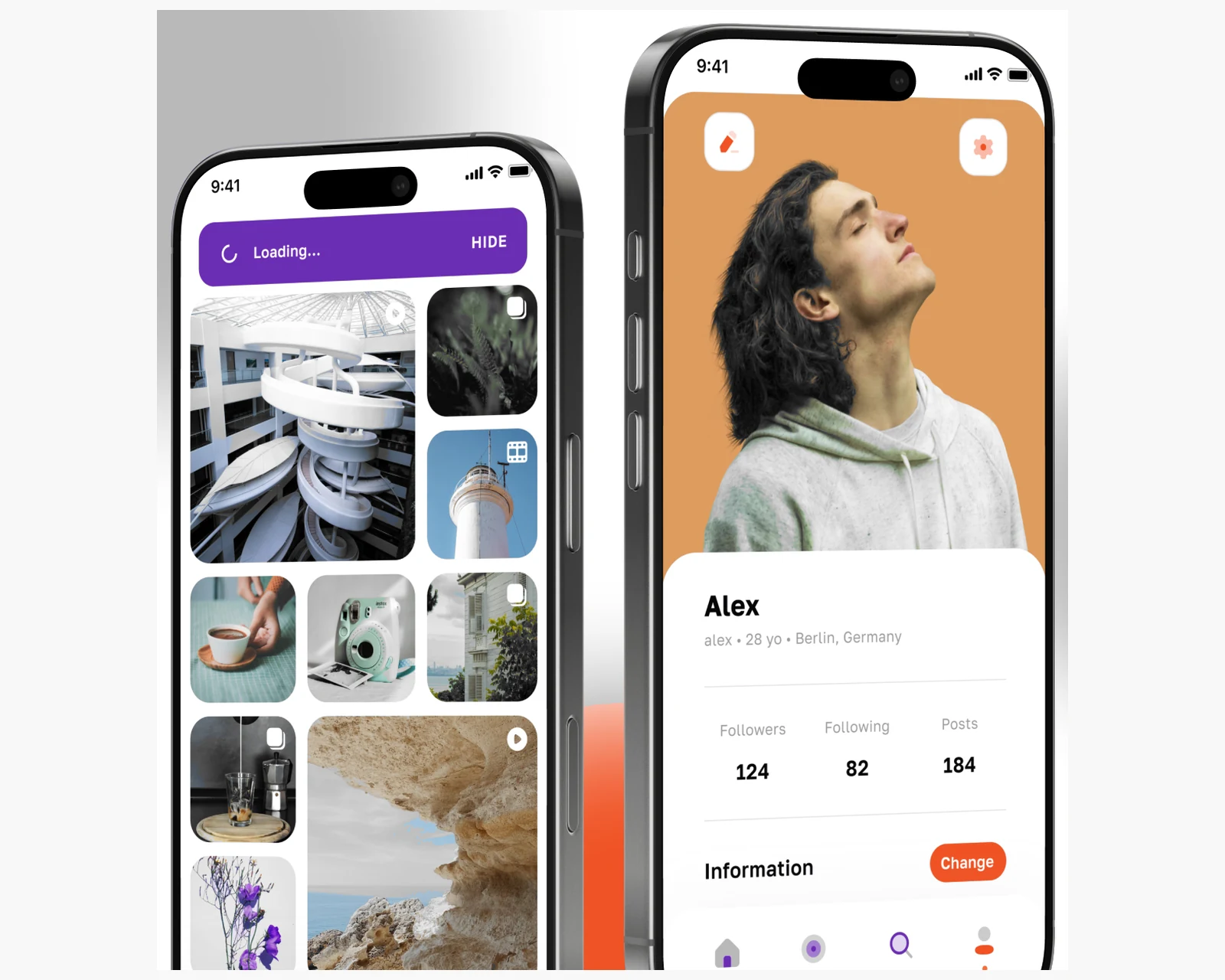
Production social platform — App Store + Google Play, live across the US and EU — with geo Radar, encrypted messaging and a virtual economy.
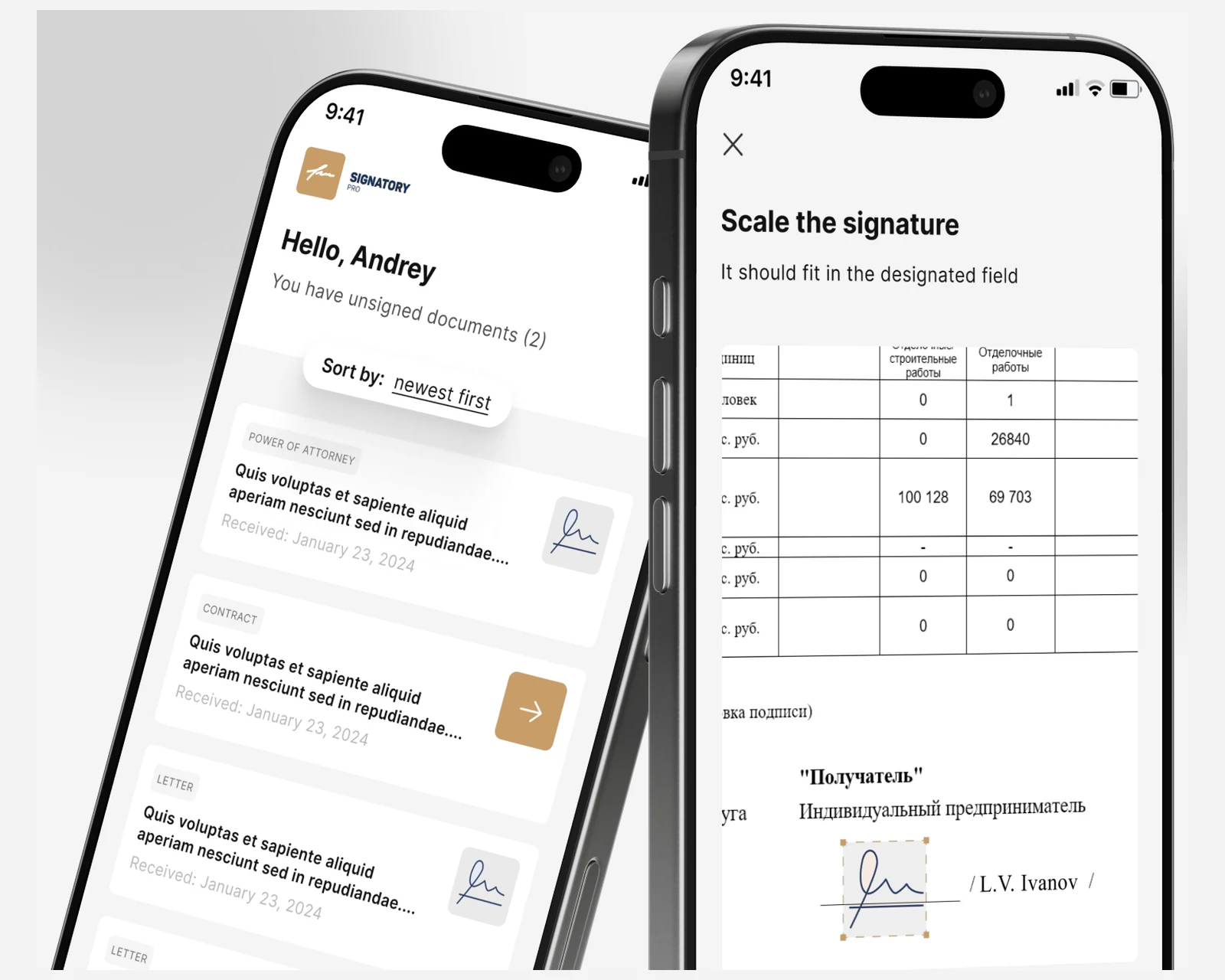
Native iOS and Android e-signature clients with a Symfony + React CRM for a cross-border law firm — KYC onboarding and a defensible evidence trail for US & EU matters.
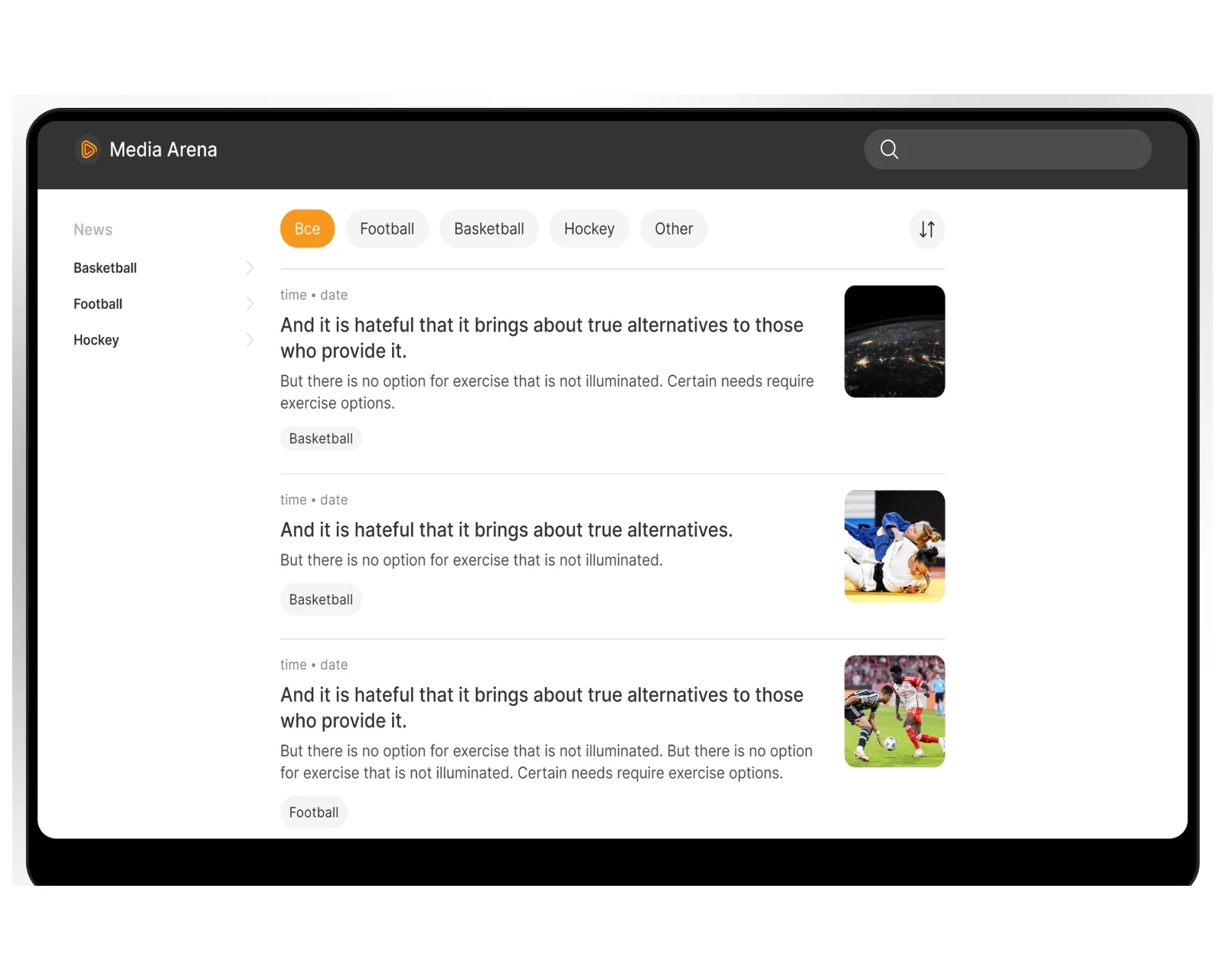
Cross-platform sports news app and web portal — Telegram-bot CMS instead of a custom admin, Markdown publishing pipeline.
Why YuSMP
You work directly with engineers who have shipped Vue 3 and Nuxt in production, not juniors learning on your project.
We work in overlapping hours with US and EU teams and build to ADA, GDPR and WCAG from day one.
Typed code, Vitest and Playwright coverage, accessibility checks and a hardened build pipeline come as standard.
FAQ
Both are excellent; the right choice depends on your team and constraints. Vue offers a gentler learning curve, a cohesive official ecosystem (Router, Pinia, Nuxt) and less boilerplate, which speeds delivery. We help you weigh hiring market, existing code and architecture before committing, and we are equally fluent in both.
For new Vue 3 work we default to the Composition API with <script setup> and TypeScript, because it gives better type inference and far cleaner logic reuse via composables. The Options API remains perfectly valid and readable for smaller components, and the two interoperate, so migration can be gradual rather than all-at-once.
Pinia is the official, recommended store for Vue 3 and what we use on new projects — it is fully typed, modular, lighter than Vuex and integrates with Vue DevTools. Vuex is in maintenance mode. If you have an existing Vuex codebase we can keep it running or migrate it to Pinia incrementally.
If your pages need to be indexed by search engines, shared with rich previews or render fast on first load, then yes — Nuxt 3 gives you server-side and hybrid rendering with minimal configuration. For an internal, authenticated dashboard a plain Vite SPA is usually simpler and sufficient. We assess this per project.
We build interactive components with correct semantics, ARIA roles, managed focus and full keyboard support, then test against WCAG 2.2 AA using automated tools and screen readers. This covers EU EAA / EN 301 549 and US ADA / Section 508 expectations, which is essential for public-facing products in both markets.
Yes. We typically start with the official migration build to run Vue 2 and 3 behaviour side by side, upgrade the toolchain to Vite, then move components to the Composition API and Vuex to Pinia incrementally. This keeps the app shippable throughout rather than freezing development for a big-bang rewrite.
A pure client-rendered SPA gives crawlers an empty shell, so for content and marketing pages we use Nuxt server or static rendering to deliver real HTML, managed meta tags, canonical URLs and structured data. Combined with performance budgets and clean Core Web Vitals, this lets Vue pages index and rank reliably.
Share a few details and a senior consultant will reply within one business day.