Migration Center assessment
mcdc collector deployed against VMware vCenter or cloud billing data, group analysis, TCO comparisons against GCE / GKE / Cloud Run / Cloud SQL, 7Rs decision matrix supplemented with our own eBPF dependency tracing.

Services
Google Cloud engagements that lean into what GCP is actually good at: BigQuery and the data stack, Cloud Run for stateless services, GKE Autopilot when Kubernetes is genuinely required, Vertex AI for managed Gemini and open-weight models. Terraform via the Cloud Foundation Toolkit on day one, Org Policy region pinning to EU regions, VPC Service Controls perimeters, EKM for sovereignty. Senior GCP engineers on CET with East-Coast US overlap. Fixed-scope, all-in USD pricing: individual services from $200, lift-and-shift from $1,800, re-platform from $4,100, a full exit off AWS/Azure/GCP from $5,800. IP transferred on day one, no recruitment markup, no tool surcharges.

Senior GCP engineers · Cloud Foundation Toolkit & Architecture Framework delivery · GDPR-aligned · ISO 27001 ready · SOC 2 Type II in progress · HIPAA-capable · CET workday with 9 AM–1 PM ET overlap
GCP punishes naïve patterns and rewards teams that pick the right primitive. Cloud Run scale-to-zero for stateless HTTP, GKE Autopilot only when Kubernetes is required, BigQuery as the analytical centre, Pub/Sub + Dataflow for streaming, Vertex AI for managed model serving. We design landing zones with the Cloud Foundation Toolkit, enforce region pinning at the org level (a developer cannot accidentally spin up Bedrock-equivalent in us-central1 when your data is supposed to stay in europe-west3), and wrap BigQuery and Cloud Storage in VPC Service Controls perimeters. EKM is on the table for sovereignty-critical keys. Sovereign Controls by Partner (T-Systems, Thales) when the regulator demands it. Multi-cloud or moving between providers? See our AWS migration and Azure migration practices, the broader cloud & DevOps engagement, or dedicated Kubernetes consulting for GKE-heavy estates.
mcdc collector deployed against VMware vCenter or cloud billing data, group analysis, TCO comparisons against GCE / GKE / Cloud Run / Cloud SQL, 7Rs decision matrix supplemented with our own eBPF dependency tracing.
Cloud Foundation Toolkit Terraform Example Foundation customized to your org, folder hierarchy by business unit, projects per environment, Cloud Identity federation, Org Policy guardrails, VPC Service Controls perimeters.
Stateless services to Cloud Run with min-instances tuning. Kubernetes workloads to GKE Autopilot (Standard only for GPUs and edge cases). Workload Identity Federation, Binary Authorization, Anthos Service Mesh when required.
BigQuery with partitioning + clustering by default, Editions slot reservations for predictable workloads, dbt for transformation, Pub/Sub + Dataflow for streaming, BigQuery Storage Write API for low-latency ingestion, BI Engine for sub-second dashboards.
Vertex AI Pipelines for MLOps, Model Garden for managed Gemini and open-weight models, Vertex AI Vector Search for embeddings, Feature Store, all wrapped in VPC Service Controls perimeters with EKM where attestation is required.
Billing export to BigQuery + Looker Studio dashboards, mandatory labels enforced via Org Policy, Committed Use Discounts strategy, BigQuery Editions vs on-demand split, Spot VMs on GKE for batch via Karpenter-style autoprovisioning.
Migration Center assessment, dependency mapping, target service decision per workload, CFT landing zone design, BigQuery / data platform architecture, cost model, migration waves with go/no-go gates.
CFT Terraform Example Foundation deployed, folder hierarchy, projects, Cloud Identity federation, Shared VPC, VPC Service Controls perimeters, Cloud KMS keyrings, Org Policies, Cloud Logging sinks to log-archive project.
Waves of services to Cloud Run / GKE Autopilot, database migrations via Database Migration Service to Cloud SQL or AlloyDB, BigQuery datasets onboarded with dbt models, monitoring dashboards in Cloud Monitoring + Looker Studio.
FinOps optimization, Committed Use Discounts purchased, BigQuery Editions slot reservations sized, Spot VM adoption, runbooks finalized, 30-day shadow on-call before your team owns operation solo.
Individual services
from $200
one-off · à la carte
Focused, à la carte GCP work: a landing-zone/Terraform module, a single BigQuery or Dataflow pipeline, a FinOps waste report or an IAM review, scoped on its own.
Lift-and-shift
from $1,800
one-off · rehost
Rehost an application onto Google Cloud with minimal change: Migrate to Virtual Machines, a Terraform landing zone, cutover runbook with rollback and post-move validation.
Re-platform
from $4,100
one-off · managed services
Move onto managed GCP services: GKE Autopilot / Cloud Run, Cloud SQL or AlloyDB via Database Migration Service, rebuilt CI/CD and observability, FinOps from day one.
Exit AWS/Azure/GCP
from $5,800
one-off · portable exit
A clean, portable exit off a cloud you are leaving: containerised, IaC-defined workloads and data extracted to your target platform with no lock-in.
What moves the number: estate size, the rehost-vs-replatform mix, compliance scope (GDPR / HIPAA / PCI DSS / EU data residency), and how much data has to move. Cloud fees run on your own accounts, so you keep the cost lever. You see the line-item budget before any work starts. Prices are indicative and fixed in a written quote for your scope.
NDA, DPA aligned to GDPR with SCCs, Access Transparency enabled, contractual no-vendor-lock-out clause — Terraform is yours from day one.
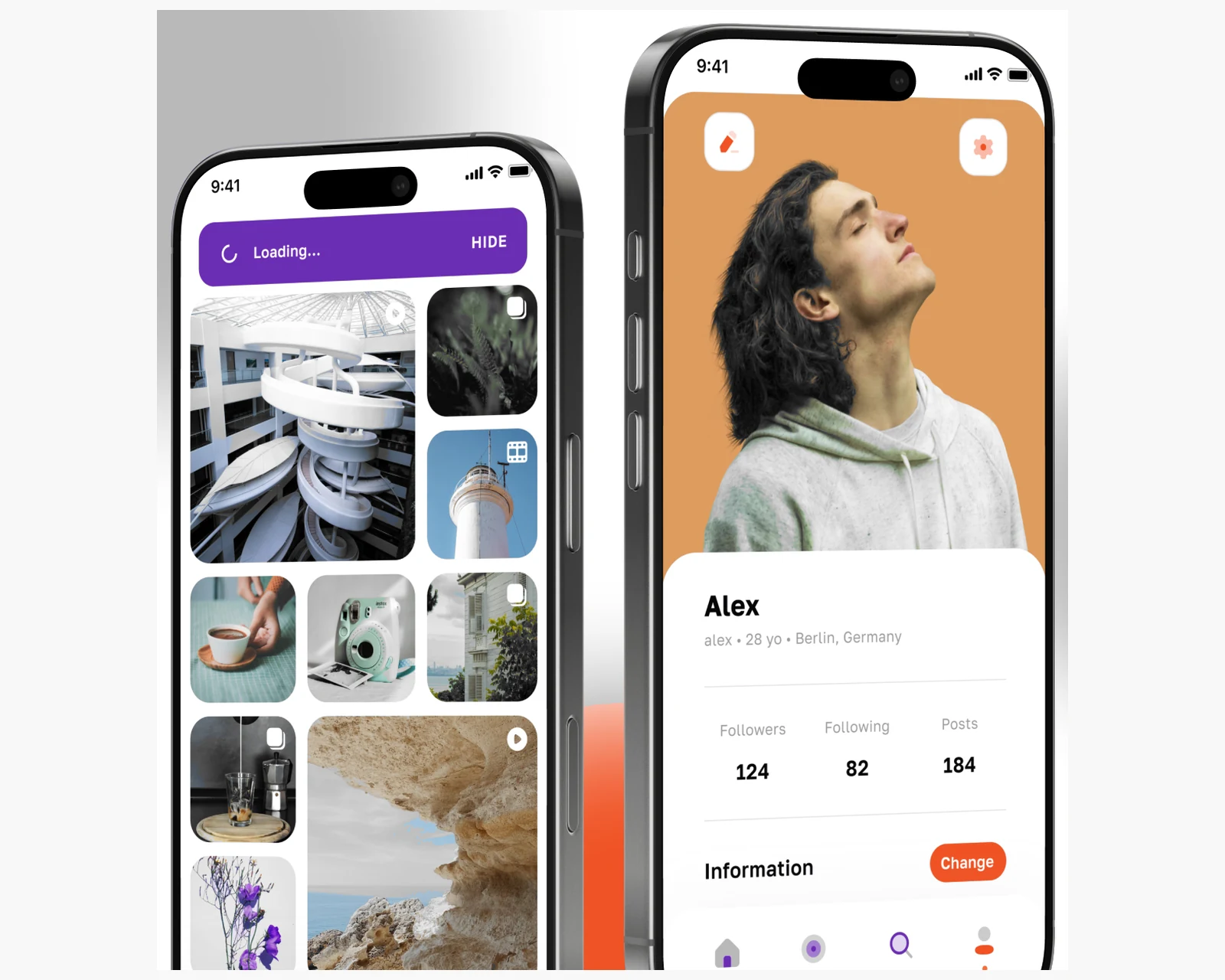
Production social platform — App Store + Google Play, live across the US and EU — with geo Radar, encrypted messaging and a virtual economy.
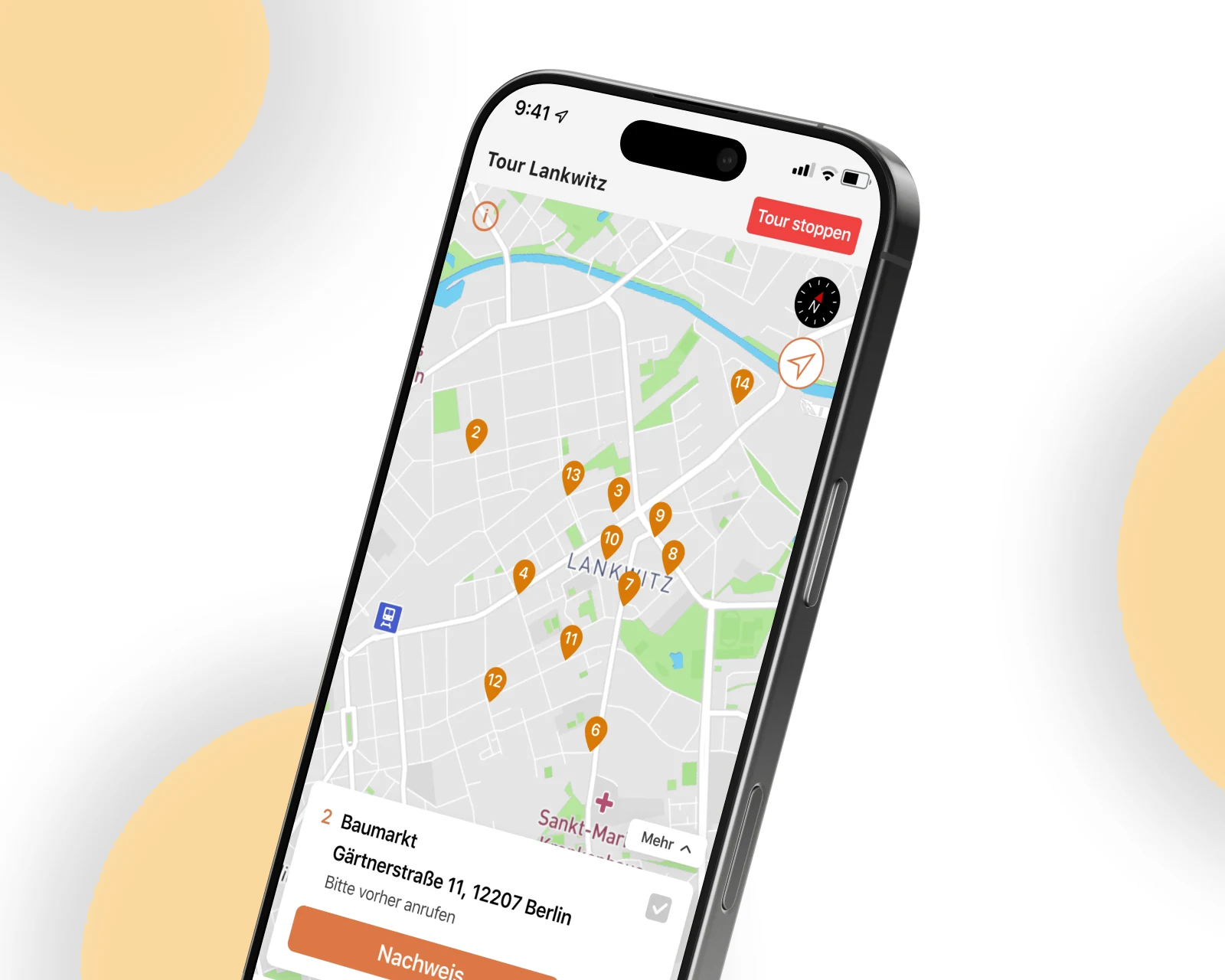
Android + iOS refactor and rebuild for a German last-mile logistics operator — multi-point route planning, real-time driver tracking and in-app invoicing live in the EU.
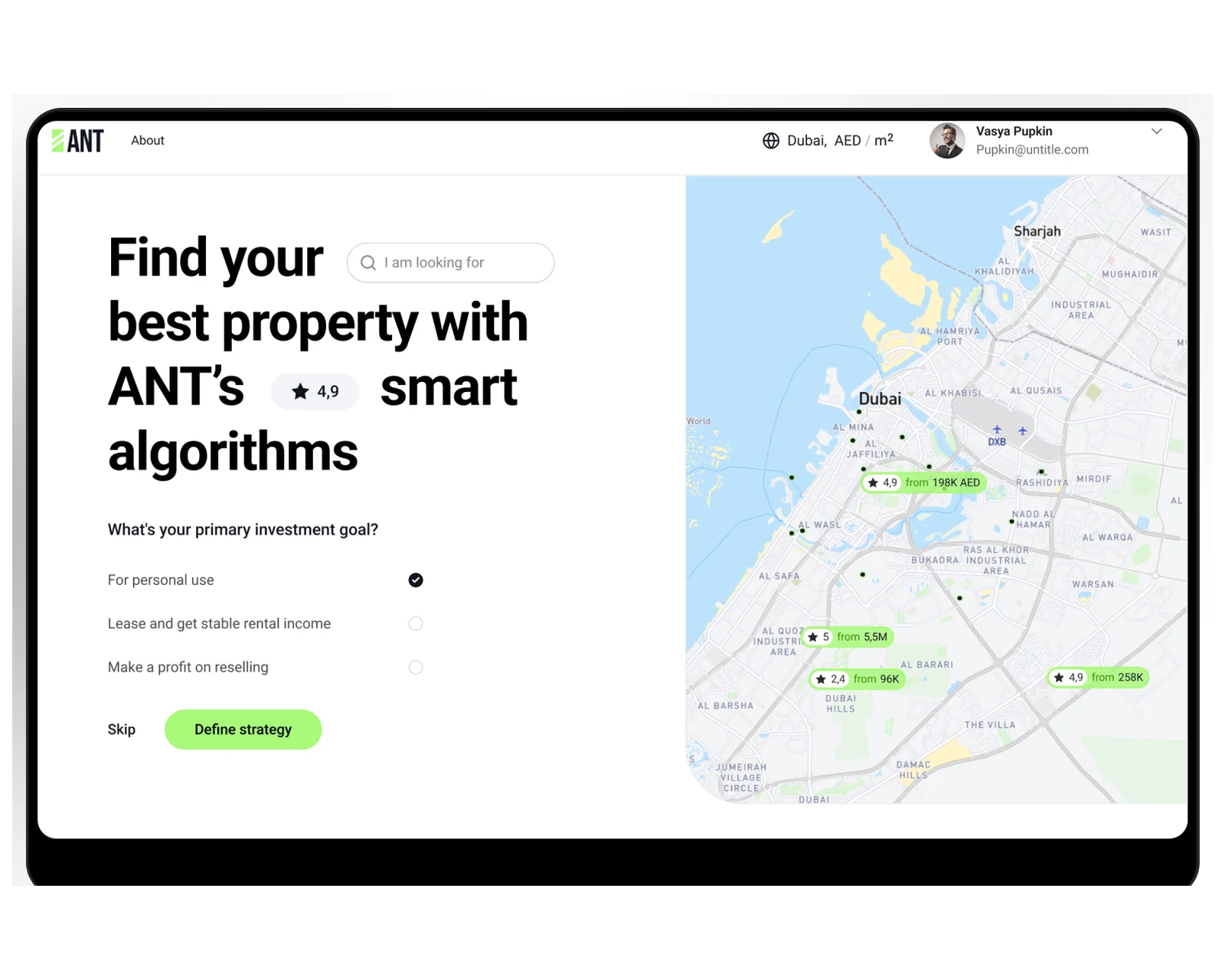
Property marketplace web platform with listing CMS, search and B2B admin console for US and EU operators.
Data residency, latency and compliance mean different things in each sector. We pair Cloud Foundation Toolkit landing zones and BigQuery-centred data engineering with industry-specific controls across US & EU markets.
VPC Service Controls perimeters around BigQuery and Cloud Storage, Org Policy region pinning, Confidential VMs and EKM for keys held outside GCP — the low-latency, audit-ready rigour behind our EverCoin Bank multi-exchange platform.
FinTech on GCP →HIPAA-capable, GDPR-aligned architectures with EU data residency in europe-west regions or US residency, documented data flows, VPC Service Controls around PHI datasets and Access Transparency logging.
HealthTech on GCP →Cloud Run and GKE Autopilot autoscaling for peak-season traffic, BigQuery + BI Engine for merchandising analytics and FinOps guardrails — the workload profile behind our REHAU B2B commerce build.
Retail on GCP →Pub/Sub + Dataflow real-time event pipelines, low-latency EU regions and resilient SRE for dispatch, tracking and routing systems — the profile behind our xRouten logistics app.
Logistics on GCP →Assured Workloads to pin data residency, personnel and support controls to a compliance regime, Sovereign Controls by Partner where the regulator demands operational sovereignty, Access Approval and Access Transparency so no Google engineer touches data without a logged, approved request — the audit posture public-sector and regulated bodies need on GCP.
GovTech on GCP →Multi-tenant isolation on GKE Autopilot or Cloud Run with per-tenant BigQuery datasets, usage metering for consumption billing, Cloud Run scale-to-zero to keep the margin on idle tenants, and a Google Cloud Marketplace listing so procurement can buy against committed spend — the profile that lets ISVs grow on GCP without the bill outrunning revenue.
SaaS on GCP →We are cloud-agnostic before the discovery, not after it. GCP is the correct answer for a specific set of workloads, not a religion — here is the honest decision line we use with clients weighing a move or a greenfield build.
Analytics is the centre of gravity — BigQuery's serverless separation of storage and compute genuinely has no equal on AWS or Azure. Also when you want request-driven serverless containers (Cloud Run beats Fargate and Container Apps on cold-start and price), when you are building on Gemini and Vertex AI, or when Kubernetes is your platform and you want the vendor that authored it (GKE Autopilot). If your data platform drives the business case, start here.
You need the widest catalogue of niche managed services and the deepest third-party ecosystem (AWS), or your estate is Microsoft-centric — Entra ID, Microsoft 365, SQL Server, .NET — and Azure's licensing (Azure Hybrid Benefit) and native integration lower the total bill (Azure). If your team's whole muscle memory is one platform, the migration cost can outweigh GCP's per-workload advantages. We will tell you when that is the case.
Deliberately — BigQuery + Vertex AI on GCP as the data and AI plane while the transactional app stays on AWS or Azure — not accidentally, from teams spinning up whatever they know. BigQuery Omni queries S3 and Azure Blob in place, and Cross-Cloud Interconnect keeps egress sane. We design multi-cloud as a decision with a cost model behind it, not as sprawl to clean up later.
The output of discovery is a per-application recommendation with a TCO number, not a pitch for a single vendor. Where GCP is not the strongest fit for a workload, we say so in writing.
GDPR-aligned · ISO 27001 ready · SOC 2 Type II in progress · HIPAA-capable · CCPA-acknowledged
We resist the "everything on GKE" pattern. Cloud Run for stateless HTTP, GKE Autopilot only when Kubernetes primitives are genuinely required, Cloud Run Jobs for batch. Result: lower complexity tax, lower bill, faster cutover.
europe-west1/3/4/9/12 default for EU data, Org Policy enforced at the root, VPC Service Controls perimeters around BigQuery and Cloud Storage, EKM for sovereignty-critical keys, Sovereign Controls by Partner when the regulator requires it.
Partitioning + clustering on every table, Editions slot reservations sized against actual workload, dbt for transformation with CI in your repo, BI Engine for the dashboards that matter. Not a six-figure monthly BigQuery bill nobody can explain.
For regulated workloads we deliver against the Google Cloud Architecture Framework and Security Foundations Blueprint, reviewed quarterly with the in-house team.
Aggregating live prices across multiple exchanges while keeping latency under 500 ms is genuinely hard engineering. YuSMP built the multi-exchange feed, real-time token charts, and listing workflow into a coherent platform. We have not had an outage since launch.
Real-time ERP sync for an auto-parts catalog is harder than it looks — prices shift hourly and the catalog changes constantly. YuSMP built a bidirectional 1C integration that just works, with a clean storefront customers navigate without friction.
GCP Migration Center (formerly StratoZone + Migrate for Compute Engine) is the primary discovery surface for VMware, AWS and Azure source estates. We deploy the mcdc collector, ingest VMware vCenter inventory or cloud billing data, and run group analysis to produce TCO comparisons against GCE, GKE Autopilot, Cloud Run and Cloud SQL targets. Output is a per-application 7Rs decision (Google's framing is similar to AWS's) with a defensible cost projection. We supplement Migration Center's app-layer blind spot with our own eBPF dependency tracing for two weeks where east-west traffic patterns matter.
Terraform via the official Cloud Foundation Toolkit (CFT) modules and Terraform Example Foundation as the starting point, customized to your org structure. We do not use Config Connector for foundation — it is fine for application-layer GCP resources inside GKE but adds blast-radius risk for org-level resources. Resource hierarchy is org → folders by business unit → environments (dev/stage/prod/security/logging) → projects. Identity is Cloud Identity or Workspace federated to your IdP (Okta, Entra ID), with mandatory just-in-time elevation via Privileged Access Manager for roles above viewer on production projects. Org Policies enforce region pinning, OS Login, and shielded VM requirements.
EU personal data lands in europe-west1 (Belgium), europe-west3 (Frankfurt), europe-west4 (Netherlands), europe-west9 (Paris), or europe-west12 (Turin) depending on latency and sovereignty requirements. For sovereign workloads we deploy on Sovereign Controls by Partner (T-Systems for Germany, Thales for France) where contractually needed. Org Policy enforces resource location constraints — denied at the org level, not the project level. For Schrems II compliance we use Confidential VMs (AMD SEV / Intel TDX), Cloud KMS with EKM (External Key Manager) for keys held outside GCP, VPC Service Controls perimeters around BigQuery and Cloud Storage, and SCCs in the DPA with Access Transparency logs enabled.
Cloud Run for stateless HTTP services where request-driven scaling and scale-to-zero matter — this is the cheapest correct answer for ~70 percent of microservices we see, and teams that pick GKE for those workloads are usually paying a complexity tax for nothing. GKE Autopilot when you genuinely need Kubernetes primitives (StatefulSets, sidecars, service mesh, custom CNI) but do not want to operate the node pool. GKE Standard only when you need GPUs, custom node configs, or workloads that exceed Autopilot limits. Cloud Run jobs for batch, Workflows for orchestration. We resist the default 'everything on GKE' pattern that adds 30 percent operational overhead for no benefit.
BigQuery is the strongest reason most teams pick GCP over AWS or Azure — serverless, separation of storage and compute, BI Engine for sub-second dashboards, and a sane SQL dialect. We design with partitioning + clustering by default, slot reservations (Editions) for predictable workloads, on-demand for spiky, and dbt for transformation. Streaming via Pub/Sub + Dataflow (Apache Beam) or BigQuery's Storage Write API for low-latency ingestion. For AI/ML, Vertex AI Pipelines for MLOps, Vertex AI Model Garden for managed Gemini and open-weight models, Vertex AI Vector Search for embeddings, with VPC Service Controls perimeters enforcing data boundary on all of it.
Fixed-scope, all-in USD pricing: individual services from $200, a lift-and-shift from $1,800, a re-platform from $4,100, and a full exit off AWS/Azure/GCP from $5,800. You see the line-item budget at the end of discovery and sign off before any code is written — no recruitment markup, no tool surcharges, and cloud fees run on your own accounts so you keep the cost lever. Timelines scale with estate size: a 150-VM estate with a BigQuery analytics layer typically completes in 4–6 months, with re-platform and data-platform work quoted per wave.
Often you should not move the whole estate, and we will say so. The defensible case for GCP is usually workload-specific: the analytics and AI plane (BigQuery + Vertex AI) is where the migration pays for itself, while a stable transactional app on AWS may cost more to move than it saves. Our discovery produces a per-application TCO comparison — source cost vs GCE, GKE Autopilot, Cloud Run and Cloud SQL targets — so the decision is a number, not a preference. Common outcomes are a targeted data-platform move to GCP with BigQuery Omni querying your S3 in place, or a full re-platform when the source bill and lock-in justify it. We do not have a quota to fill on migrations.
FinOps is built into the foundation, not bolted on afterwards. Committed Use Discounts and Sustained Use Discounts sized against real utilisation, Cloud Run scale-to-zero for idle services, BigQuery Editions slot reservations instead of runaway on-demand, budget alerts and Recommender waste reports wired to your team, and per-project/per-label cost attribution so every team owns its spend. Billing export lands in BigQuery with a Looker Studio dashboard you keep. The goal is a bill your finance team can read line by line — not a six-figure BigQuery invoice nobody can explain. Cloud fees run on your own billing account throughout, so you hold the cost lever from day one.
Yes — most engagements are collaborative, not takeover. We work inside your GitLab/GitHub, submit Terraform via merge request with your review, pair with your engineers on the landing zone so knowledge transfers as we go, and document every decision in an architecture decision record. Handover includes runbooks, the Terraform repo you already own, and a walkthrough of the Cloud Foundation Toolkit structure. Teams that want to run GCP themselves afterwards keep everything they need to; teams that want ongoing SRE can retain us per wave. Either way there is no dependency on us to operate what we build.
None. The GCP organisation, projects and billing account are yours and live under your Cloud Identity from the start — we operate with granted, time-boxed access via Privileged Access Manager, not as owners. All infrastructure is Terraform in your repository, all pipelines in your CI, all documentation in your wiki. The contract carries an explicit no-vendor-lock-out clause: you can revoke our access and continue with any other team or in-house without a rebuild. We deliberately avoid proprietary tooling or bespoke scripts that only we can maintain.
The engineers on delivery hold Google Cloud Professional certifications across the relevant tracks — Cloud Architect, Data Engineer, DevOps Engineer and Security Engineer — and the team works to the Google Cloud Architecture Framework and Security Foundations Blueprint as standard. We build against Google's own reference patterns (Cloud Foundation Toolkit, Terraform Example Foundation) rather than home-grown equivalents, and for regulated workloads we align to the Google Cloud security best-practices centre and review quarterly. On top of GCP-specific rigour we run to ISO 27001-ready and SOC 2 Type II (in progress) internal controls, GDPR-aligned processing with SCCs, and HIPAA-capable delivery for health data.
DR is designed to your RTO/RPO, not to a template. Options we architect: multi-zone by default for high availability inside a region, regional failover for stateful data (Cloud SQL cross-region replicas, AlloyDB, Spanner multi-region for zero-RPO), and cross-region backup with Backup and DR Service. Object durability via dual-region or multi-region Cloud Storage buckets, BigQuery dataset replication where analytics must survive a region loss, and infrastructure that is fully re-creatable from Terraform so a region rebuild is a pipeline run, not a manual scramble. We document the runbook, define the failover trigger, and where the budget justifies it we run a game-day to prove the RTO number is real rather than aspirational.
Practical guides on GCP, cloud migration, and enterprise system integration.
Share a few details and a senior consultant will reply within one business day.