Services

Magento Development Services for US & EU Merchants

Senior Magento and Adobe Commerce engineers running Magento 2.4.x on AWS for merchants who outgrew SaaS commerce. PHP 8.3, ECS Fargate or EC2 + Auto Scaling Groups, RDS MySQL 8.0, ElastiCache Redis, OpenSearch 2.x, CloudFront, RabbitMQ async indexers, Terraform IaC, blue-green deploys. Adobe Commerce B2B with companies, shared catalogs, negotiable quotes, requisition lists. PWA Studio (Venia) or headless on Next.js/Remix consuming the Magento GraphQL API. Every developer is current on Adobe Certified Expert program tracks (AD0-E703, AD0-E709). Fixed-scope, all-in USD pricing: a starter store from $1,100, a corporate store from $2,900, a full online store from $5,800 and a marketplace or portal from $10,400 — with IP transferred to you on day one.

Magento and Adobe Commerce development for US and EU merchants
9+Years in business
80+Senior engineers on staff
120+Projects delivered
71Client NPS

Adobe Certified Experts (AD0-E703, AD0-E709) · GDPR-aligned · ISO 27001 ready · SOC 2 Type II in progress · HIPAA-capable · CCPA-acknowledged · CET workday with 9 AM–1 PM ET overlap

Magento and Adobe Commerce are still the right answer for a specific kind of merchant: high SKU count, complex B2B pricing, multi-website with per-store-view tax and catalog logic, deep ERP integration, and a need to own the data and the stack. Shopify Plus does not fit every merchant, and a custom commerce build is rarely justifiable when Magento ships 80 percent of the surface out of the box. Where we add value is in the parts everyone gets wrong: AWS topology that survives Black Friday, MQ-based async indexers that do not lock the database, GraphQL schema extensions that the headless frontend can actually consume, and ERP sync with proper idempotency. Magento 2.4.x is mature — treat it like one.

What's inside a Magento engagement

Custom modules + extensions

PHP 8.3 modules following Magento 2 module structure, dependency injection over rewrites, proper use of plugins/observers, GraphQL schema extensions for headless, and CI test coverage with the Magento Functional Testing Framework (MFTF).
AWS infrastructure

ECS Fargate or EC2 Auto Scaling Groups, ALB, RDS MySQL 8.0 with read replicas, ElastiCache Redis for session/cache, OpenSearch 2.x for catalog index, S3 + CloudFront, RabbitMQ or Amazon MQ for async, Terraform IaC, blue-green deploys.

Adobe Commerce B2B

Companies with hierarchies, role-based permissions, shared catalogs scoped by company/tier, requisition lists, negotiable quotes with multi-round messaging, purchase orders, credit limits, and custom UI extensions where the standard B2B surface ends.

PWA Studio + headless

PWA Studio (Venia) for the Adobe-supported path, or Next.js / Remix headless storefronts consuming the Magento GraphQL API with Algolia or Klevu for search and Stripe or Adyen for payment fields outside the Magento payment surface.

ERP + 3PL integration

SAP S/4HANA, Oracle NetSuite, Microsoft Dynamics 365, Infor, Odoo via GraphQL/REST. Async ERP sync via RabbitMQ consumers with retry queues and idempotency keys. 3PL integration (ShipStation, ShipBob, custom WMS) with reservation API.

Version upgrades + security

Magento 2.4.4 → 2.4.7 upgrades with proper composer.lock discipline, database migration, third-party module compatibility audit, and security patches (APSB) applied on schedule. PCI DSS scope reduction with hosted payment fields.

Magento surface we cover

Magento Open Source 2.4.x Adobe Commerce 2.4.x Adobe Commerce Cloud (Pro/Starter) PHP 8.3 MySQL 8.0 (RDS) Redis (ElastiCache) OpenSearch 2.x / Elasticsearch 7.17 RabbitMQ / Amazon MQ AWS (ECS, EC2, ALB, CloudFront, S3) Terraform IaC Magento GraphQL API REST + SOAP APIs PWA Studio (Venia) Next.js / Remix headless Algolia / Klevu search Adobe Commerce B2B MSI (Multi-Source Inventory) Page Builder MFTF + PHPUnit Adobe Certified Experts

How a Magento engagement works

  1. 01

    Platform audit

    Week 1: full audit covering Magento version, installed modules and their compatibility, custom code quality, database health, indexer state, AWS topology, third-party integrations, and security patch status. Written report with risk tiers.

  2. 02

    Architecture + roadmap

    Weeks 2–3: AWS topology design or migration plan, GraphQL schema extension plan, B2B configuration design, and a 90-day priority backlog. Sign-off from merchant and infra owner before any production change.

  3. 03

    Build + deploy

    Sprint cadence: modules, infra, integrations. All code in Git with Composer dependency discipline, blue-green deploys to staging then production, `bin/magento setup:upgrade` and indexer reindex orchestrated through the deploy pipeline.

  4. 04

    Operate + iterate

    Weekly demo, monthly merchant review, New Relic APM dashboards, database slow-query monitoring, OpenSearch index health, security patch tracking (APSB), and quarterly roadmap recalibration against the Adobe release calendar.

Engagement models

Fixed-scope store build

Default for a defined deliverable: a starter or corporate store, a full production store, or a marketplace/portal. Fixed scope, fixed all-in USD price, signed off at the end of discovery before any code is written.

Integration sprint

A scoped, defined-output sprint: a Magento version upgrade (e.g. 2.4.4 → 2.4.7), an ERP integration build, an AWS infrastructure migration, or an Adobe Commerce B2B module rollout. Priced against the deliverable in USD.

Maintenance retainer

Security-patch (APSB) application on schedule, third-party module updates, indexer health monitoring, slow-query review and on-call for production incidents — billed monthly per named seat. Best after a major implementation.

Three-month minimum on retainers, month-to-month thereafter with 30 days notice. NDA, DPA, and IP assignment signed before kickoff.

What a Magento Store Costs

Most Magento agencies keep the number for a sales call. Below are our fixed-scope tiers by store type — we name the exact quote after a free scope assessment. Pricing is all-in and quoted in USD, with no recruitment markup, no tool surcharges and no hidden fees. You see the line-item budget before any code is written and sign off on it.

Starter store

from $1,100

First Magento 2.4.x store

Theme setup, core catalogue and checkout, hosted payment fields for SAQ-A PCI scope and a clean go-live.

Corporate store

from $2,900

Branded, merchandised

Custom theme or Online Store sections, multi-page content, category and product merchandising, EU VAT and per-store-view tax.

Full online store

from $5,800

Production + integration

Custom modules, Multi-Source Inventory, layered navigation, a payment and shipping stack, and an ERP or 3PL integration.

Marketplace / portal

from $10,400

Multi-website / B2B

Adobe Commerce B2B — companies, shared catalogs, negotiable quotes, headless or PWA Studio storefront, and AWS topology.

What moves the number: which edition you run (Magento Open Source on our AWS stack vs Adobe Commerce on-prem vs Adobe Commerce Cloud each carry different licensing, module and deploy-flow work); catalog and traffic scale (SKU count, MSI source complexity and whether you clear Black Friday spikes on Auto Scaling Groups + read replicas); how much Adobe Commerce B2B you switch on (companies, shared catalogs, negotiable quotes, requisition lists and custom approval workflows each add configuration and UI work); ERP and 3PL integration depth (SAP S/4HANA, Oracle NetSuite, Dynamics 365, Infor or Odoo via async RabbitMQ consumers with retry queues and idempotency keys); frontend path (staying on Luma vs PWA Studio vs a headless Next.js/Remix cutover that re-implements 15 years of native features); and EU compliance scope (per-store-view VAT with intra-EU reverse charge, OSS/IOSS, PCI DSS SAQ-A via hosted payment fields, GDPR Article 30 documentation). AWS, Adobe licensing and third-party module fees are billed on your own accounts, so you keep the cost lever. Prices are indicative and fixed in a written quote for your specific scope.

Industries We Build Magento Stores For

Magento earns its keep where catalogs, pricing and compliance get complicated. We pair certified Adobe Commerce engineering with domain-specific reality across US & EU markets, and share delivery with our enterprise integration and cloud & DevOps teams when the store fronts an ERP or needs an AWS topology that survives peak season.

E-commerce & Retail

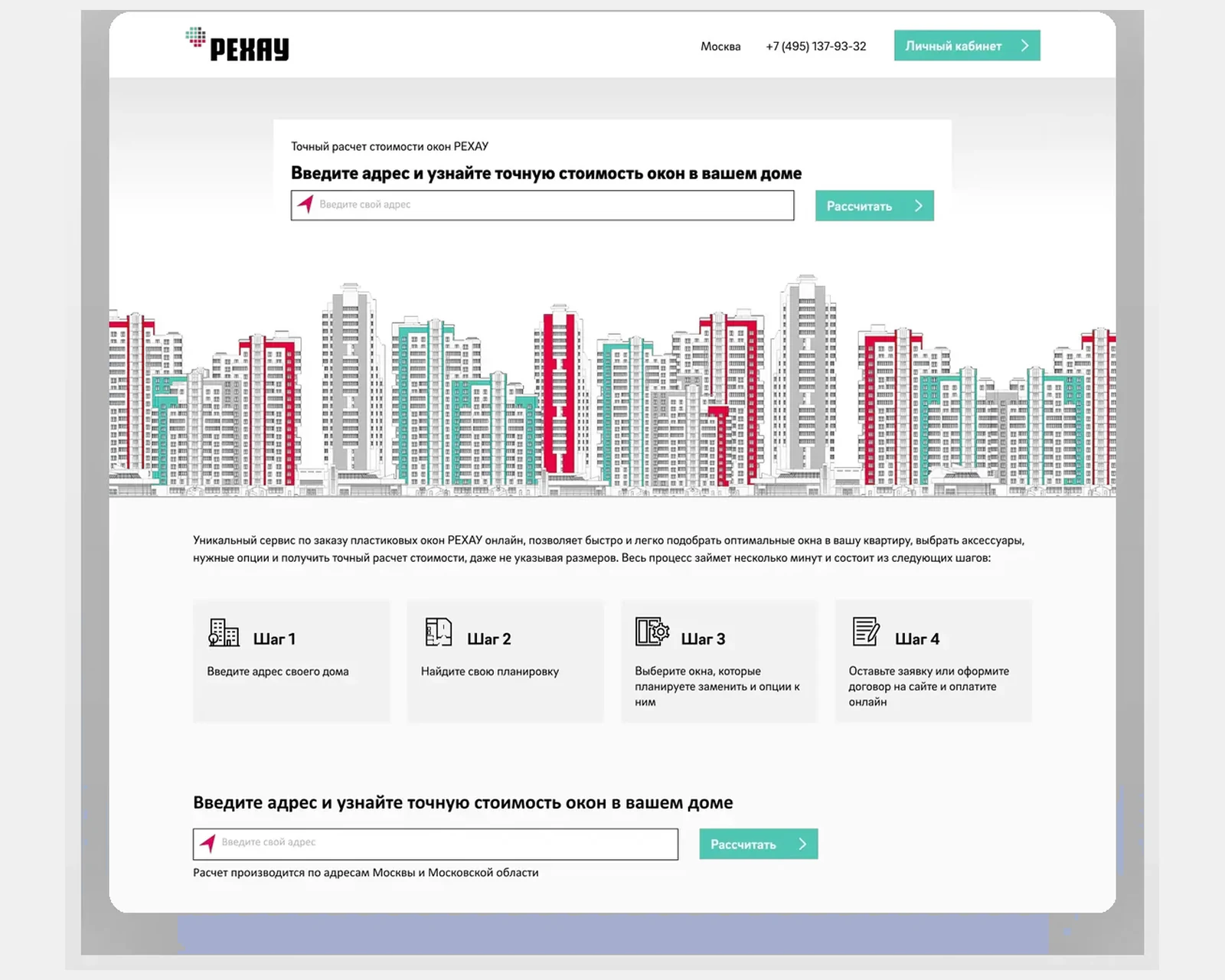
High-SKU B2C and B2B catalogs on Magento 2.4.x — Multi-Source Inventory, per-store-view tax, layered navigation and hosted payment fields for SAQ-A PCI scope. The commerce surface behind builds like our REHAU dealer platform.

Retail commerce →

Manufacturing & B2B

Adobe Commerce B2B for manufacturers: company accounts, dealer pricing tiers, product configurators, negotiable quotes and requisition lists — the model we shipped for REHAU, a global polymer manufacturer, where portal order volumes doubled in year one.

Manufacturing B2B →

RetailTech & Omnichannel

Multi-website Magento with real-time inventory sync to offline stores, ERP-backed pricing and omnichannel fulfillment — the kind of retail backend behind our Malish build with native apps and 1C ERP integration.

Omnichannel retail →

Logistics & Fulfillment

3PL and warehouse integration (ShipStation, ShipBob, custom WMS) through the Magento reservation API, with async ERP sync over RabbitMQ consumers using retry queues and idempotency keys so orders never double-book stock.

Fulfillment integration →

Distribution & Wholesale B2B

Multi-tier dealer pricing, company-specific catalogs, purchase-order approval chains and negotiable quotes are the core Adobe Commerce B2B surface. We configure company accounts with hierarchical structures, shared catalogs scoped by dealer tier, credit limits, and requisition lists, then sync order data to ERP via async RabbitMQ consumers with idempotency keys — so distributor orders never double-book stock during peak season.

Wholesale B2B →

Fashion & Direct-to-Consumer

Size and color matrix catalogs, loyalty programmes, gift card support, Instagram Shopping feeds and a headless PWA Studio or Next.js storefront that scales on Auto Scaling Groups for Black Friday spikes. We ship D2C Magento stores with Stripe-hosted payment fields (SAQ-A PCI scope), EU OSS/IOSS VAT compliance per store view, and a GDPR-aligned cookie consent layer that does not break CloudFront full-page cache.

Fashion D2C →

View all industries →

Why US & EU merchants pick YuSMP for Magento

GDPR-aligned · ISO 27001 ready · SOC 2 Type II in progress · HIPAA-capable · CCPA-acknowledged

Adobe Certified Experts

Every senior developer holds current Adobe Certified Expert credentials (AD0-E703 Adobe Commerce Developer Expert, AD0-E709 Adobe Commerce Architect Master) and we follow the official Adobe Commerce development methodology.

AWS-native operations

We own the AWS topology, write the Terraform, run blue-green deploys, and respond to incidents at 3 AM CET when Black Friday traffic spikes. No black-box managed Magento host between us and your infrastructure.

Compliance-fluent

GDPR for the EU stores, PCI DSS scope reduction via hosted payment fields (SAQ-A scope), per-website cookie consent integrated with the FPC, EU VAT including reverse charge for B2B intra-EU, OSS/IOSS, and Article 30 documentation for your DPO.

For high-AOV B2B merchants we run a separate quote-to-order fraud review and design custom Adobe Commerce B2B approval workflows that integrate with your finance team's approval matrix.

What clients say

Retail apps need to be fast and fault-tolerant with real-time inventory sync to offline stores. YuSMP built native Swift and Kotlin apps with ElasticSearch search, 1C ERP integration, and a two-tap checkout our customers genuinely love.
Laura Bennett, E-commerce Director, MalishView case →
B2B commerce for a polymer products brand means complex product configurators, dealer pricing tiers, and order workflows that non-technical buyers must navigate. YuSMP built a platform our dealers adopted without a single training session. Order volumes through the portal doubled in year one.
Stefan Neumann, Head of E-Commerce, REHAUView case →

Frequently asked questions

Do you work in Magento Open Source, Adobe Commerce, or Adobe Commerce Cloud?

All three, with different operational realities. Magento Open Source 2.4.7+ runs on our own AWS architecture (ECS Fargate or EC2 Auto Scaling Groups + RDS MySQL 8.0 + ElastiCache Redis + OpenSearch 2.x + CloudFront) and we own the full stack. Adobe Commerce on-prem adds B2B module, page builder, advanced reporting, and Adobe support for the same self-hosted topology. Adobe Commerce Cloud (Magento Commerce Cloud) is the managed Pro/Starter offering on Fastly + New Relic + AWS underneath — we work within the magento-cloud CLI deploy flow and the cloud.yaml/services.yaml constraints. Pick the right one based on traffic profile, B2B requirements, and how much infra ownership your team can carry.

Why AWS rather than a managed Magento host?

For most merchants over 50k orders/month, AWS gives a better cost-to-performance curve than managed Magento hosts. We run Magento 2.4.x on ECS Fargate or EC2 + Auto Scaling Group behind an ALB, RDS for MySQL 8.0 with read replicas, ElastiCache Redis for session/cache backend, OpenSearch (or self-hosted Elasticsearch 7.17) for the catalog index, S3 + CloudFront for media and full-page-cache, MQ via RabbitMQ on EC2 or Amazon MQ for async indexers, and a separate admin instance behind a VPN. We write the Terraform, run blue-green deploys with bin/magento setup:upgrade discipline, and own the Varnish layer when CloudFront full-page-cache is not enough.

Can you build PWA Studio storefronts or headless frontends on top of Magento?

Yes. PWA Studio (Venia) is the official Adobe answer and we ship it for clients who want the Adobe-supported path. For clients who want more frontend freedom we build headless on Next.js or Remix consuming the Magento GraphQL API, with Algolia or Klevu for search instead of native Magento search, and Stripe or Adyen for payment instead of the Magento payment surface. Either way the cutover from Luma theme to headless needs an honest TCO conversation: native Magento has 15 years of features (layered navigation, product compare, gift card support, B2B quoting) that you will re-implement in the frontend. We run that audit before recommending a path.

Do you handle Adobe Commerce B2B (companies, shared catalogs, requisition lists, quoting)?

Yes. Adobe Commerce B2B is mature: company accounts with hierarchical structures, company users with role-based permissions, shared catalogs scoped by company or company tier, requisition lists, negotiable quotes with multi-round messaging, purchase orders, and credit limits. We configure all of it, extend it where the standard UI is not enough (custom Knockout UI components for the B2B account section, or full headless replacements), and integrate to your ERP (SAP S/4HANA, Oracle NetSuite, Microsoft Dynamics 365, Infor, Odoo) via the GraphQL Admin API or REST. Async ERP sync runs through RabbitMQ consumers with retry queues and idempotency keys.

How do you handle GDPR, PCI DSS and multi-store EU compliance?

Magento 2.4.x ships GDPR features (data download, data deletion, consent log) — we configure them correctly and extend where needed. PCI DSS scope is minimized by using hosted payment fields (Adyen, Stripe, Braintree) so card data never touches your Magento server, which keeps you in SAQ-A scope rather than the full SAQ-D. For multi-store EU we configure per-store-view tax rules with EU VAT including reverse charge for B2B intra-EU, OSS/IOSS handling, and per-website cookie consent that integrates with the page-builder cache. We sign a DPA and document the Article 30 record of processing for your DPO. GDPR-aligned · ISO 27001 ready · SOC 2 Type II in progress.

What is the engagement model and how do you price Magento/Adobe Commerce work?

Fixed-scope and all-in, quoted in USD, tiered by the store you build. A starter Magento 2.4.x store runs from $1,100; a branded corporate store from $2,900; a full production store with custom modules, MSI and an ERP or 3PL integration from $5,800; a multi-website or Adobe Commerce B2B marketplace/portal from $10,400. The exact number depends on which edition you run, catalog and traffic scale, how much Adobe Commerce B2B you switch on, ERP/3PL integration depth and EU compliance scope. You see the line-item budget at the end of discovery and sign off before any code is written — no hidden fees, no recruitment markup, no tool surcharges, and AWS and Adobe licensing run on your own accounts. Every developer is current on Adobe Certified Expert program tracks (AD0-E703, AD0-E709).

How long does a migration from WooCommerce or Shopify to Magento take?

A migration carrying the full catalog, customer accounts and order history typically runs 8–14 weeks. Week 1 is a platform audit: we map every product attribute, custom WooCommerce plugin or Shopify app to a Magento equivalent or a custom module, and flag gaps upfront. Weeks 2–4 cover AWS environment setup and ETL script development. Weeks 5–10 run parallel stores — data is migrated in batches, tested for parity, and re-migrated on a delta basis until the delta window drops below one hour. Cutover takes a 30–90 minute maintenance window; the old store stays read-only for 30 days while SEO redirects (301 mapping) are validated and indexed. What extends the timeline: a large custom checkout flow, a marketplace with seller accounts, or a 3PL integration that needs re-coding from a plugin to a proper Magento async consumer.

What is the real total cost of ownership of headless Magento vs Luma?

A headless PWA Studio or Next.js build starts 40–60 percent more expensive than a Luma store upfront, and the maintenance gap widens because Magento ships 15 years of native features — layered navigation, product compare, gift card support, B2B quoting, wishlist sharing — that you re-implement in the headless layer, typically twice (mobile web and desktop). Where headless pays back: a brand with strict design systems that cannot use Luma components, very high organic traffic where Core Web Vitals directly move revenue, or a team that wants React/Vue engineers rather than PHP + Knockout developers on the frontend. We audit every native Magento feature your catalog actually uses before recommending a headless path, so you know what you are buying before committing to the rewrite.

How does Magento Multi-Store work and how long does setup take?

Magento’s multi-store architecture has three tiers: Website (isolated root URL, its own customer database and payment gateway scope), Store (catalog scope — categories, products, MSI sources), and Store View (language, locale and currency display). A US + Germany + France deployment typically uses one Website per country, one Store per catalog range, and one Store View per language. Per-store-view scope controls tax rules (EU VAT with reverse charge for B2B intra-EU, OSS/IOSS), pricing, catalog visibility, CMS pages and cookie consent. Setup — from environment provisioning through Nginx/CloudFront routing and the first per-store-view tax rule — runs 3–5 weeks for a two-website scope; each additional Website adds roughly 1–2 weeks of configuration and integration work.

How often should we apply Magento version upgrades and security patches?

Adobe releases security patches (APSB bulletins) quarterly and a full 2.4.x minor release roughly twice a year. Our maintenance clients apply security patches within 30 days of release and run a full composer.lock upgrade to the latest 2.4.x twice a year, aligned to Adobe’s End-of-Software-Support calendar. Skipping patches is the most common source of Magento compromises — card skimmer scripts run in JavaScript injection on unpatched stores, and PCI DSS requires critical patches within 30 days. We run upgrades against a staging environment with full database parity, a third-party module compatibility audit, and a smoke-test suite covering catalog, checkout and payment before promoting to production.

Need a Magento team that owns AWS and the Adobe Commerce surface?

Book a discovery call

Get a proposal

Share a few details and a senior consultant will reply within one business day.