XML-to-Compose migration breakage
ComposeView bridges introduce lifecycle mismatches and Compose-side state that leaks into the surrounding View hierarchy. We establish clean boundaries and test on physical hardware at each migration step.

Jetpack Compose Material 3 Coroutines Play Store
Declarative Android UI that scales — from a three-screen MVP to a multi-module enterprise app. Material 3 components, Coroutines and Flow state management, Hilt dependency injection, Play Store submission included. Incremental migration from XML/View-based layouts when an existing codebase needs modernisation.

We deliver Jetpack Compose interfaces for Android apps across fintech, logistics, retail and health — type-safe layouts that render consistently on every screen density and Android version we target. When a legacy XML/View codebase needs a modern surface, we migrate screen by screen with ComposeView bridges, preserving CI stability and live-user sessions throughout. Every Compose project ships with Hilt wiring, Coroutines-based data layer and a tested dark-mode implementation.
Challenges
ComposeView bridges introduce lifecycle mismatches and Compose-side state that leaks into the surrounding View hierarchy. We establish clean boundaries and test on physical hardware at each migration step.
Unbounded recomposition causes jank below API 28 hardware. We profile with Android Studio Layout Inspector and scope state to the narrowest CompositionLocal.
GDPR consent, Data Safety form accuracy and content-rating submissions cause delays. We pre-screen against Play Policy and handle review team correspondence.
Incorrect scope annotations cause memory leaks and stale data in multi-backstack navigation. We audit the dependency graph at architecture review before coding begins.
Material 3 dynamic colour and dark theme surface edge cases on OEM skins. We test on a matrix of real devices and emulator AVDs with dark and high-contrast themes.
Jetpack Navigation Compose backstack behaviour differs from Fragment back-stack. We map navigation flows to a state machine and cover all deep-link entry points in integration tests.
Solutions
Social, streaming and marketplace apps — Compose UI, push via FCM, offline-first Room/Flow architecture, Play Store submission.
Biometric auth with BiometricPrompt, KeyStore-backed secure storage, PSD2-aware flows and Google Pay integration.
Offline-first sync, background location, barcode/QR scanning, PDF generation and last-mile driver workflows.
Incremental migration using ComposeView — screen by screen, without disrupting active users or breaking the existing test suite.
MDM-enrolled apps, EMM API integrations, large-screen / foldable adaptive layouts, and enterprise SSO.
TalkBack traversal, large-text and high-contrast theme testing baked into every sprint — not a final checklist item.
Stack
Jetpack Compose, Material 3, Kotlin, Coroutines, Flow, Hilt, Room, Retrofit, OkHttp, Navigation Compose, WorkManager, FCM, Gradle, Fastlane.
Compliance
GDPR-aligned · HIPAA-capable · WCAG 2.1 · Google Play Policy
Cases
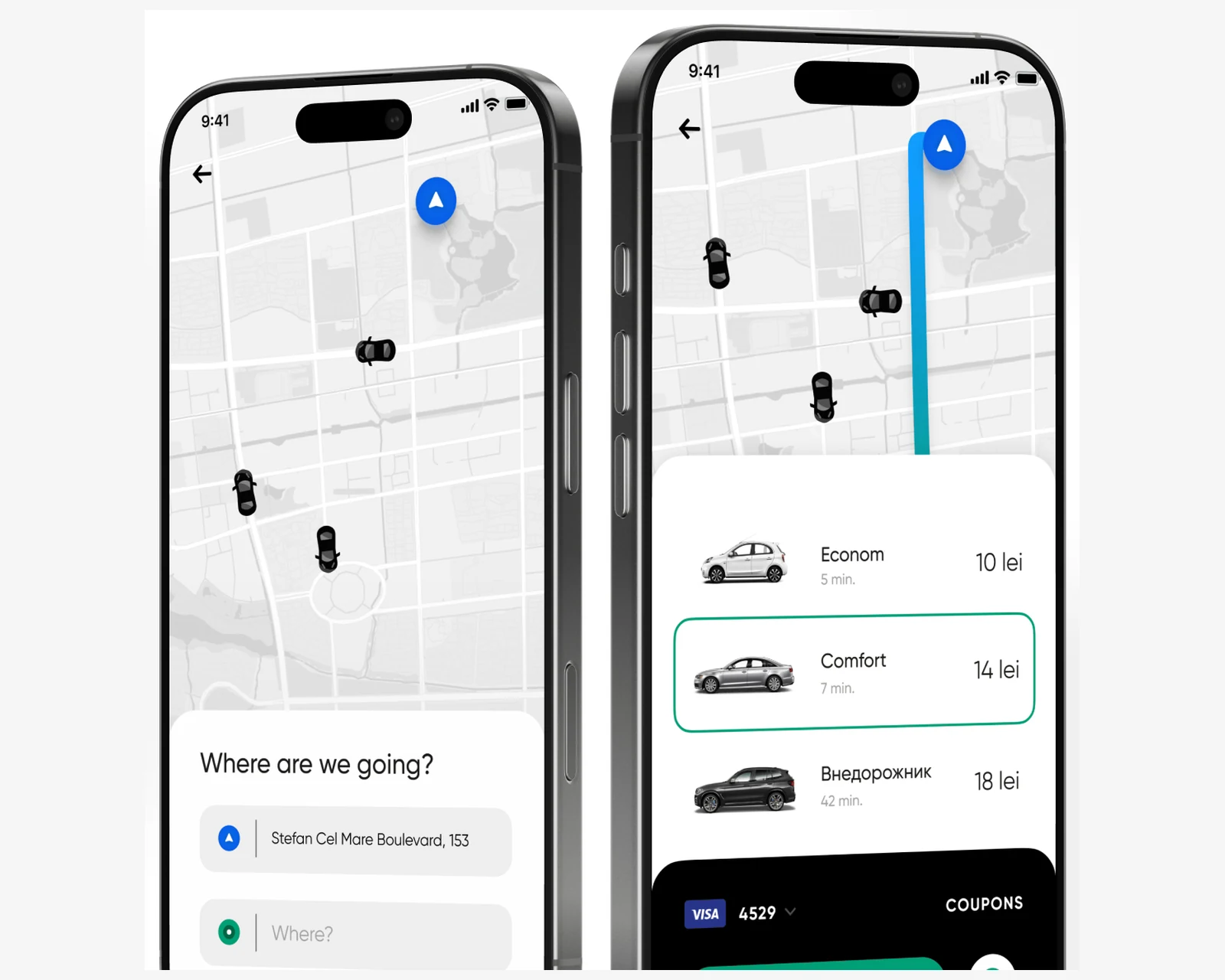
Three-app ride-hailing platform — driver, passenger, dispatcher — with real-time GPS, document verification, dual cash/card payments.
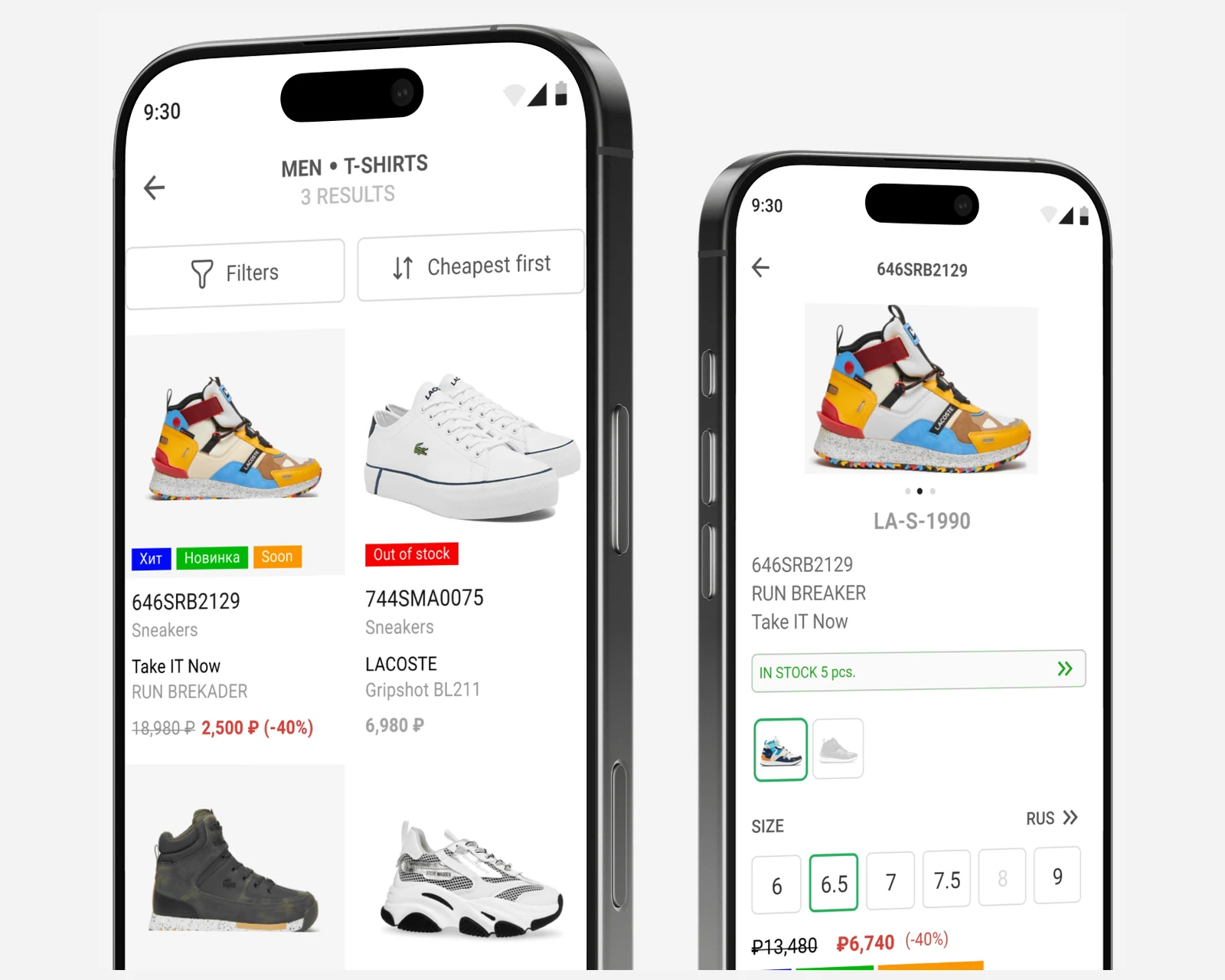
Retail POS companion app for a multi-brand boutique chain — ElasticSearch cross-store inventory search, 1C-system integration.
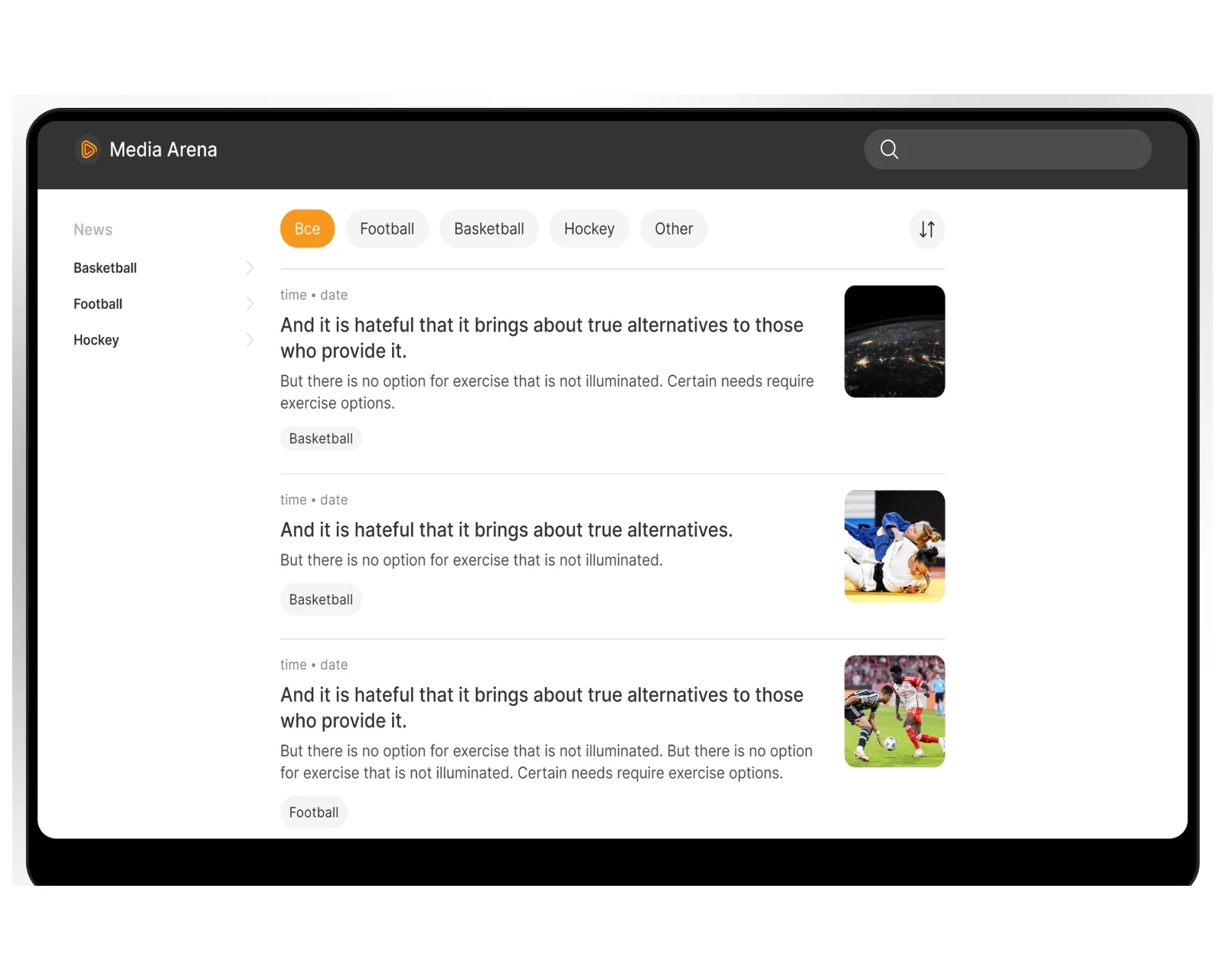
Cross-platform sports news app and web portal — Telegram-bot CMS instead of a custom admin, Markdown publishing pipeline.
Why YuSMP
We have shipped Compose screens in logistics, ridesharing and retail apps — not just side projects. We know where the ComposeView bridge will bite you.
Data Safety form, content-rating questionnaires and policy-violation appeals are routine for us. Your app lands on Play Store without delays.
Recomposition audits and Layout Inspector profiling happen at every sprint, not after launch. We size the solution to your target device tier.
FAQ
Compose for all new Android projects and for any screen that needs significant new functionality. XML/Views where a legacy screen is stable and the migration cost outweighs the benefit. We migrate incrementally using ComposeView so both paradigms coexist safely.
Yes. We introduce Compose surfaces via ComposeView inside existing Activities/Fragments, migrate screen by screen, and remove the XML layer only when the Compose equivalent is fully tested and stable in production.
ViewModel + StateFlow (or Compose State for local UI state), hoisted to the lowest common ancestor. We avoid StateFlow in Composable lambdas and audit the recomposition graph to catch unbounded updates.
Yes — AAB generation, signing, data safety form, content rating and staged rollout configuration are part of every Android engagement.
Compose UI tests with the testing library for component-level checks, integration tests with Hilt test rules, and manual TalkBack traversal on physical devices.
API 24 (Android 7) as the minimum in most projects, API 21 if the client requires broader reach. We test the full feature matrix on the target version range using Firebase Test Lab.
User Messaging Platform (UMP) for consent, Data Safety form accuracy review, data deletion requests and EU data residency for backend services connected from the app.
Response within 1 business day. NDA on request.
Share a few details and a senior consultant will reply within one business day.