Progressive enhancement done right
Many React apps break the moment JavaScript fails or loads slowly; getting forms and navigation to work without client JS takes discipline most teams skip.

Remix React Web Standards SSR
We build production Remix applications for US and EU companies that need speed, reliability and clean web fundamentals. Our engineers lean on Remix loaders, actions and nested routing to keep data flow predictable and pages quick to load. From greenfield products to migrations off legacy React stacks, we deliver apps that work even before JavaScript does — and stay accessible and compliant on both sides of the Atlantic.

We build production Remix applications for US and EU companies that need speed, reliability and clean web fundamentals. Our engineers lean on Remix loaders, actions and nested routing to keep data flow predictable and pages quick to load. From greenfield products to migrations off legacy React stacks, we deliver apps that work even before JavaScript does — and stay accessible and compliant on both sides of the Atlantic.
Challenges
Many React apps break the moment JavaScript fails or loads slowly; getting forms and navigation to work without client JS takes discipline most teams skip.
Splitting reads into loaders and writes into actions per route is powerful but easy to misuse, leading to over-fetching, waterfalls and tangled mutation logic.
Deeply nested routes with their own data and error boundaries can become confusing, with pending states and partial failures hard to reason about.
Server rendering and deferred streaming must be tuned carefully, or you trade fast first paint for blocking loaders and slow time-to-interactive.
Optimistic UI, pending indicators and validation errors need to feel instant without losing the resilience of native form submissions.
Route transitions, focus management and live regions are routinely overlooked, leaving keyboard and screen-reader users behind on dynamic Remix apps.
Solutions
We architect complete Remix apps — routing, data, auth and deployment — on web standards so behaviour is predictable from server to browser.
We model data access with focused loaders and actions per route, eliminating waterfalls and keeping reads and mutations explicit and testable.
Forms submit and validate server-side first, then layer in optimistic UI and pending states so the app works with or without JavaScript.
We use deferred data and streaming to get meaningful content on screen fast while heavier queries resolve, optimising Core Web Vitals.
We build a typed, accessible component library so nested routes and pages stay visually consistent and quick to extend.
We manage focus on route changes, announce updates via live regions and test with keyboard and screen readers to hit WCAG 2.2 AA.
Stack
Remix, React, TypeScript, Vite, Node.js, web standards (Fetch, FormData, Web Streams), Prisma, PostgreSQL, Tailwind CSS, Cloudflare and Vercel edge runtimes.
Compliance
WCAG 2.2 AA accessibility · GDPR & CCPA-aware loader/action data handling · ePrivacy cookie consent via Remix session utils · CSP & security headers
Cases
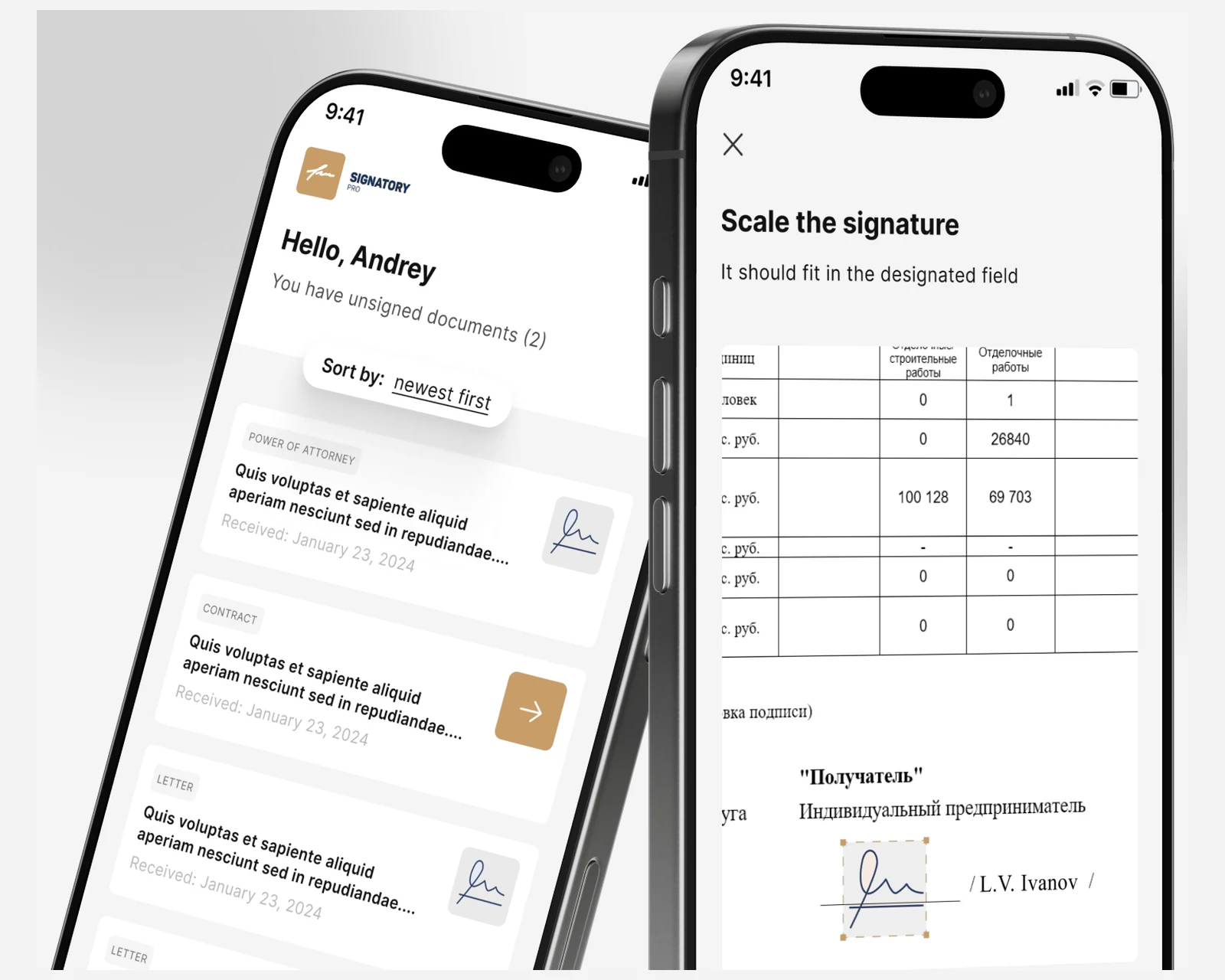
Native iOS and Android e-signature clients with a Symfony + React CRM for a cross-border law firm — KYC onboarding and a defensible evidence trail for US & EU matters.
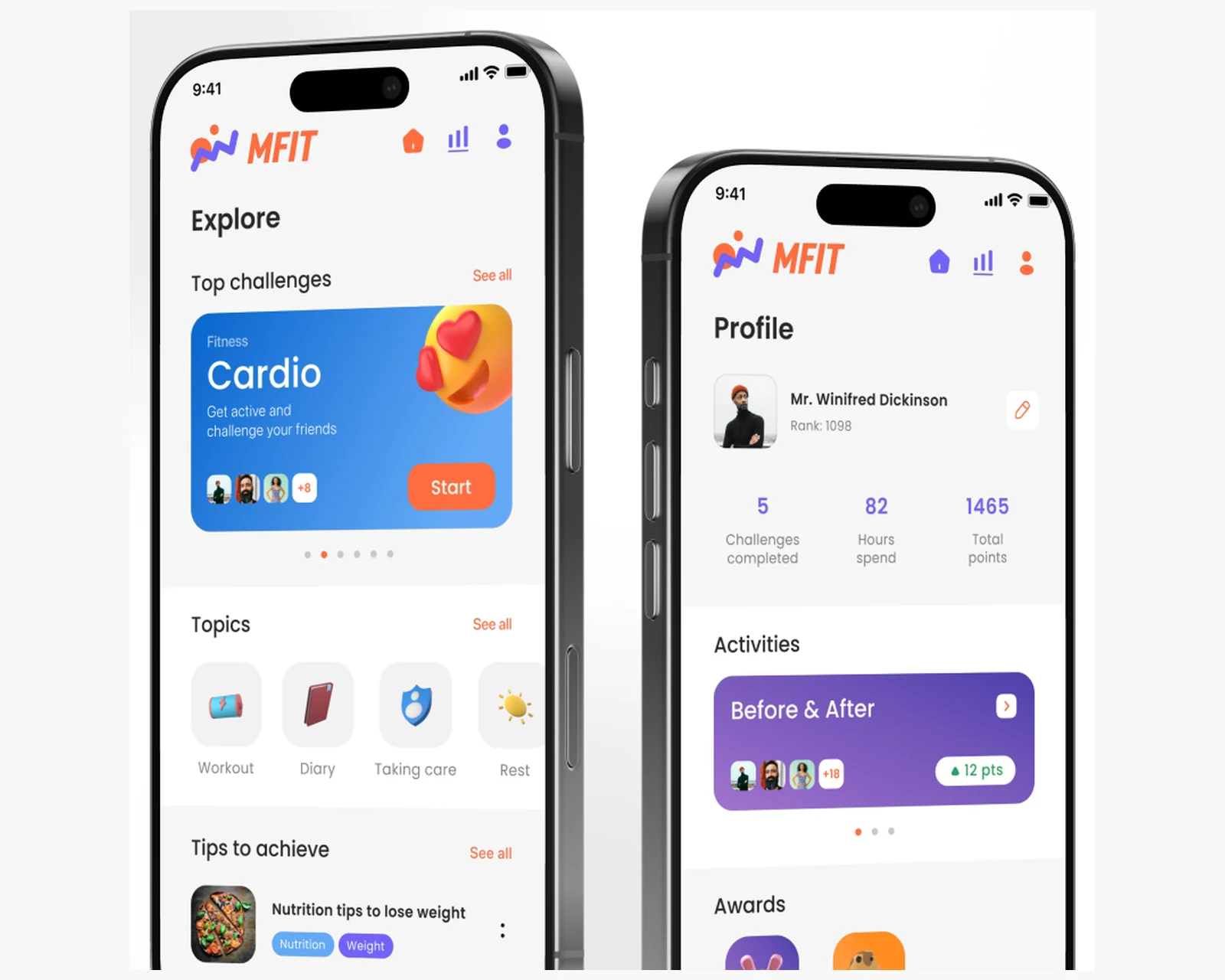
Native iOS & Android fitness-marathon and challenge app — programs, stats, and leaderboards on a Laravel backend, for the US & EU.
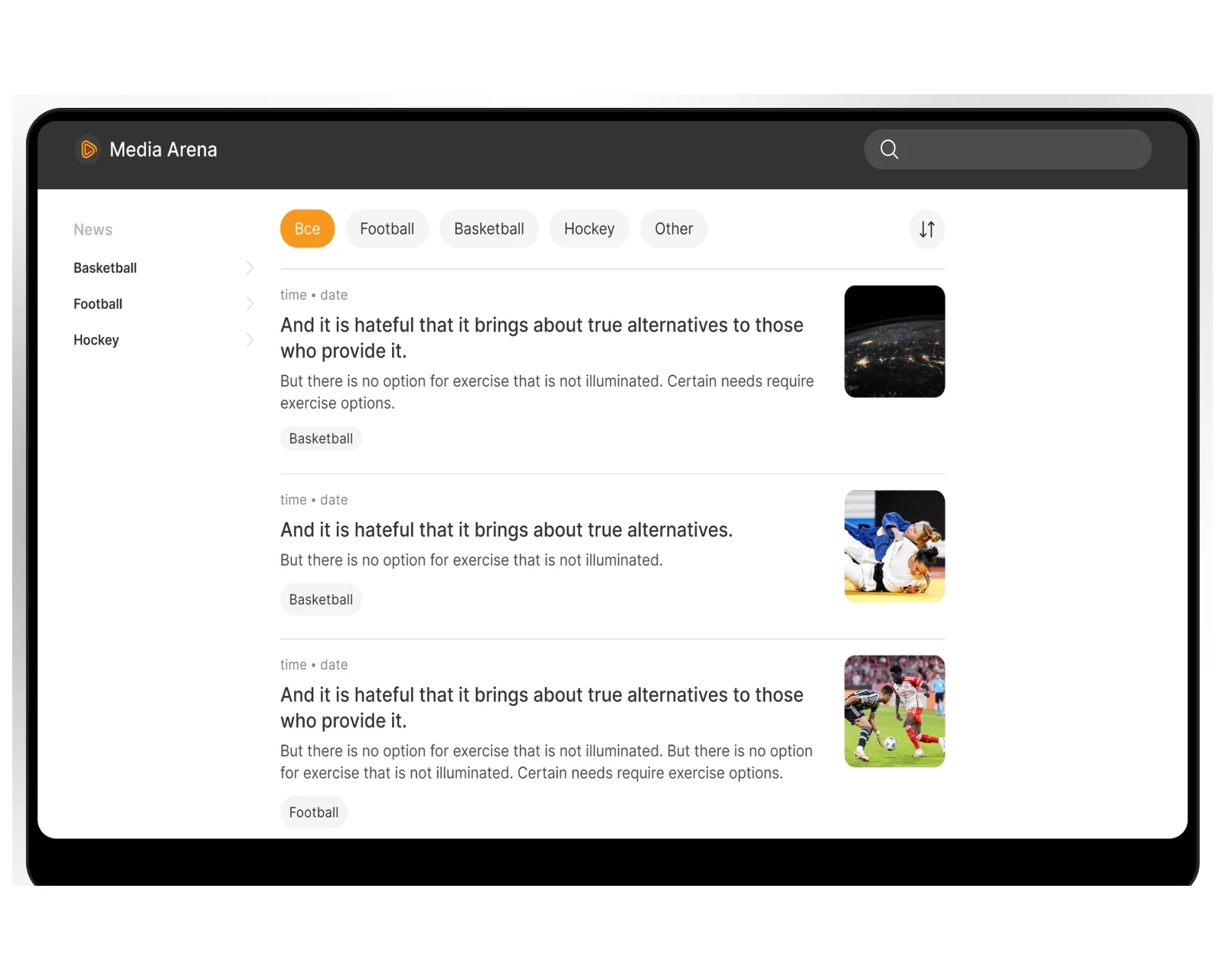
Cross-platform sports news app and web portal — Telegram-bot CMS instead of a custom admin, Markdown publishing pipeline.
Why YuSMP
We work across American and European time zones with engineers who understand both markets' accessibility and privacy expectations.
Our team knows Remix and the platform underneath it — Fetch, FormData, streams and HTTP caching — not just framework shortcuts.
You work directly with senior developers who own architecture, performance and quality from kickoff through launch and beyond.
FAQ
Remix shines when you want tight alignment with web standards, resilient forms and a clear loader/action data model per route. Next.js leans more on React Server Components and a larger plugin ecosystem. We help you weigh team skills, hosting and product needs, and we are equally comfortable delivering in either framework.
Each Remix route can export a loader for reads and an action for writes. Loaders run on the server before rendering so data arrives with the HTML, while actions handle form submissions and mutations. This keeps data flow explicit, cacheable and easy to test, and it removes most client-side fetching boilerplate.
Because Remix builds on native forms and HTTP, core flows like sign-up, search and checkout keep working even if JavaScript is slow, blocked or fails. That means better reliability on poor networks and older devices, stronger accessibility, and a faster perceived experience once JS does load and adds optimistic UI.
Remix runs anywhere with a JavaScript runtime: traditional Node.js servers, serverless platforms, and edge runtimes such as Cloudflare Workers or Vercel Edge. We pick the runtime based on your latency, data-locality and compliance needs, and we keep the app portable so you are not locked into one host.
Yes — modern Remix uses Vite as its build tool and dev server, giving fast hot-module reloads, a rich plugin ecosystem and a smoother developer experience. We set up new projects on the Vite-based stack and can migrate older Remix apps onto it as part of an upgrade.
We migrate incrementally rather than rewriting everything at once. We start by mapping routes, data dependencies and shared components, then move pages over while keeping the old app running. This staged approach lets us validate performance and accessibility at each step and avoids a risky big-bang cutover.
Yes. Remix server-renders pages with real data from loaders, so crawlers receive complete HTML, fast first paint and proper status codes. We add per-route meta tags, canonical URLs, structured data and clean redirects, which together make Remix a strong foundation for search and AI-driven discovery.
Response within 1 business day. NDA on request.
Share a few details and a senior consultant will reply within one business day.