Workflow determinism constraints
Workflow code must be fully deterministic on replay — no wall-clock time, random values, map iteration order or direct I/O. A single nondeterministic call can break history replay and stall production workflows.

Temporal Durable Execution Workflows Orchestration
Temporal turns brittle, distributed business processes into durable workflows that survive crashes, deployments and downstream outages without losing state. We design workflows and activities for US and EU clients with automatic retries, persisted execution history and deterministic replay built in. From payment sagas to multi-day onboarding flows, your orchestration logic becomes code you can read, test and trust. The result is fewer 3am incidents and far less hand-rolled state-machine plumbing.

Temporal turns brittle, distributed business processes into durable workflows that survive crashes, deployments and downstream outages without losing state. We design workflows and activities for US and EU clients with automatic retries, persisted execution history and deterministic replay built in. From payment sagas to multi-day onboarding flows, your orchestration logic becomes code you can read, test and trust. The result is fewer 3am incidents and far less hand-rolled state-machine plumbing.
Challenges
Workflow code must be fully deterministic on replay — no wall-clock time, random values, map iteration order or direct I/O. A single nondeterministic call can break history replay and stall production workflows.
Workflows that run for days or months are mid-flight when you deploy new code. Without patching or build-id versioning, a logic change can make in-progress executions non-deterministic and fail on replay.
Large payloads bloat the event history and hit gRPC and blob-size limits, while raw PII written into inputs and results lingers in persisted history — a real GDPR and HIPAA exposure.
Temporal retries activities automatically, so any side effect — charging a card, sending an email, calling an API — must be idempotent or you double-charge and double-send under at-least-once semantics.
Verifying that workflows behave correctly across failures, retries and code changes needs replay tests against recorded histories and time-skipping test environments, not just unit tests.
Self-hosting Temporal means running and tuning Cassandra or PostgreSQL persistence, the history and matching services and shard scaling; Temporal Cloud removes that but adds cost, region and data-residency decisions.
Solutions
We model long-running processes and distributed sagas as Temporal workflows with explicit compensation, so multi-step operations either complete or roll back cleanly — no orphaned state.
We wrap every external call in idempotent activities with tuned retry policies, timeouts and heartbeats, so flaky downstreams self-heal instead of dropping work on the floor.
We build payment, billing and order-fulfilment sagas that coordinate charge, capture, refund and inventory steps reliably while keeping sensitive data out of the workflow history.
We implement cron schedules, timers, and signal- and query-driven workflows for human approvals, delayed actions and event-reactive processes that wait safely for days.
We add metrics, tracing and structured logging across workers, plus replay and time-skipping tests, so you can see, debug and safely evolve every workflow in production.
We migrate cron-and-queue orchestration to Temporal or stand up your cluster — self-hosted on Kubernetes with Cassandra/PostgreSQL, or onboarded to Temporal Cloud.
Stack
Temporal, Temporal Cloud, Go, Java, TypeScript and Python SDKs, workflows & activities, signals and queries, Docker, Kubernetes, PostgreSQL and Cassandra persistence.
Compliance
GDPR · audit-grade workflow history · HIPAA-ready · SOC 2
Cases

Unified crypto-ecosystem hub aggregating multiple tokens — live exchange data, search, charts, direct purchase entry point.
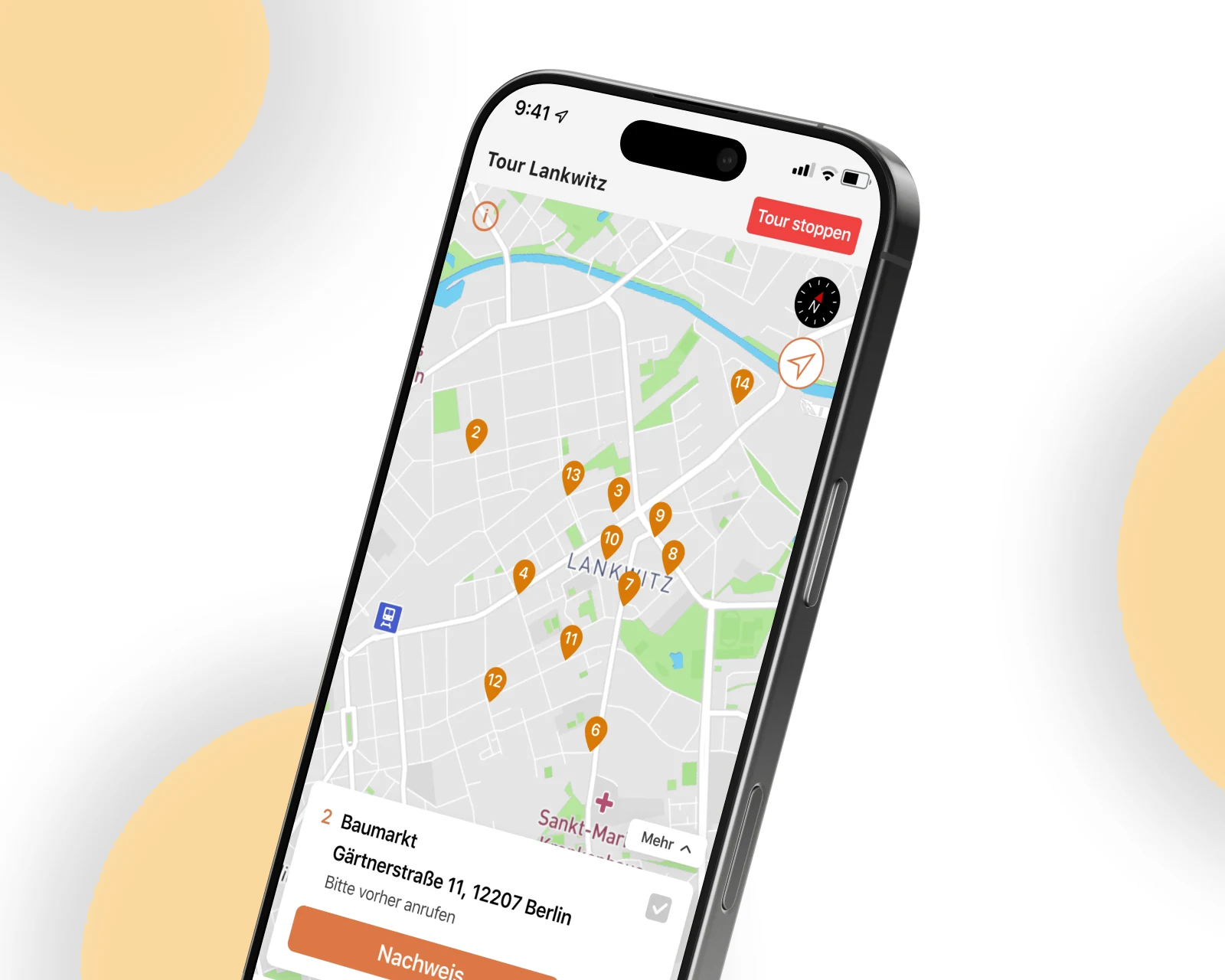
Android + iOS refactor and rebuild for a German last-mile logistics operator — multi-point route planning, real-time driver tracking and in-app invoicing live in the EU.
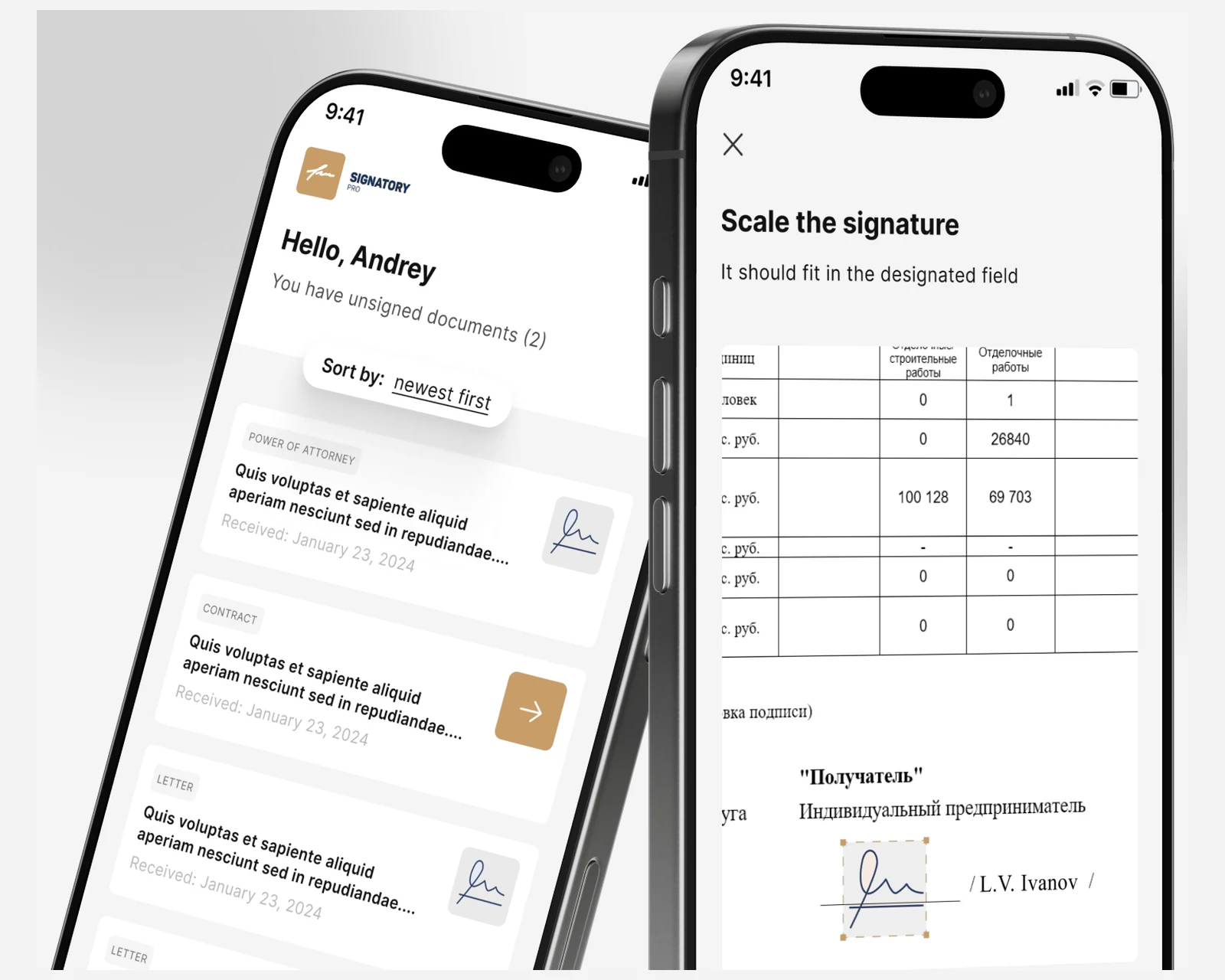
Native iOS and Android e-signature clients with a Symfony + React CRM for a cross-border law firm — KYC onboarding and a defensible evidence trail for US & EU matters.
Why YuSMP
We replace hand-rolled state machines, status columns and cron-plus-queue glue with workflow code that is readable, testable and durable by default.
Your processes survive worker crashes, deploys and downstream outages — Temporal persists every step and resumes exactly where it left off, with retries built in.
Each execution carries a complete, queryable history, so you always know what ran, what failed and why — turning opaque background jobs into auditable processes.
FAQ
Durable execution means your workflow code keeps its full state — variables, progress, timers — even across crashes, restarts and deploys, because Temporal persists every step. A queue-and-cron setup forces you to hand-build state tables, retry logic, dead-letter handling and recovery glue; Temporal gives you that as a platform, so the orchestration logic stays as ordinary code.
Temporal reconstructs workflow state by replaying its recorded event history, so the same code must produce the same decisions every time. That means no direct wall-clock time, randomness, UUIDs or network calls inside workflow code — those belong in activities. We enforce this with linting, code review and replay tests so determinism issues never reach production.
Airflow is built for scheduled, batch data pipelines — DAGs of tasks that move and transform data on a schedule. Temporal is built for application and business workflows: long-running, event-driven, stateful processes like onboarding, payments and order fulfilment that react to signals and run for arbitrary durations. They solve different problems, and many teams run both.
Temporal Cloud removes the operational burden of running the cluster and its Cassandra or PostgreSQL persistence, and is the fastest path for most teams. Self-hosting makes sense when data residency, network isolation or regulatory constraints require full control of the infrastructure. We help you decide and can build and operate either — including hardened self-hosted clusters on Kubernetes.
Because the event history is durable, any PII written into workflow inputs or results persists there, which is a compliance risk. We keep personal data out of payloads where possible, and use custom data converters and codecs to encrypt sensitive fields so values are unreadable in history and can be cryptographically erased. Persistence can be pinned to an EU region for residency.
A workflow running for weeks may be mid-flight when you ship new code, which can break deterministic replay. We use Temporal patching and worker build-id versioning so old executions keep replaying their original logic while new ones pick up the new behaviour. This lets you evolve workflows continuously without breaking in-progress runs.
Temporal offers production SDKs for Go, Java, TypeScript, Python, .NET and PHP, and the right choice usually follows your existing stack and team skills. Go and Java are the most mature and common for high-throughput backends, while TypeScript and Python suit teams already there. We work across all of them and will recommend based on your services and operational reality.
Response within 1 business day. NDA on request.
Share a few details and a senior consultant will reply within one business day.