Multi-tenant SaaS
Subdomain or path-based tenancy via middleware, Postgres + Drizzle or Prisma with row-level security, Auth.js 5 or Clerk for auth, Stripe billing with usage metering, and audit logs ready for SOC 2.

Services
Senior Next.js engineering for US & EU SaaS, commerce, and content platforms. We ship on Next.js 15 App Router with React Server Components, Server Actions, edge middleware, and Vercel or Cloudflare hosting — with SOC 2-ready observability, strict CSP, GDPR-aligned data residency, and Core Web Vitals as engineering SLOs. Fixed-scope, all-in USD pricing tiered by complexity: a web app MVP or client dashboard from $4,100, a CRM or B2B portal from $8,100, a SaaS platform from $13,800. Evaluating the stack first? See our Next.js rendering capabilities (SSR, ISR, App Router) and when to use each.

GDPR-aligned · ISO 27001 ready · SOC 2 Type II in progress · HIPAA-capable · CCPA-acknowledged · CET workday with 9 AM–1 PM ET overlap
Next.js is no longer a frontend framework — it is a full-stack platform with rendering, routing, caching, mutations, middleware, and edge runtime baked in. That power is the reason teams pick it, and the reason most teams get it wrong on the first try. We have shipped Next.js to production since the Pages Router days, run six full App Router migrations in 2025, and operate apps in single-region Frankfurt, multi-region edge, and self-hosted standalone configurations. Whether you need a greenfield SaaS launched in eight weeks, a headless commerce storefront connected to Shopify or Medusa, or a Pages-to-App migration that does not blow up your SEO, we bring senior engineers who have made the mistakes already.
Subdomain or path-based tenancy via middleware, Postgres + Drizzle or Prisma with row-level security, Auth.js 5 or Clerk for auth, Stripe billing with usage metering, and audit logs ready for SOC 2.
Shopify Hydrogen, Medusa 2, commercetools, or BigCommerce backends fronted by Next.js with ISR for catalogue pages, Server Actions for cart mutations, and edge caching for sub-100 ms LCP.
Sanity, Contentful, Storyblok, or Payload CMS wired to App Router with on-demand revalidation, draft-mode previews, JSON-LD per route, and editorial workflows your marketing team can actually use.
Route-by-route cutover behind a feature flag, co-existing router tables, SEO-safe redirects, and zero data-loss on getStaticProps payloads. Typical mid-sized SaaS migrates in 6 to 10 weeks.
A/B testing at the edge, geo-routing for compliance, bot defence, header rewrites, and CSP nonce injection in middleware.ts — running on the Vercel Edge Runtime or Cloudflare Workers.
Full Metadata API coverage, sitemap.ts and robots.ts, structured data audits, INP-focused hydration fixes, and Lighthouse CI budgets that block PRs when budgets regress.
Week 1: hosting trade-off (Vercel vs Cloudflare vs self-host), rendering strategy per route, data-residency decision for GDPR, and a baseline RUM and Lighthouse report.
Weeks 2–3: App Router layout tree, Server Action layer with typed authz, CSP middleware, Drizzle schema, auth wiring, preview deploys, GitHub Actions CI with Lighthouse budgets.
Senior engineers ship features behind feature flags, daily PR review, weekly demo, every PR gets a preview URL with seeded data, every merge to main auto-deploys to staging.
Ops runbook, on-call rota, observability dashboards (Sentry + Vercel Analytics or Datadog), ADRs in the repo, onboarding video for your engineers, 30-day support tail.
Default for most teams. A Next.js web app, CRM, SaaS or marketplace shipped to a fixed scope and a fixed, all-in USD price signed off at the end of discovery. From $4,100 for a web app MVP. Pairs naturally with our wider web application development practice.
Post-launch iteration on the same codebase and the same squad — new flows, integrations and experiments against a rolling backlog. No recontracting; the SOW simply switches to a monthly cadence. Add staff augmentation to plug a specific gap.
For teams scaling beyond a single build. A long-running dedicated development team you treat as your own — senior full-stack engineers, tech lead, QA and a design-system specialist on your Jira, standup and release calendar.
All engagements include NDA, GDPR DPA, IP assignment on day one, EU-based payroll, and EU data-residency by default. No third-country subprocessors without written approval.
Most agencies keep the number for a sales call. Below are reference formats for different levels of product complexity — we name the exact quote after a free scope assessment. Builds are fixed-scope and all-in, quoted in USD, with no recruitment markup, no tool surcharges and no hidden fees. You see the line-item budget before any code is written and sign off on it.
Web app MVP / dashboard
from $4,100
4–8 weeks
First working Next.js web app or client dashboard. App Router foundations, auth, a handful of core screens, event analytics, deploy and source handover.
CRM / B2B portal
from $8,100
8–12 weeks
Role-based CRM or B2B portal. Multi-role access, admin panel, external integrations, reporting and a Postgres data model on the App Router.
SaaS platform
from $13,800
12+ weeks
Multi-tenant SaaS. Subdomain or path-based tenancy, Stripe billing with usage metering, audit logs ready for SOC 2, and edge middleware.
Marketplace / highload
from $28,700
scoped per project
Marketplace or highload platform. Multi-sided flows, search, payments and payouts, caching and observability tuned for scale under load.
What moves the number: the integration count (billing, auth, third-party APIs); the roles and access model (a single-user dashboard vs multi-tenant, multi-role SaaS); the hosting model (Vercel vs Cloudflare Pages vs self-hosted AWS ECS or Hetzner — each carries a different ops and data-residency cost, benchmarked at kickoff); and the compliance scope (EU data-residency, strict CSP with nonce middleware, SOC 2-ready audit logs, VPAT-ready accessibility for US federal and EU public-sector procurement). GPU, third-party tooling and cloud spend run on your own accounts, so you keep the cost lever. Anything outside the signed scope goes on the post-launch roadmap with sized estimates rather than a silent timeline extension. Prices are indicative and are fixed in a written quote for your specific scope.
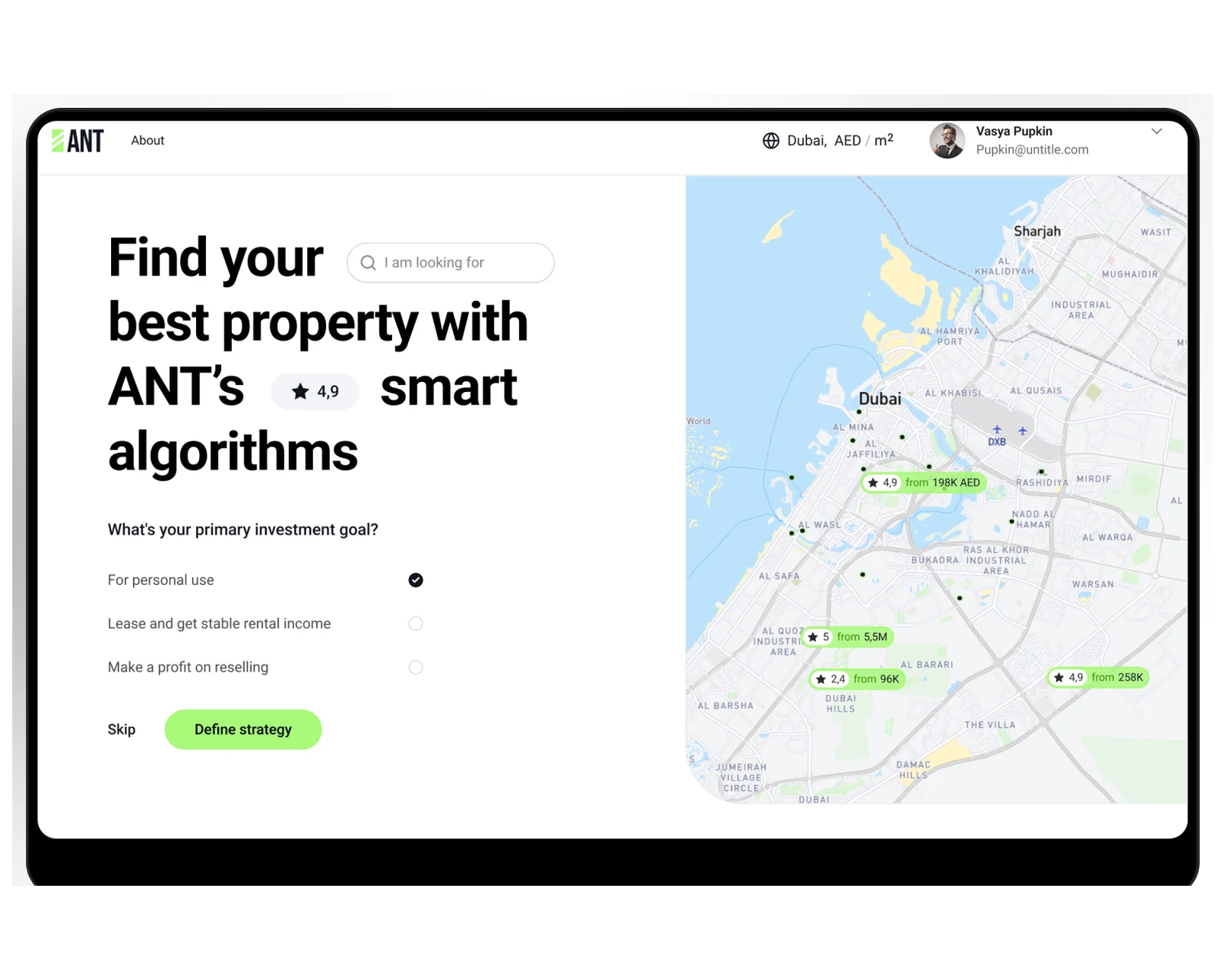
Property marketplace web platform with listing CMS, search and B2B admin console for US and EU operators.
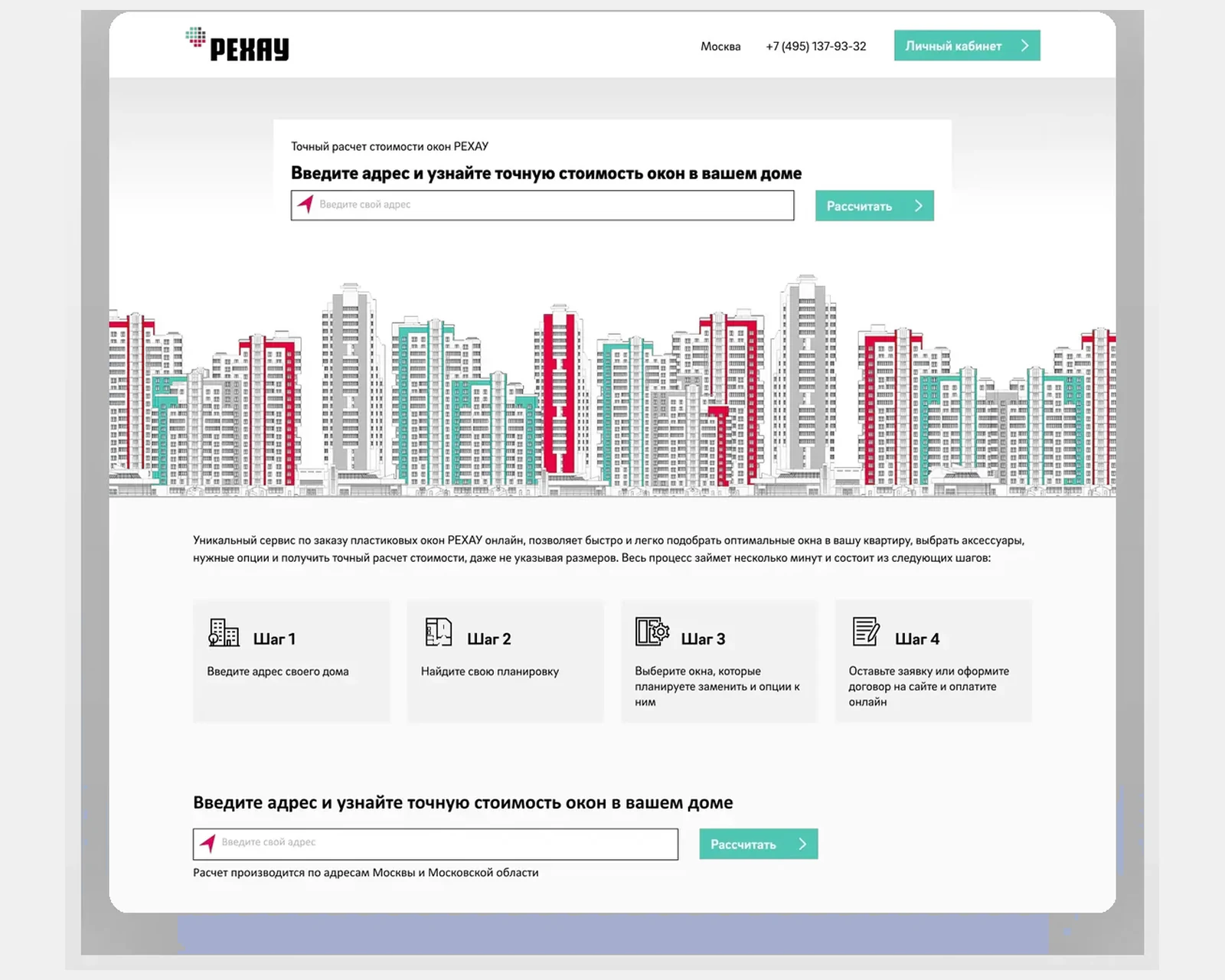
B2B e-commerce and product configurator for a global polymer manufacturer with multi-region pricing, stock and dealer workflows.
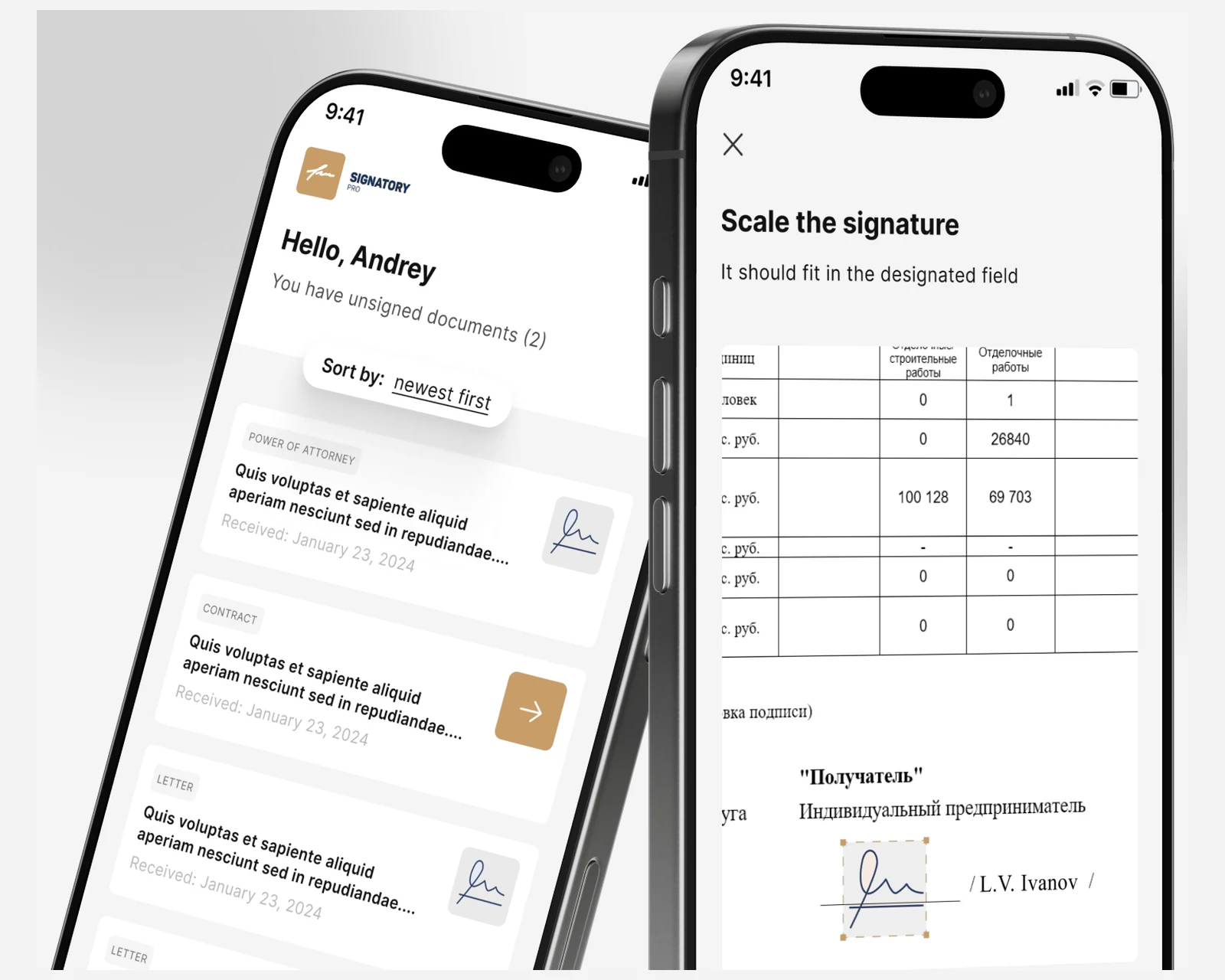
Native iOS and Android e-signature clients with a Symfony + React CRM for a cross-border law firm — KYC onboarding and a defensible evidence trail for US & EU matters.
GDPR-aligned · ISO 27001 ready · SOC 2 Type II in progress
Six App Router migrations shipped in 2025, dozens of greenfield App Router products in production. We have already hit the sharp edges — cache invalidation, parallel routes, streaming — and documented the answers.
Vercel, Cloudflare Pages, AWS ECS standalone, Hetzner — we benchmark all four at kickoff and pick what fits your data-residency, cost, and velocity constraints. No vendor cargo culting.
EU-region hosting, signed GDPR DPAs, strict CSP with nonce middleware, audit-log baked into Server Actions, and VPAT-ready accessibility for US federal and EU public-sector procurement.
Pricing is all-in and quoted in USD, engineers work CET hours with a 4-hour US East-Coast overlap, and write English-only async-first documentation on Linear, Slack, and Loom.
Building an e-learning platform on Laravel and React sounds straightforward until you need progress tracking, certificates, and payment flows that actually convert. YuSMP made it look easy. Course completion rates on our platform consistently beat industry averages.
A microloan platform built on Laravel and React needs to handle high-volume applications, instant credit checks, and a borrower portal that does not intimidate first-time users. YuSMP delivered all of it within budget. Application volume doubled in the quarter following launch.
All greenfield work is on Next.js 15 App Router with React 19, React Server Components, and Server Actions. Pages Router is in maintenance mode and we only touch it for short-term patches on existing apps. We have run six full Pages-to-App migrations in 2025; the typical effort for a mid-sized SaaS is 6 to 10 weeks behind feature flags, with a parallel route table while we cut over. We never recommend a big-bang rewrite — route-by-route migration with co-existing routers is always faster and safer.
Three defaults. Vercel for fast-growth SaaS where developer velocity outweighs vendor lock-in — we pick Frankfurt or Dublin regions for EU data residency. Cloudflare Pages with the next-on-pages adapter for cost-sensitive global edge, with Workers KV and D1 for low-latency storage. Self-hosted on AWS ECS or Hetzner with the standalone output, behind CloudFront or BunnyCDN, when the client has strict data-residency or budget constraints. We benchmark all three at the start and document trade-offs in writing.
Strictly. We mark server-only modules with the server-only package so accidental client imports fail at build time. Environment variables are split into NEXT_PUBLIC_ for client and unprefixed for server, with a Zod-validated env schema at startup. Server Actions are always wrapped in a typed authz check (next-safe-action 7.x or Zod-validated input + permission guard) and never trust the calling component. We run a CSP with nonce-based script-src in strict mode, enabled via middleware.ts, which catches the majority of accidental inline-script regressions.
Next.js gives you the tools but does not write them for you. We ship full Metadata API coverage with generateMetadata per route, JSON-LD via app-level injection (Organization, Product, Article, BreadcrumbList, FAQPage), sitemap.ts and robots.ts at the app root, ISR or on-demand revalidation for content updates, and image pipelines via the next/image component with sharp 0.33+. Web Vitals are measured via web-vitals 4.x posting to Vercel Analytics or a custom RUM endpoint, with Lighthouse CI budgets gating PRs in GitHub Actions.
Yes, but with different sub-patterns. Commerce uses Next.js + headless commerce backends (Shopify Hydrogen, Medusa 2, commercetools, BigCommerce) with ISR for catalog pages and Server Actions for cart mutations. Multi-tenant SaaS uses subdomain or path-based middleware routing with database-scoped tenancy on Postgres + Drizzle or Prisma. Content sites pair Next.js with Sanity, Contentful, Storyblok, or Payload CMS for editorial workflows. All three patterns share the same App Router, same auth (Auth.js 5 / Clerk / WorkOS), and same observability.
Builds are fixed-scope and all-in, quoted in USD, tiered by product complexity. A web app MVP or client dashboard runs from $4,100 (4–8 weeks); a CRM or B2B portal from $8,100 (8–12 weeks); a multi-tenant SaaS platform from $13,800 (12+ weeks); a marketplace or highload build from $28,700. The exact number depends on the integration count, roles and access model, compliance scope and hosting choice. You see the line-item budget before any code is written and sign off on it — no recruitment markup, no tool surcharge, no hidden fees, and IP transfers to you on day one.
Practical guides on Next.js, React, and modern web application development.
Share a few details and a senior consultant will reply within one business day.