Model accuracy vs size trade-off
Quantisation reduces model size 4× but can cut accuracy by 3–8%. We benchmark quantised vs full-precision on the target device tier and choose the right trade-off per use case.

Core ML Vision Neural Engine On-device
Machine learning that runs entirely on-device — no data leaves the iPhone. Vision framework image classification, NLP-based text analysis, and personalised recommendation models compiled for Apple Neural Engine. Privacy-preserving by design, offline-capable, and indistinguishable from native iOS performance.
We integrate Core ML models into iOS and iPadOS apps for clients in health, fitness, legal and consumer sectors — inference that runs on the Neural Engine at sub-millisecond latency without a network round-trip. We convert PyTorch and TensorFlow models to Core ML format using coremltools, quantise for size and speed, and validate accuracy parity before shipping. When a model needs continuous improvement, we implement on-device fine-tuning feedback loops without sending raw data to a server.
Challenges
Quantisation reduces model size 4× but can cut accuracy by 3–8%. We benchmark quantised vs full-precision on the target device tier and choose the right trade-off per use case.
Models compiled for iOS 17 Neural Engine may behave differently on iOS 15. We test on the full target range and version-gate features explicitly.
A14 Neural Engine is 5× faster than A11. We profile on the minimum supported hardware and fall back to CPU execution where latency is unacceptable.
Custom layers not supported by coremltools require custom MIL operations. We map unsupported ops to equivalent Core ML primitives and validate numerically.
Even on-device ML must avoid processing biometric data without explicit consent under GDPR and HIPAA. We architect the inference pipeline around data minimisation.
Updating a bundled model requires a full app release. We implement background model download with version gating for non-sensitive updates and App Store submission for model changes that affect privacy declarations.
Solutions
Vision framework pipelines for medical imaging, retail product recognition, document scanning and augmented reality overlays.
On-device NLP for content moderation, sentiment analysis, auto-tagging and intelligent search — no text leaves the device.
User-behaviour models that adapt on-device for content, product and activity recommendations with no server round-trip.
HealthKit-integrated models for activity recognition, calorie estimation and anomaly detection — HIPAA-capable by design.
PyTorch and TensorFlow model conversion to Core ML format, INT8/FP16 quantisation and Neural Engine compilation.
Feedback loops that improve the model from user interactions without raw data leaving the device — privacy-preserving training.
Stack
Core ML, Create ML, coremltools, Vision, Natural Language, CoreMotion, HealthKit, Swift, Python (model conversion), PyTorch, TensorFlow.
Compliance
GDPR-aligned · HIPAA-capable · Apple privacy manifest · On-device processing
Cases
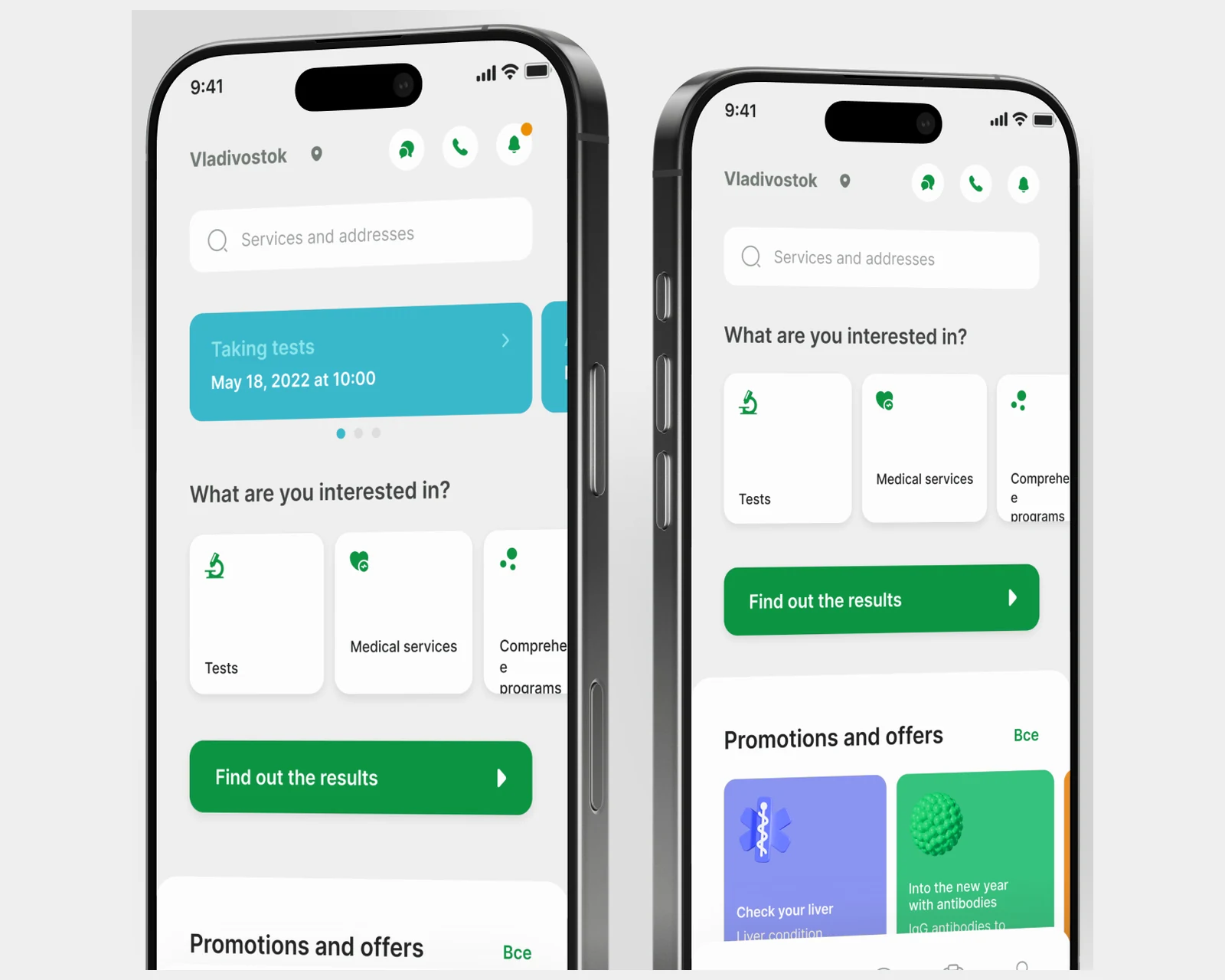
Patient app for a 40-city lab network — appointment booking, digital results, 2,500+ tests, scheduling and accounting integrations.
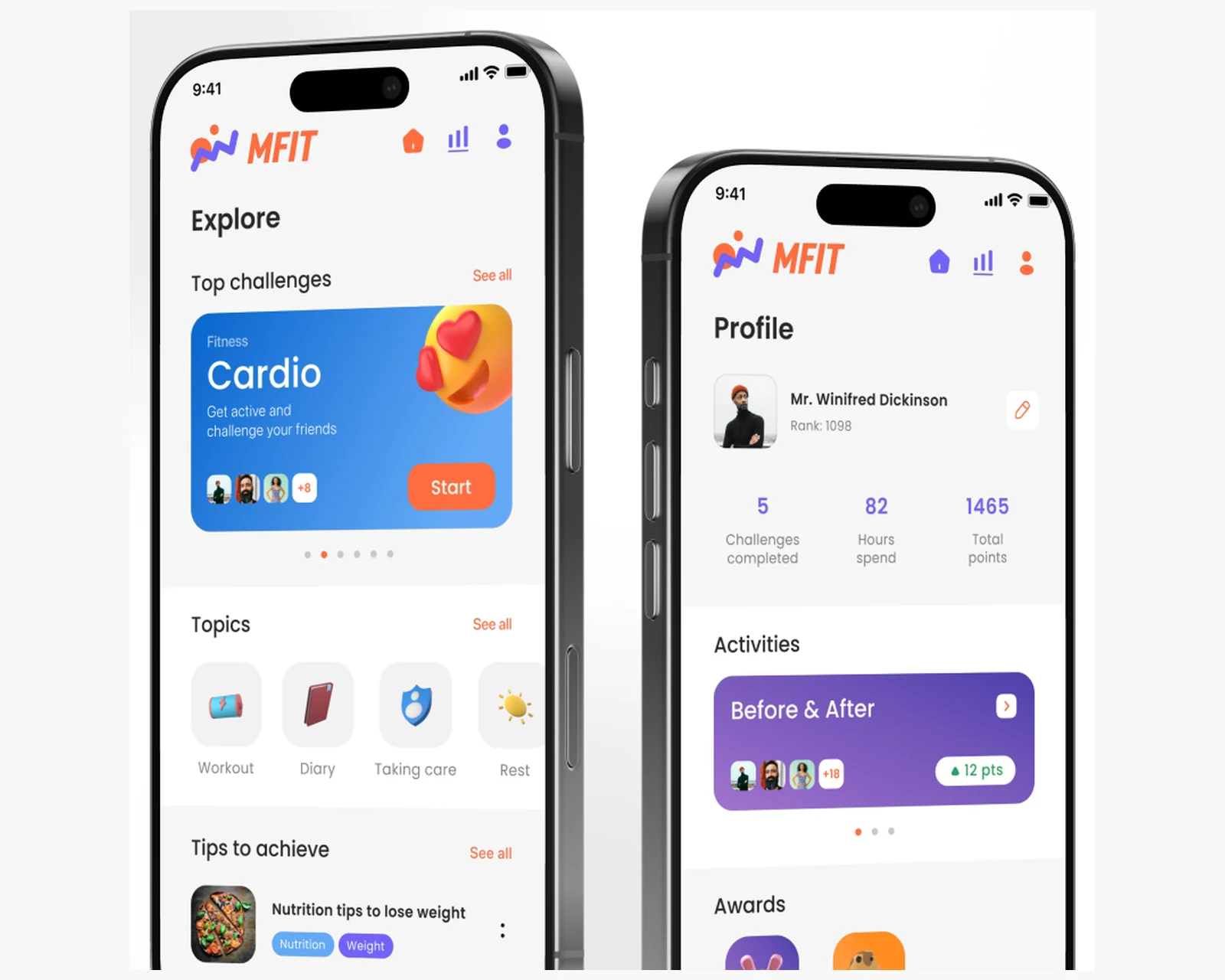
Native iOS & Android fitness-marathon and challenge app — programs, stats, and leaderboards on a Laravel backend, for the US & EU.
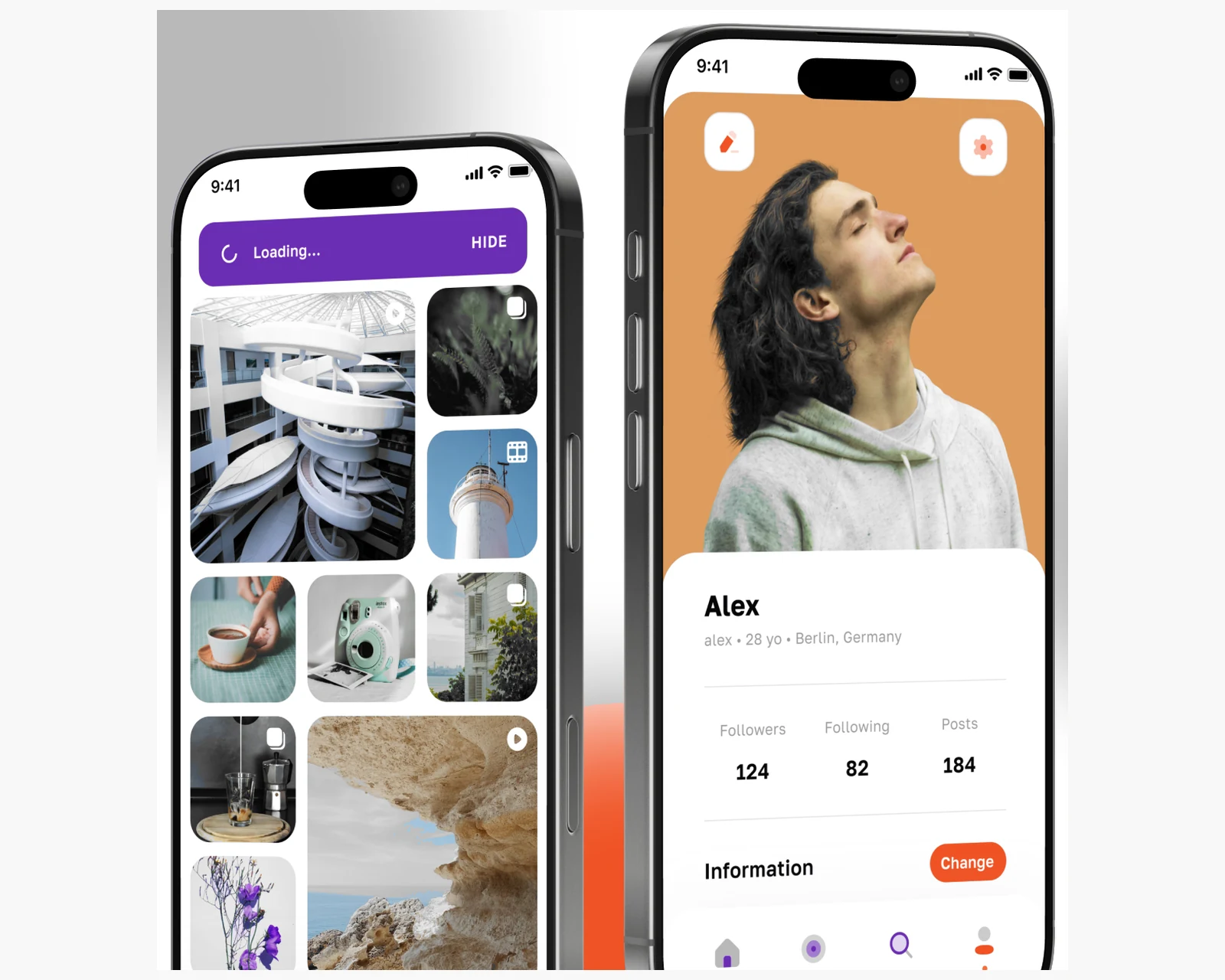
Production social platform — App Store + Google Play, live across the US and EU — with geo Radar, encrypted messaging and a virtual economy.
Why YuSMP
We handle the full journey: model training, coremltools conversion, Neural Engine optimisation and iOS integration — one team, no hand-off gaps.
On-device inference means user data never leaves the device. We architect the pipeline for GDPR and HIPAA from the first sprint.
We don't ship until quantised-model accuracy matches the Python baseline within agreed tolerance on the real device tier you ship to.
FAQ
Yes. We use coremltools to convert PyTorch (via TorchScript) and TensorFlow/Keras models, map custom layers to MIL operations and validate numerical parity between the source and converted model.
INT8 quantisation typically reduces accuracy by 1–5% for vision tasks and 2–8% for NLP, while reducing model size 4× and inference time 2–3×. We benchmark on your target device tier and choose the quantisation level that meets your accuracy SLA.
For models that do not affect privacy declarations, yes — we implement background download with version gating. Model changes that add new API usage require an App Store update with updated PrivacyInfo.xcprivacy.
An A14 Neural Engine runs a MobileNet-V3 inference in ~0.4 ms. An A11 (iPhone 8) takes ~3 ms. We profile on your minimum supported hardware and architect fallback CPU paths where latency is unacceptable.
Yes — that is the primary advantage. Models are bundled with the app or downloaded once and cached. Inference requires no network connection.
On-device processing means raw data does not leave the device. We still require a legal basis (usually legitimate interest or consent) for collecting any inferred output, and we document the data flows in PrivacyInfo.xcprivacy.
Create ML for common classification and tabular tasks where Apple's training UX is sufficient. Custom PyTorch training for complex architectures, fine-tuning pre-trained models or tasks where training data requires special handling.
Response within 1 business day. NDA on request.
Share a few details and a senior consultant will reply within one business day.