Index & namespace design
Picking dimensions, metrics and namespace boundaries up front is hard, and a wrong choice forces a costly re-index once you are live.

Pinecone Serverless Vector DB Managed
Pinecone gives your retrieval layer a fully-managed, serverless vector database — no shards, replicas or capacity planning to babysit. We design and ship Pinecone-backed search and RAG systems for US and EU companies: namespace-based multi-tenancy, metadata-filtered hybrid search, and embedding pipelines wired into your product. Whether you need HIPAA cover in the US or an EU-region index for data residency, we build it to be accurate, fast and audit-ready.

Pinecone gives your retrieval layer a fully-managed, serverless vector database — no shards, replicas or capacity planning to babysit. We design and ship Pinecone-backed search and RAG systems for US and EU companies: namespace-based multi-tenancy, metadata-filtered hybrid search, and embedding pipelines wired into your product. Whether you need HIPAA cover in the US or an EU-region index for data residency, we build it to be accurate, fast and audit-ready.
Challenges
Picking dimensions, metrics and namespace boundaries up front is hard, and a wrong choice forces a costly re-index once you are live.
Heavy or poorly-indexed metadata filters can slow queries and skew recall, especially as cardinality and corpus size grow.
Serverless read and write units are easy to overspend on when query patterns, top-k and update frequency are not tuned for the workload.
Serving many customers or workspaces from one index needs strict isolation so one tenant can never see or skew another tenant's vectors.
Keeping the index consistent with a changing source of truth — new, updated and deleted records — is a recurring source of stale or missing results.
A retrieval layer wired tightly to one provider becomes hard to move, audit or benchmark against alternatives later on.
Solutions
We provision serverless indexes with the right metric and dimensions, then model namespaces around tenants or domains so growth never forces a rebuild.
We combine dense and sparse vectors with selective, well-shaped metadata filters to lift precision while keeping query latency low.
Each customer is isolated by namespace with scoped API keys and query guards, so data can never cross tenant boundaries.
We tune top-k, batching, update cadence and index granularity, and monitor read/write units so spend tracks real value, not waste.
We build idempotent ingest pipelines that embed, upsert and delete in step with your source data, keeping the index fresh and consistent.
We expose retrieval through a clean FastAPI service and LangChain/LlamaIndex layer, wiring Pinecone into your RAG or product backend end to end.
Stack
Pinecone serverless, namespaces, metadata filtering, hybrid search, embeddings, LlamaIndex/LangChain, AWS/GCP/Azure regions, FastAPI.
Compliance
GDPR · EU region · HIPAA (BAA) · SOC 2
Cases
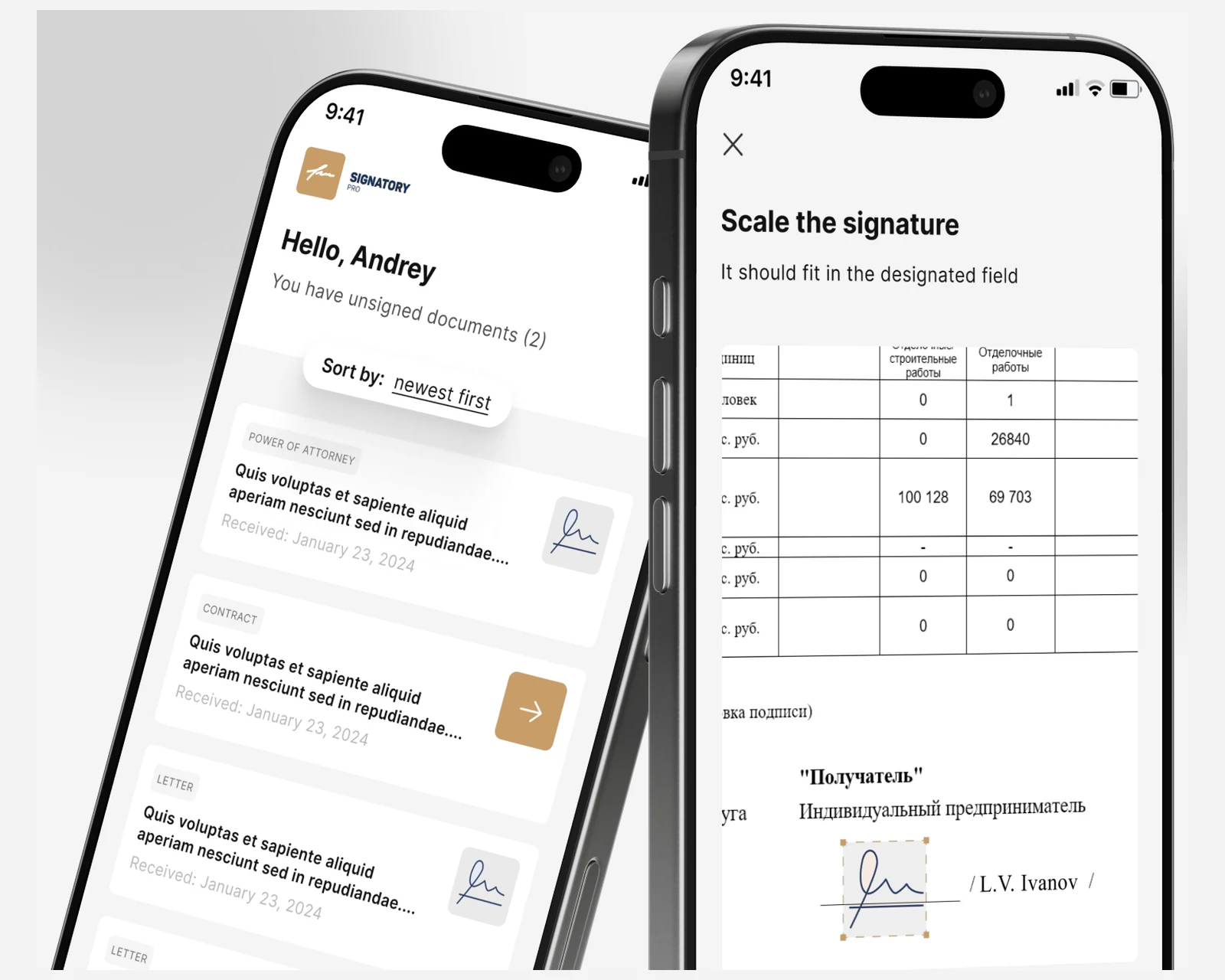
Native iOS and Android e-signature clients with a Symfony + React CRM for a cross-border law firm — KYC onboarding and a defensible evidence trail for US & EU matters.
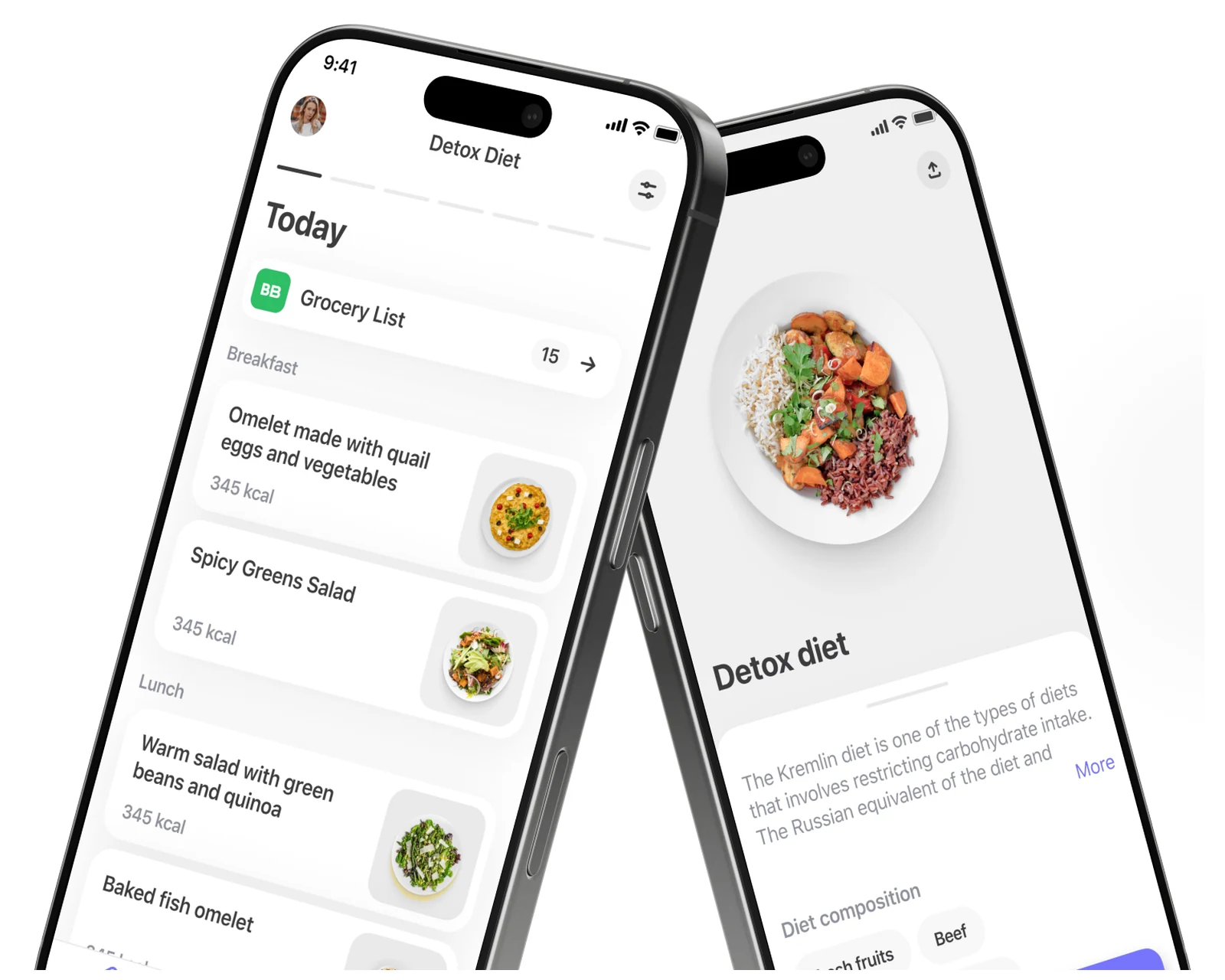
Cross-platform diet and meal-planning app on Flutter — calorie engine, recipe library, weekly meal-plan, grocery ordering.
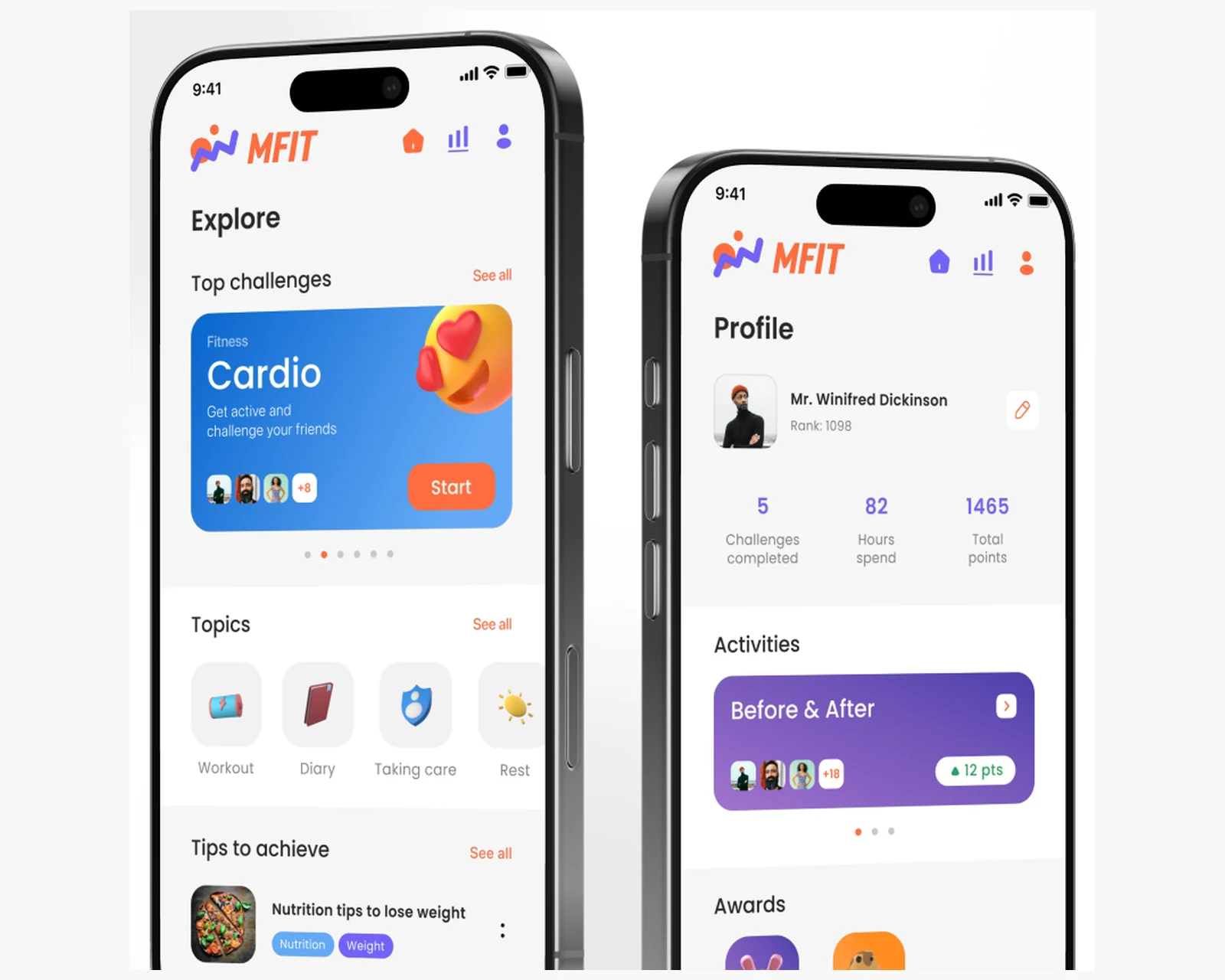
Native iOS & Android fitness-marathon and challenge app — programs, stats, and leaderboards on a Laravel backend, for the US & EU.
Why YuSMP
We design indexes around GDPR, HIPAA BAAs, SOC 2 and EU data residency from day one, not as an afterthought once auditors ask.
Pinecone serverless removes shard, replica and capacity management, so your team scales retrieval without operating a vector cluster — we keep it tuned and cost-efficient.
You work with senior engineers who have shipped production retrieval and RAG systems, not generalists learning vectors on your budget.
FAQ
Pinecone wins when you want a fully-managed, serverless index with no cluster to run and predictable scaling. pgvector is great if your data already lives in Postgres and volumes are modest; Qdrant and Weaviate suit teams that want self-hosting and deep control. We help you weigh ops burden, scale and compliance, then build on whichever fits — including a portable abstraction if you want options.
Pinecone serverless bills on read units, write units and stored data rather than fixed pods, so you pay for usage. Cost is driven by query volume, top-k, update frequency and corpus size. We tune those levers and monitor unit consumption so spend stays proportional to value instead of drifting upward.
Namespaces partition a single index so each tenant's vectors are queried in isolation, with no extra index overhead. We pair them with scoped API keys and query-time guards so a customer can only ever read and write their own namespace, which keeps multi-tenant SaaS both clean and cost-efficient.
Every vector can carry metadata — tenant, language, document type, date, permissions — and queries can filter on it server-side. That lets you scope results to exactly what a user is allowed and likely to want, and combined with hybrid search it sharply improves precision.
Yes, on enterprise plans Pinecone will sign a BAA. We architect PHI-bearing indexes with encryption, least-privilege keys, namespace segregation and audit logging so healthcare retrieval meets HIPAA, and we keep PII in controlled metadata rather than leaking it into embeddings.
Yes. We provision indexes in an EU cloud region (AWS or GCP) so vectors and metadata stay within the chosen jurisdiction, supporting GDPR and data-residency requirements. We also keep PII filterable so erasure requests can be honoured per record or namespace.
We keep retrieval behind a clean interface and own the embedding pipeline, so vectors can be re-ingested into another store if needs change. Using LangChain/LlamaIndex abstractions and provider-agnostic ingest means switching is a migration, not a rewrite.
Response within 1 business day. NDA on request.
Share a few details and a senior consultant will reply within one business day.