Bridge performance bottlenecks
Old Architecture bridge serialisation causes janky animations and slow native module calls. We migrate to New Architecture and move heavy paths to Reanimated worklets on the UI thread.

New Architecture Expo EAS App Store Play Store
One TypeScript codebase, two stores — React Native with Expo EAS lets US and EU product teams ship to iOS and Android simultaneously without doubling engineering cost. We have delivered food delivery aggregators with real-time courier tracking, ride-hailing platforms with live GPS dispatch, and grocery delivery ecosystems with multi-role ops panels on a shared backend. Ready to staff up? See our React Native development services and dedicated teams.

We deliver React Native engineering for cross-platform consumer apps, logistics and mobility platforms, and marketplaces where shipping to iOS and Android with one codebase is a business requirement. New Architecture is our default for new projects. Expo with EAS Build handles CI, OTA updates and store submissions. We write native modules in Swift and Kotlin when JavaScript cannot access the hardware we need — and we know when to recommend native-first instead of pushing React Native past its limits.
Challenges
Old Architecture bridge serialisation causes janky animations and slow native module calls. We migrate to New Architecture and move heavy paths to Reanimated worklets on the UI thread.
Custom native modules break on every React Native upgrade. We minimise custom modules, prefer well-maintained community libraries, and isolate native code behind stable JS interfaces.
Shipping breaking changes via CodePush or Expo Updates crashes production apps. We implement update channels, staged rollout percentages and one-tap rollback before enabling OTA.
Mobile apps must work without network and sync on reconnect. We implement MMKV for fast local storage, optimistic updates with conflict resolution, and background sync via WorkManager/BGTaskScheduler bridges.
Apple and Google review the same binary with different policies. We handle both data safety forms and App Privacy disclosures, and flag policy-sensitive features early in design.
FlatList degrades on lists over a few hundred items. We implement FlashList with typed cell recycling and windowing strategies tuned to the data shape.
Solutions
Feed-based social apps, video players and messaging — Reanimated 3 animations, Skia graphics and real-time Socket.io connections.
Driver, courier and dispatcher apps with live GPS, multi-point routing, signature capture and offline job queues.
Product catalogs, checkout flows, seller dashboards and push notifications — one codebase serving iOS and Android buyers.
Appointment booking, HealthKit/Health Connect integration, HIPAA-capable data handling and clinical result display.
Biometric auth, card display (masked PAN), push for transaction alerts and PCI DSS scope-aware data handling.
Incremental migration of iOS or Android native apps to React Native — screen by screen, with parity testing at each step.
Stack
React Native 0.76, Expo SDK 52, New Architecture, Reanimated 3, Skia, Hermes, EAS Build, EAS Submit, MMKV, Zustand, TanStack Query, React Navigation.
Compliance
GDPR-aligned · HIPAA-capable · WCAG 2.2 · CCPA-acknowledged
Shared: OWASP Mobile Top 10, certificate pinning, SBOM for native dependencies.
Cases
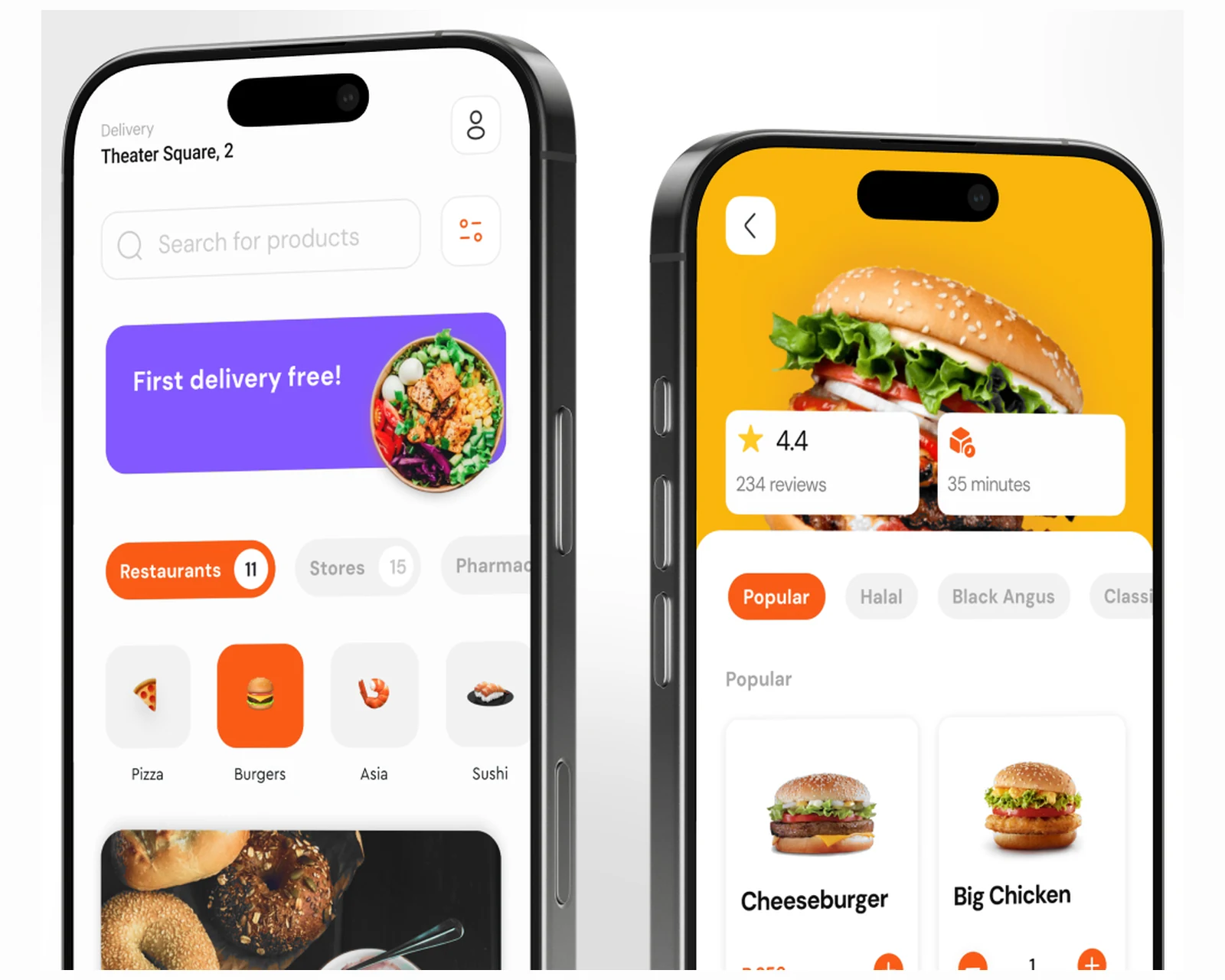
iOS & Android apps, a courier-routing engine, and a multi-role ops panel on a shared Laravel backend — multi-vendor ordering for the US & EU.
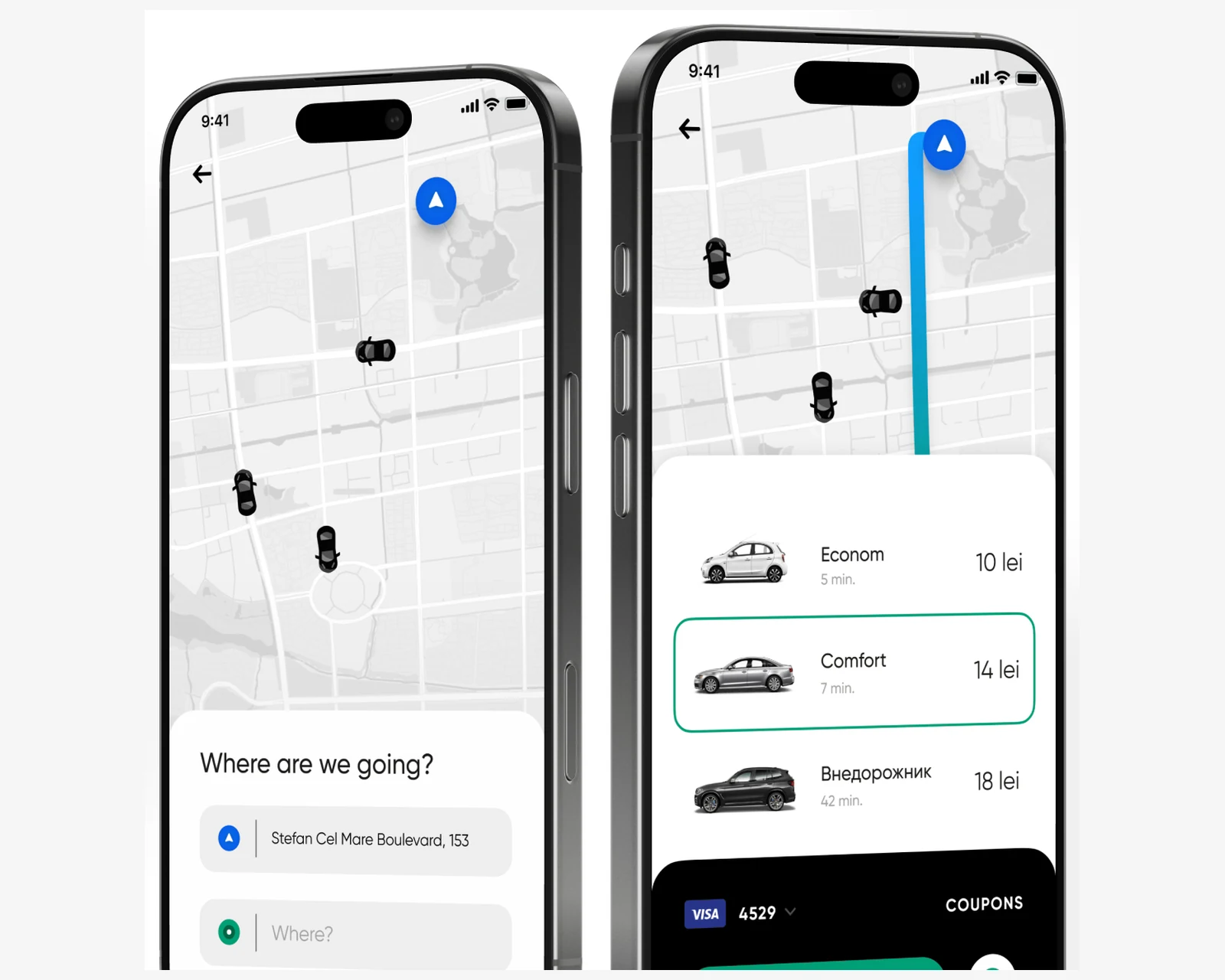
Three-app ride-hailing platform — driver, passenger, dispatcher — with real-time GPS, document verification, dual cash/card payments.
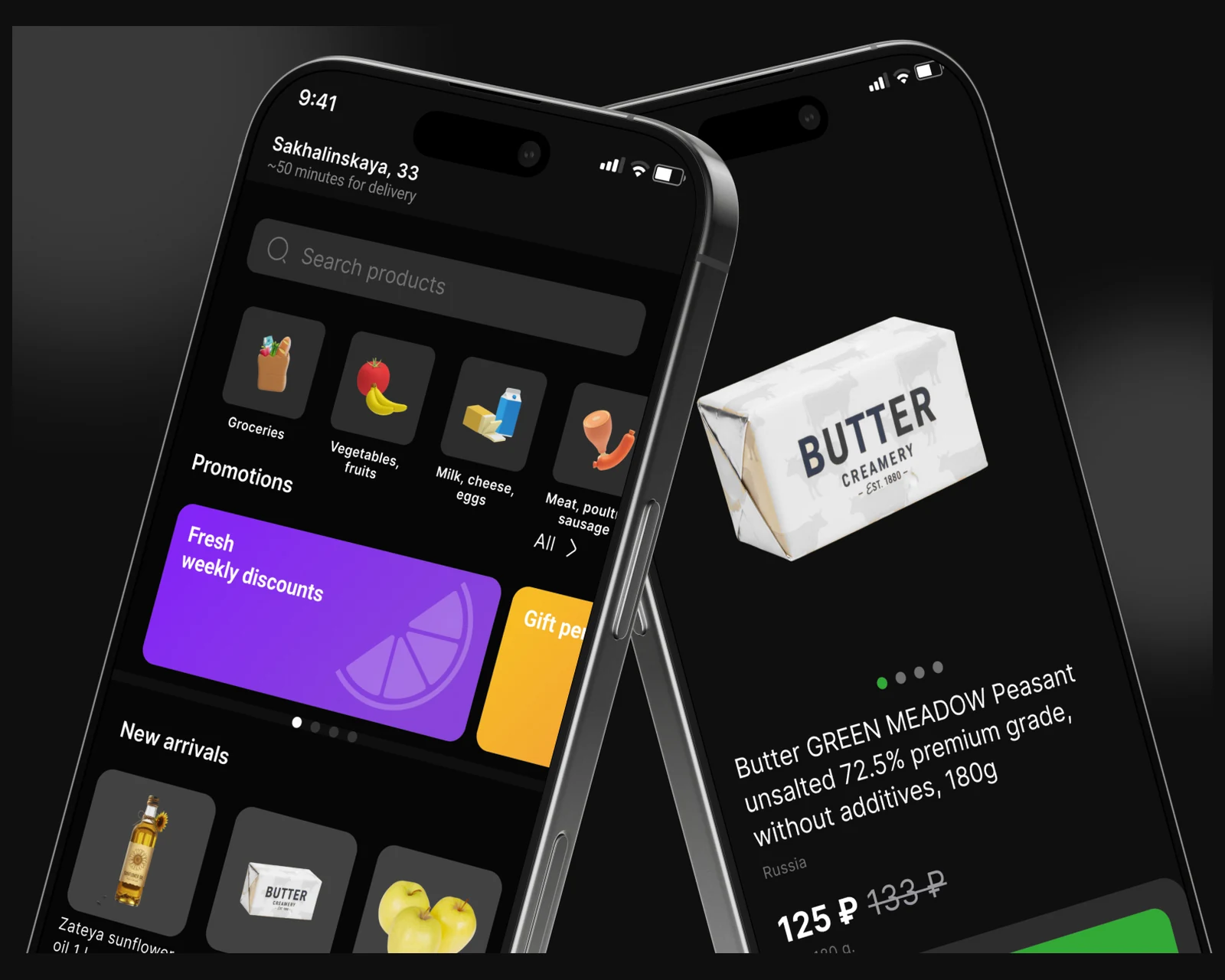
Four coordinated products on one Laravel backend — customer app, picker app, admin panel — with designed-from-scratch logistics.
Why YuSMP
We have shipped React Native 0.74+ New Architecture to the App Store and Play Store — not just upgraded in a test branch. We know the interop edge cases.
EAS Build, Submit and Update wired into CI from day one — store submissions, OTA rollout channels and rollback without manual Xcode or Android Studio intervention.
Mobile apps that work without network are better products. We design sync architectures at the start, not as a retrofit.
FAQ
Yes, as of React Native 0.73+. We default to New Architecture for all new projects — JSI direct bridge, Fabric renderer and TurboModules eliminate bridge serialisation overhead and enable synchronous native module calls. Existing apps are migrated incrementally.
Expo with EAS Build for most projects — it eliminates native build config management, provides OTA updates and CI pipelines out of the box. Bare workflow when we need custom native modules not available in Expo's ecosystem, or specific signing configurations.
We write native modules in Swift (iOS) and Kotlin (Android) with JSI bindings for performance-critical paths. For most integrations, we prefer a community library with active maintenance; we build custom only when no good option exists.
We profile with Hermes profiler and Flipper, identify JS-thread bottlenecks, move heavy computation off the main thread using worklets (Reanimated), and implement FlashList for long lists. JS bundle size is gated in CI.
Yes, via Expo Updates or CodePush. OTA updates are powerful but require discipline — we version update groups, implement rollback policies and test updates on real devices in staging before pushing to production.
We use EAS Submit for automated store submissions — handles provisioning, signing, upload and binary validation. For manual submissions we manage both Apple App Store Connect and Google Play Console including review response.
Response within 1 business day. NDA on request.
Share a few details and a senior consultant will reply within one business day.