dSYM and Proguard upload failures
Missing symbols produce unreadable stack traces. We integrate dSYM upload into the Xcode build phase and Proguard mapping upload into the Gradle release task — automated, not manual.

Sentry Crash Reporting Tracing Release Health
Know about crashes before your users report them. Sentry captures symbolised iOS crash reports (dSYM), Android Proguard-deobfuscated traces and JavaScript source-mapped errors in one unified view — with release health, performance spans and alert routing to Slack or PagerDuty.

We integrate Sentry into iOS, Android and web apps for clients who need production observability beyond what the app store crash reporters show. Sentry's SDK captures breadcrumbs, user context and performance spans alongside the error — so you see not just what crashed, but what the user did before it crashed. We configure dSYM upload for iOS, Proguard mapping upload for Android and source map injection for JavaScript, then define alert rules and triage workflows that route the right issues to the right engineers.
Challenges
Missing symbols produce unreadable stack traces. We integrate dSYM upload into the Xcode build phase and Proguard mapping upload into the Gradle release task — automated, not manual.
Sentry surfaces every error including expected ones, creating alert fatigue. We define ingest filters, fingerprint overrides and alert rules that route only actionable issues.
Sentry's auto-instrumentation adds 2–5 ms to every network request. We configure traces-sample-rate per environment and exclude synthetic and internal traffic.
Stack traces and breadcrumbs can contain user IDs, emails and request bodies. We configure scrubbing rules and data-scrubber patterns before deploying Sentry to production.
Staging and production sessions mixed in one project create noisy release health data. We configure separate Sentry environments with distinct DSNs and release prefixes.
Sentry processes crash data on its servers. For EU clients, we use Sentry's EU region (Frankfurt) and configure the SDK's beforeSend hook to scrub PII before transmission.
Solutions
Automatic dSYM upload for iOS, Proguard mapping for Android and source-map injection for web — readable stack traces from day one.
Session tracking, crash-free user rate and adoption curves per release — catch regressions before they reach the majority of users.
Frontend to backend distributed tracing — see the full request span from a mobile tap through your API to the database query.
Slack, PagerDuty and Jira integrations with filter rules that route the right issue to the right team, not every error to everyone.
beforeSend hooks, server-side scrubbing rules and EU-region deployment to meet GDPR requirements for crash data processing.
Team ownership rules that automatically assign issues to the right squad, with custom dashboards for release health and error rate SLOs.
Stack
Sentry, Sentry SDK (iOS Swift, Android Kotlin, React Native, JavaScript), dSYM upload, Proguard mapping, Fastlane (sentry-cli), Slack, PagerDuty.
Compliance
GDPR-aligned · EU data residency · PII scrubbing · SOC 2 (Sentry Cloud)
Cases
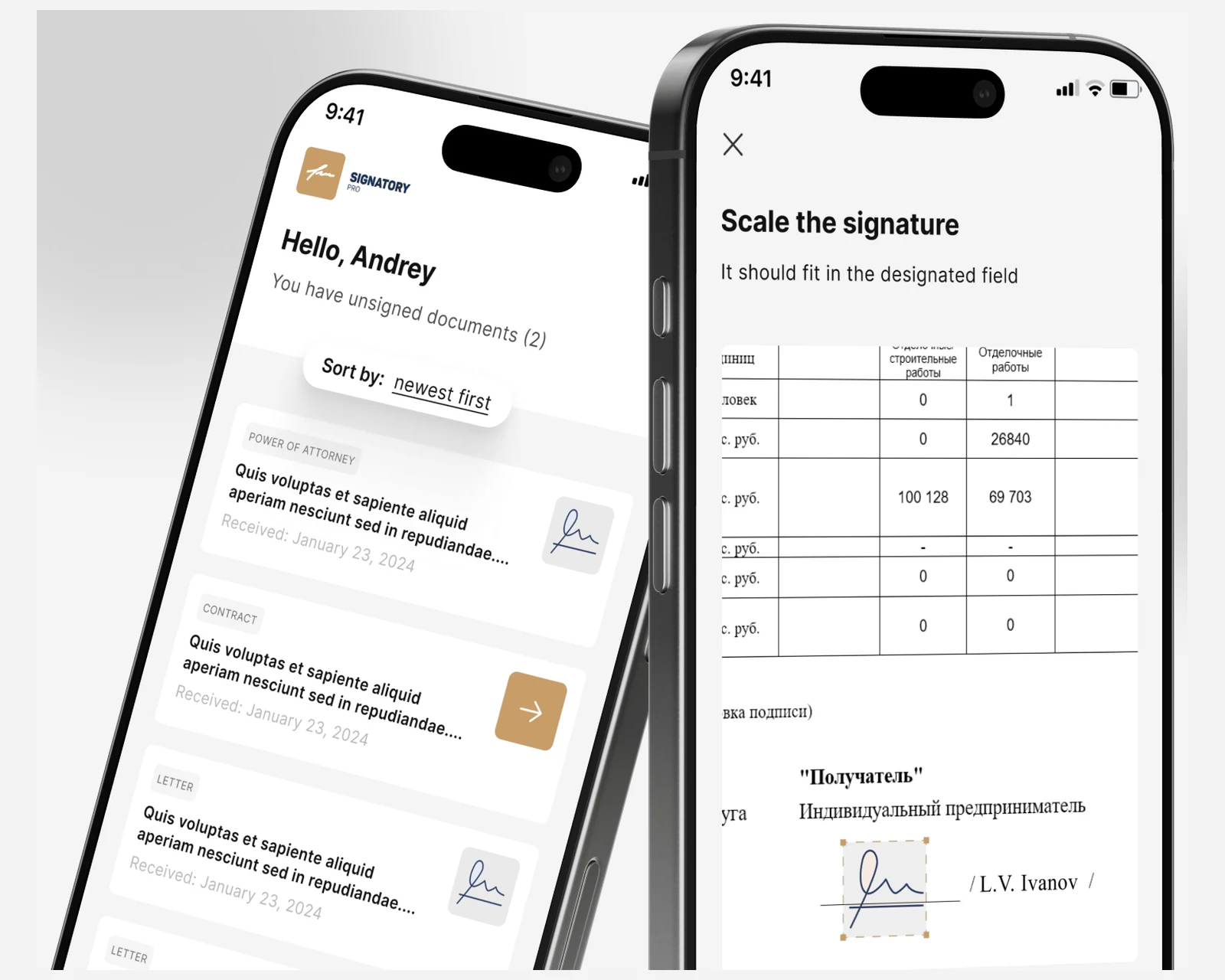
Native iOS and Android e-signature clients with a Symfony + React CRM for a cross-border law firm — KYC onboarding and a defensible evidence trail for US & EU matters.

Unified crypto-ecosystem hub aggregating multiple tokens — live exchange data, search, charts, direct purchase entry point.
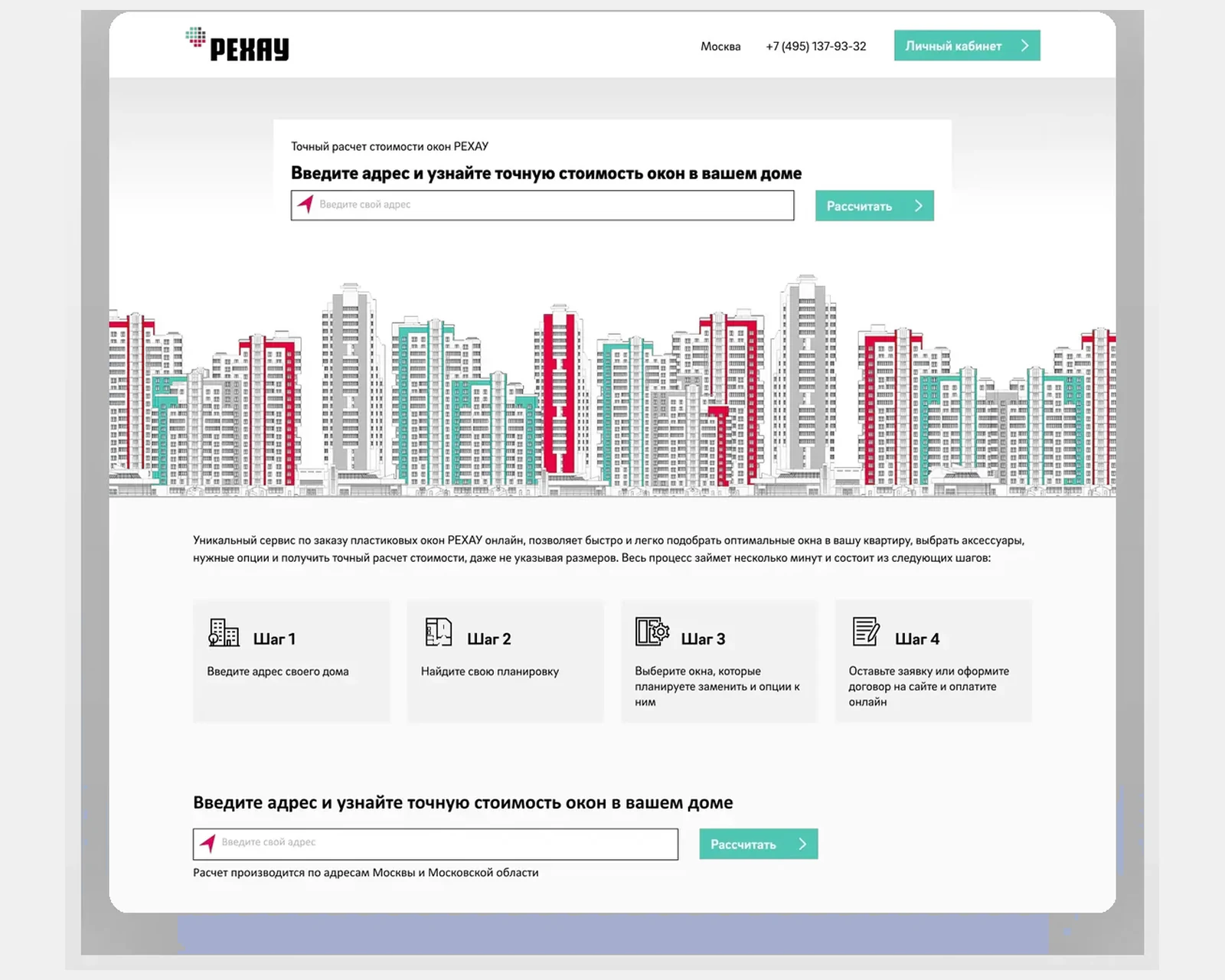
B2B e-commerce and product configurator for a global polymer manufacturer with multi-region pricing, stock and dealer workflows.
Why YuSMP
Automated dSYM and Proguard upload in CI — no manual upload steps, no unreadable stack traces in production.
We configure fingerprint rules and ingest filters so your Sentry inbox shows actionable issues, not noise from known non-critical errors.
iOS, Android and backend traces stitched together — one team configures the full span so you see the whole request lifecycle.
FAQ
Sentry covers mobile crashes, web JavaScript errors, backend exceptions and distributed performance tracing in one platform. Crashlytics focuses on mobile crash reporting and release health. Sentry provides more detailed breadcrumbs, custom context, and integration with the rest of your stack — at the cost of a paid plan at scale.
We integrate sentry-cli dSYM upload into the Xcode build phase as a post-action. Every production build automatically uploads symbols — no manual step, no unreadable traces.
Yes. Sentry has an open-source self-hosted option (Docker Compose). We configure and maintain self-hosted Sentry for clients who require on-premises crash data storage for compliance reasons.
We configure beforeSend hooks to scrub known PII fields (email, phone, user IDs in URLs), set up server-side data-scrubber patterns and use Sentry's EU region for processing. Any sensitive fields that slip through are caught in the PII audit we run before going to production.
Fingerprint overrides to group similar errors, ingest filters to drop known non-critical errors (network timeouts, cancelled requests), alert conditions with minimum event counts and issue owners to route issues to the right team automatically.
Yes. Sentry provides official SDKs for React Native (with Hermes source maps) and Flutter (with dSYM/Proguard upload). We configure both platforms within the same Sentry project with separate environments.
We use Sentry's EU-region deployment (Frankfurt), configure the SDK's beforeSend hook to scrub PII before transmission, set data retention to the minimum required, and document Sentry as a data processor in your GDPR record of processing activities.
Response within 1 business day. NDA on request.
Share a few details and a senior consultant will reply within one business day.