The short version
Google now lets any approved app run its features inside Gemini and Search, and the plug is MCP. The Connected Apps Platform entered preview on October 28, 2026, with one console to register, test and publish an integration to either surface. For companies that rely on well-designed APIs, the work shifts from building screens to exposing clean, secure actions an AI assistant can call.
What did Google announce?
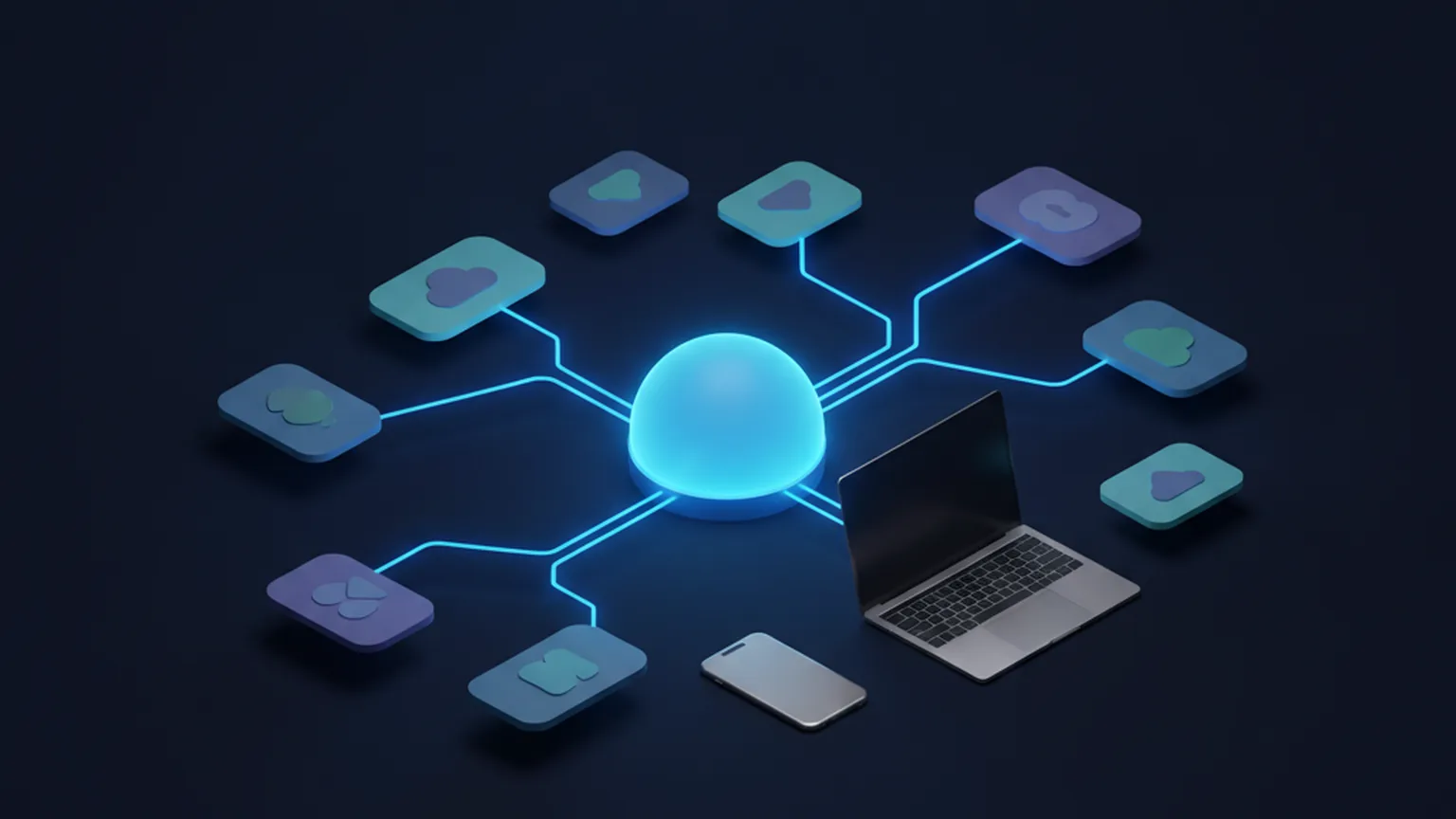
In a post by product leads for Search and the Gemini app, Google described the Connected Apps Platform as a single way for developers to bring their app’s capabilities into both products. Instead of separate programs for each surface, a developer builds one integration and decides where it appears: Search, the Gemini app, or both.
Google says more than 50 Connected Apps are already available across the two surfaces, covering areas from productivity and event ticketing to health and fitness. TechCrunch reports that integrations such as Instacart, Canva, YouTube Music and Yahoo Fantasy Football work in Search, while meditation app Calm is the next partner due on both Search and Gemini.
How does an app plug into Gemini and Search?
There are two technical routes. Web and cross-platform products can host a Model Context Protocol server in the cloud that describes the actions the assistant may call. Android apps can use Android MCP through the AppFunctions APIs, which expose functions of the installed app on the device; teams that already invest in Android development can reuse existing app logic rather than build a separate backend.
The Google Connected Console then covers the release workflow: registering the app, testing it, submitting it for review and picking the target surface. After launch it reports traffic, latency and error rates, and gives developers control over brand identity, including verified logos and authenticated account connections. 9to5Google notes that the Gemini app recently added a Customize page where users manage which connectors are switched on.
Who can use it, and when?
The platform is in preview. Google says it will expand access to more developers, markets and Google products in phases over the coming months, with sign-up at developers.google.com/connected-apps. TechCrunch reports the first wave is a waitlist for US developers. Google has not published pricing, ranking rules or any revenue-share model, so business cases should not assume them yet.
What it means for US & EU software teams
The move follows the pattern of early SEO: when discovery shifts to a new surface, the companies that adapt first set the standard. If users increasingly start tasks in an assistant, an app that cannot be called from there loses those sessions to a competitor that can. That makes the MCP layer a product decision, not just an engineering experiment.
It also changes what “done” looks like. An assistant calls actions, not pages, so the quality of your API contracts, error messages and authentication flow decides whether a task succeeds. For FinTech, HealthTech and e-commerce products, that means scoping what an assistant may do without extra confirmation, logging every agent-initiated action, and checking how account linking and personal data handling fit GDPR or HIPAA obligations before you submit.
What should product teams do now?
- Pick two or three actions. Choose the tasks users would most likely ask an assistant to do, such as booking, reordering or checking status, and start there.
- Build one MCP server, not one per vendor. Keep the action layer assistant-neutral so it can also serve other MCP clients.
- Harden authentication. Use proper account linking with scoped permissions and require explicit confirmation for payments or irreversible changes.
- Design for machine readers. Clear schemas, predictable errors and idempotent operations matter more than UI copy.
- Instrument from day one. Track completed tasks, error rates and latency per action, and compare them with your app and web funnels.
- Join the waitlist early. Access is phased; being in the queue costs little while the integration is built.
Frequently asked questions
What is Google's Connected Apps Platform?
It is a developer platform Google launched in preview on October 28, 2026. It gives app makers one way to bring their app's capabilities into the Gemini app and Google Search, so users can complete tasks such as booking or ordering without leaving the conversation or results page.
How do developers connect an app to Gemini and Search?
Google lists two paths: a cloud-hosted Model Context Protocol (MCP) server, or Android MCP using the AppFunctions APIs. Developers then register, test and submit the integration in the Google Connected Console and choose whether it goes live in Search, the Gemini app, or both.
Who can join the Connected Apps preview?
Access is through a sign-up at developers.google.com/connected-apps. Google says it will open access in phases over the coming months, and TechCrunch reports the preview starts with US developers via a waitlist. Google has not announced pricing or revenue-share terms.
Should my company build a Connected App now?
If your users already ask assistants to do what your app does, start with a small MCP server that exposes two or three high-value actions behind proper authentication. Reuse it across Gemini and other MCP-capable assistants, and measure completed tasks rather than clicks.
Sources
Google — New Connected Apps Platform launches for developers (primary source, October 28, 2026)
TechCrunch — As AI agents reshape the web, Google opens Gemini and Search to more apps (October 28, 2026)
9to5Google — Google adding more Connected Apps to Gemini & Search with new dev platform (October 28, 2026)
Android Central — Google preps more Connected Apps for users and new ways to build for devs (October 2026)