Intent design & conversation flows
Workshop with your support, sales, or ops team to map real user intents from ticket and chat data. Flow diagrams, slot-filling logic, escalation rules, and a written conversation design doc before any code ships.

Services
We design and ship LLM-powered chatbots that pass an eval bar, not a demo. Fixed-scope tiers from $400 to $2,900: a scripted FAQ bot, a lead-qualifying sales bot, an internal manager-assistant bot with tool calls, or an orchestrated multi-agent system. RAG grounding on Pinecone or pgvector, human handoff into Intercom/Zendesk/Salesforce, and full Langfuse observability, with a versioned golden set and Ragas regression tests so hallucination is a tracked SLO. All-in USD pricing, IP transferred on day one, no recruitment markup and no tool surcharges.

GDPR-aligned · ISO 27001 ready · SOC 2 Type II in progress · HIPAA-capable · CCPA-acknowledged · CET workday with 9 AM–1 PM ET overlap
Most chatbots fail in the same three ways: they hallucinate confidently on questions outside their knowledge base, they trap users in dead-end loops instead of handing off to a human, and they ship without an eval suite so nobody can prove month two is better than month one. We build chatbots around those three failure modes. Every conversation flow has an escape hatch to a human agent with full context. Every factual answer is grounded in a retrieval citation. Every release runs against a versioned golden set with Ragas faithfulness and answer-relevance scoring. The bot ships when the numbers say it should, not when the calendar says it should.
Workshop with your support, sales, or ops team to map real user intents from ticket and chat data. Flow diagrams, slot-filling logic, escalation rules, and a written conversation design doc before any code ships.
GPT-4o, Claude 3.7, or Gemini 2.0 picked per workload on the basis of a side-by-side eval against your real data. Function calling for tool use, structured outputs for ticket creation, and routing logic that fails safe.
Ingestion pipeline for docs, help center articles, Confluence, Notion, SharePoint, and Zendesk macros. Pinecone or pgvector index with hybrid search, citation rendering, and confidence-based refusal when retrieval is weak.
Web widget, Slack, Microsoft Teams, WhatsApp Business via Twilio or Meta Cloud API, SMS, Telegram, and voice via Twilio or LiveKit. Channel-agnostic conversation engine: same flows, same RAG, same eval suite.
First-class integration with Intercom, Zendesk, Salesforce Service Cloud, Front, HubSpot. Handoff carries transcript, detected intent, citations, and confidence score. Triggers tuned against your CSAT and AHT targets.
Langfuse tracing on every conversation, Helicone cost dashboards, Posthog session replay, GA4 funnels, weekly eval regression reports, and a monthly improvement loop where low-confidence answers feed back into the golden set.
Weeks 1–3: mine your ticket and chat data, run intent workshops with support/ops, write the conversation design doc, pick the LLM via side-by-side eval, build the golden set v0. Go/no-go before MVP build.
Weeks 4–7: ingestion pipeline, vector index, hybrid retrieval, top intents wired with tool calls, structured outputs, citation rendering. Ragas eval running on every PR. Confidence thresholds tuned against the golden set.
Weeks 8–9: launch channel (web, Slack, Teams, or WhatsApp), human handoff into your support tool with full context, escalation triggers, analytics dashboards, runbooks for incidents.
Week 10 onward: canary rollout to 10 percent, then 50, then 100. Weekly eval regression review, monthly intent expansion, quarterly model upgrade ablation. Production support runs as a retainer if you want it.
1–2 weeks. Scripted FAQ and deflection bot on one channel: your top questions answered, clean fallbacks and a human-handoff escape hatch. From $400.
2–3 weeks. Lead-qualifying conversational bot with slot-filling and CRM handoff — capture, qualify and route leads into your pipeline. From $1,100.
3–4 weeks. Internal ops assistant with tool calls and RAG grounding — answers from your knowledge base and actions against your internal systems. From $1,400.
4–6 weeks. Orchestrated multi-bot system — specialised agents behind a router, shared RAG index, eval harness and full observability. From $2,900.
Fixed-scope, all-in USD pricing. IP transferred on day one, no recruitment markup, no tool surcharges. LLM API consumption runs on your own accounts, so you keep the cost lever and zero-retention contractual terms.
Most agencies hide the number until a sales call. Here are our fixed-scope USD tiers so you can budget before discovery. Every chatbot is scoped individually, but these four tiers cover the common path from a scripted FAQ bot to an orchestrated multi-agent system your team owns. All-in USD, no recruitment markup, no tool surcharges — you see the line-item budget at the end of discovery and sign off before any code is written.
FAQ bot
from $400
1–2 weeks · scripted FAQ & deflection
One channel, your top questions answered with clean fallbacks and a human-handoff escape hatch. The fastest way to cut repetitive tickets.
Sales bot
from $1,100
2–3 weeks · lead-qualify + CRM handoff
Conversational lead capture with slot-filling and qualification, routing qualified leads straight into your CRM pipeline.
Manager-assistant bot
from $1,400
3–4 weeks · internal ops + tool calls
Internal assistant with RAG grounding and tool calls — answers from your knowledge base and actions against your internal systems.
Multi-agent system
from $2,900
4–6 weeks · orchestrated multi-bot
Specialised agents coordinated by a router, a shared RAG index, eval harness and full observability for complex, multi-step workflows.
What moves the number within a tier: how many channels you launch (web, Slack, Teams, WhatsApp — each additional one adds time); the size and messiness of the knowledge base behind RAG; how many support or CRM tools the handoff integrates (Intercom, Zendesk, Salesforce Service Cloud); and compliance scope (GDPR-aligned, HIPAA-capable, or PCI DSS work raises the bar). Fixed-scope, all-in USD pricing — IP transferred on day one, no recruitment markup, no tool surcharges. You see the line-item budget at the end of discovery and sign off before any code is written. LLM API consumption runs on your own accounts, so you keep the cost lever.
The four tiers are not a quality ladder where more money buys a better bot — they map to different jobs. Pick by the outcome you need, not by budget. Here is how we help teams choose in the first discovery call.
Your support inbox is dominated by a few dozen repeat questions — hours, pricing, returns policy, reset instructions. You want ticket deflection on one channel fast, and you do not yet need the bot to take actions or read a large knowledge base. This is the cheapest path to a measurable reduction in repetitive volume, and it upgrades cleanly into a RAG-grounded assistant later without a rebuild.
You are losing leads because nobody replies fast enough at night or on weekends. The job is capture, qualify and route — slot-filling the fields your sales team needs, scoring intent, and dropping a qualified lead straight into your CRM pipeline with the full conversation attached. Success is measured in booked calls and pipeline, not deflected tickets.
The value is internal: your ops, HR or support managers waste hours looking things up across Confluence, Notion, SharePoint and internal tools. This tier adds RAG grounding on your knowledge base plus tool calls that act against your systems — look up an order, create a ticket, check a policy — behind role-based access and an audit trail. It pays back in staff hours, not deflected external tickets.
One prompt can no longer do the job well: you have distinct domains (billing, technical, account) or multi-step workflows that need specialised agents behind a router, a shared retrieval index and full observability. Reach for this only when a single-bot design has hit its ceiling — it is the most capable tier, but also the one that most rewards a mature eval harness and clear ownership.
Not sure which line you are on? Bring your last month of tickets or chat logs to the discovery call — we size the tier against real volume and intent distribution, not a guess, and every tier shares the same RAG, eval and handoff foundation so moving up later is an extension, not a rewrite.
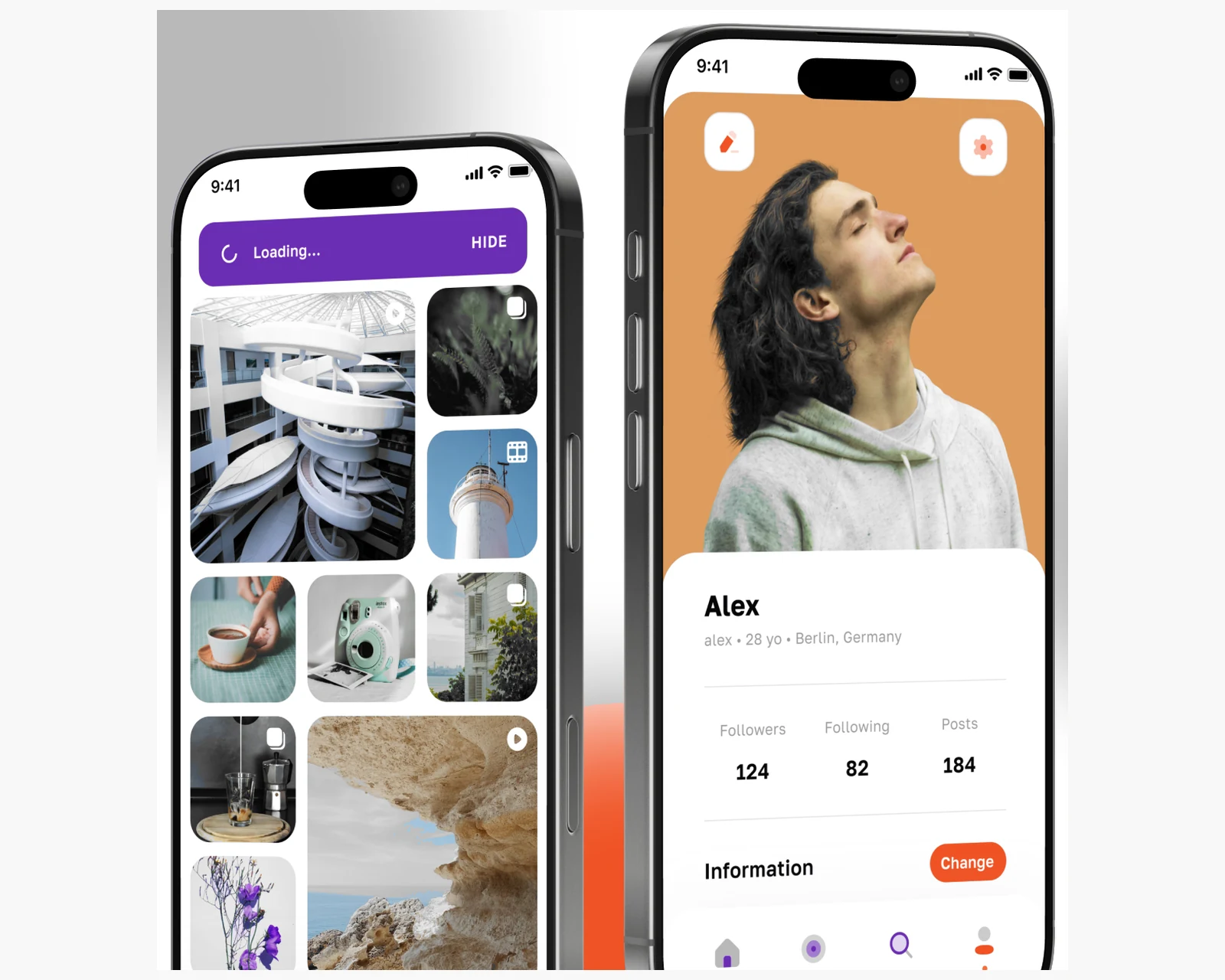
Production social platform — App Store + Google Play, live across the US and EU — with geo Radar, encrypted messaging and a virtual economy.
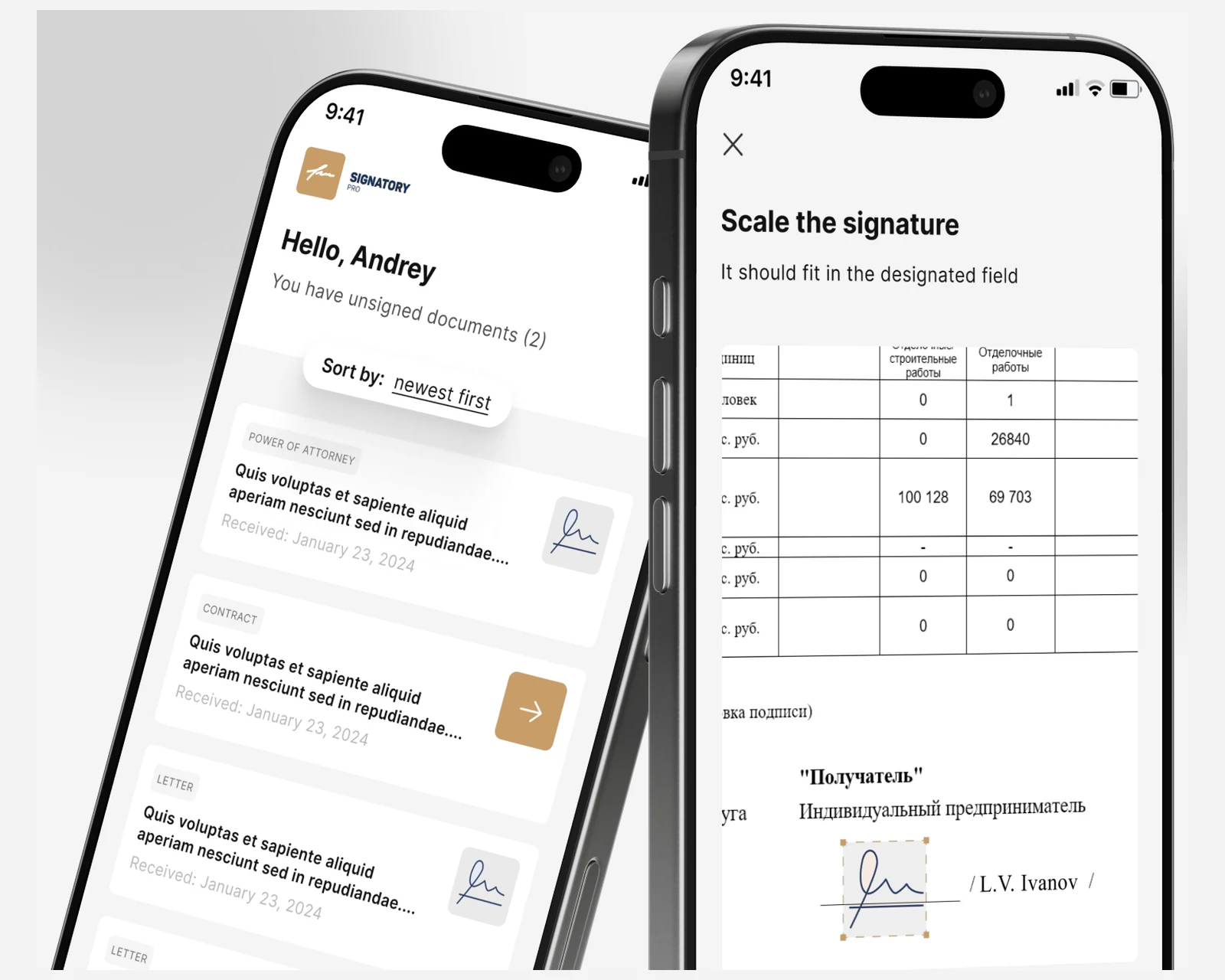
Native iOS and Android e-signature clients with a Symfony + React CRM for a cross-border law firm — KYC onboarding and a defensible evidence trail for US & EU matters.
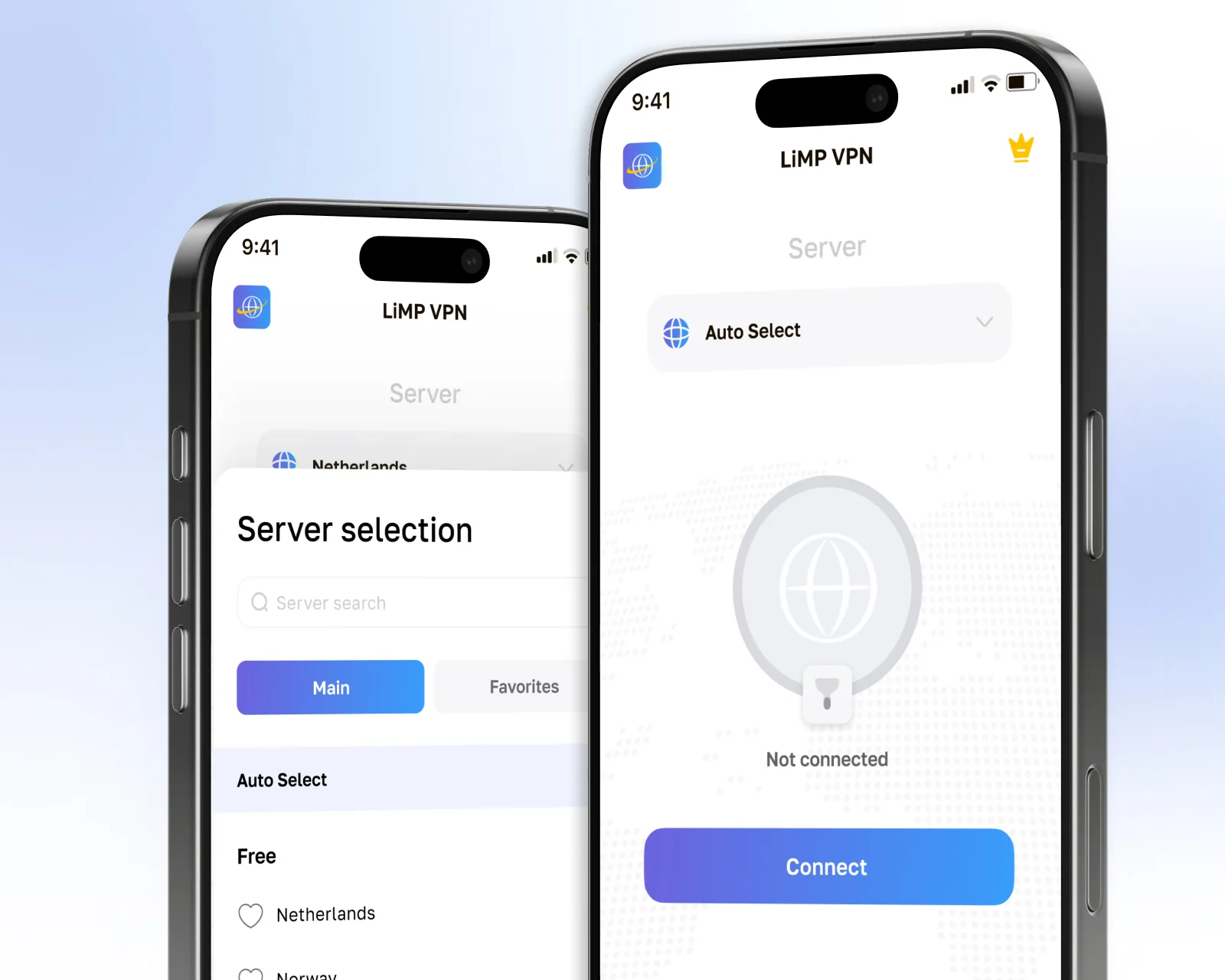
Consumer WireGuard VPN app for iOS and Android with zero-log architecture, launched across the US and EU.
A support assistant is only as safe as its fit with your regulatory and operational reality. We pair conversation engineering with industry-specific compliance across US & EU markets, and pull in our sibling AI, ML & data, GenAI integration and RAG-as-a-service teams when a knowledge base needs them.
Support and servicing bots for balance, dispute and KYC queries with PCI DSS-scope data handling, PII redaction before any prompt, and human handoff on every irreversible action.
FinTech chatbots →HIPAA-capable, GDPR-aligned assistants for intake, appointment and records-retrieval questions — EU-region hosting, documented data flows and sync-approval gates on clinical actions.
HealthTech chatbots →Order-status, returns and product-finder bots grounded in your catalogue and help centre via RAG, with confidence-based refusal and clean handoff into Zendesk or Intercom.
Retail chatbots →Shipment-tracking, ETA and exception-handling assistants over changing state, wired to your existing APIs under strict tool schemas and deployed across web, WhatsApp and voice.
Logistics chatbots →Intake, matter-triage and policy-lookup assistants grounded in your document set, defaulting to Claude for long-context refusal calibration, citing every clause, and escalating to a human on anything that reads like legal advice.
LegalTech chatbots →Quote, claim-status and coverage-explainer bots grounded in your policy documents, with PII redaction before any prompt, strict tool schemas for claim actions and human handoff on every underwriting or payout decision.
InsurTech chatbots →GDPR-aligned · ISO 27001 ready · SOC 2 Type II in progress · HIPAA-capable · CCPA-acknowledged
Faithfulness, answer relevance, and context precision are tracked in Langfuse and reviewed weekly. If a release regresses the golden set above the agreed threshold, the merge is blocked — not shipped behind a feature flag.
We use Voiceflow and Botpress when they fit, but the conversation engine is code in your repo. No vendor lock-in, no surprise per-message fees, no “the platform is down” phone calls on a Tuesday afternoon.
LLM APIs run on your provider accounts, Helicone shows real-time spend per intent, and we ship cost-optimization recommendations monthly: cheaper models for high-volume intents, prompt compression, prefix caching.
For regulated workloads we sign HIPAA BAAs, route to HIPAA-eligible LLM endpoints, and integrate with your existing data governance and DLP — not parallel to it.
Telecom self-service is only useful if customers actually prefer it to calling support. YuSMP built iOS and Android apps with balance management, plan switching, and usage analytics that cut our call centre volume by 30% in the first quarter post-launch.
It depends on the workload, not on brand loyalty. GPT-4o leads on tool-calling reliability and structured-output adherence at low latency; we default to it for transactional support bots that hit APIs. Claude 3.7 leads on long-context grounding and refusal calibration; we default to it for legal, compliance, and policy-heavy assistants. Gemini 2.0 leads on cost per token at frontier quality for high-volume read-heavy workloads. Every engagement starts with a side-by-side eval against your real ticket data, presented as a written comparison with cost, p95 latency, and refusal-rate numbers before we pick.
Three layers. First, RAG grounding: every factual answer cites a passage from your knowledge base via Pinecone or pgvector, and the LLM is prompted to refuse when retrieval confidence is below a tuned threshold. Second, the eval harness: a golden set of 300 to 800 real questions with labelled correct answers, scored every release with Ragas (faithfulness, answer relevance, context precision/recall) plus rubric-based LLM-as-judge. Third, monitoring in production: Langfuse traces every conversation, flags low-confidence answers for human review, and feeds them back into the golden set. Hallucination rate is a tracked SLO, not a vibe.
Yes, and the handoff is a first-class part of the design, not an afterthought. We integrate with Intercom, Zendesk, Salesforce Service Cloud, Front, and HubSpot Service Hub via their native APIs. The handoff includes the full conversation transcript, the user intent the bot detected, retrieval citations, and a confidence score so the human agent has context. Handoff triggers are configurable: explicit user request, low confidence, sensitive intent (billing dispute, legal, complaint), or after N failed clarifications. We tune the threshold against your CSAT and AHT targets in the first month.
Web chat widget (vanilla JS or React drop-in), Slack, Microsoft Teams, WhatsApp Business via Twilio or Meta Cloud API, SMS, Telegram, Intercom Messenger, Facebook Messenger, and voice via Twilio Voice or LiveKit. The conversation engine is channel-agnostic: same flows, same RAG index, same eval suite. Channel-specific work is mostly authentication and rich-message rendering. A typical second channel adds two to three weeks; a third channel adds one. WhatsApp Business takes longer because of Meta template approval, which is paperwork, not engineering.
Engagement starts with a GDPR-aligned DPA and a data flow diagram showing every place a user message lands. EU clients run on EU regions only (AWS eu-west-1, eu-central-1, GCP europe-west). PII redaction (Presidio plus custom rules) runs before any prompt hits the LLM provider. Conversation logs are retained per your policy with right-to-erasure tooling built in. For Anthropic, OpenAI, and Google we use zero-retention API endpoints where available. We are GDPR-aligned, ISO 27001 ready, SOC 2 Type II in progress, HIPAA-capable for healthtech, and CCPA-acknowledged for US consumer products.
Chatbots are fixed-scope and quoted all-in in USD across four tiers. A scripted FAQ and deflection bot starts from $400 (1–2 weeks). A lead-qualifying sales bot with CRM handoff starts from $1,100 (2–3 weeks). An internal manager-assistant bot with tool calls and RAG grounding starts from $1,400 (3–4 weeks). An orchestrated multi-agent system starts from $2,900 (4–6 weeks). You see the line-item budget at the end of discovery and sign off before any code is written. There is no recruitment markup and no tool surcharge; LLM API consumption runs on your own accounts, so you keep the cost lever.
Both, chosen deliberately. We use Voiceflow and Botpress when a visual flow builder genuinely speeds delivery on a simple, stable bot — but the conversation engine ships as code in your repository, not locked inside a vendor console. That means no per-message platform fees, no vendor lock-in, and no “the platform is down” incident outside your control. For anything with RAG grounding, tool calls, or an eval harness, custom code is the default because those need version control, CI, and test coverage that no-code tools do not give you.
Yes — that is the manager-assistant and multi-agent territory. The bot calls your APIs through typed tool schemas: look up an order, create a Zendesk ticket, check inventory, update a CRM record, trigger a workflow. Every tool has strict input validation, and irreversible or sensitive actions (refunds, cancellations, data changes) go behind a confirmation step or a human-approval gate by default. Actions are logged with the full reasoning trace in Langfuse, so you have an audit trail of what the bot did and why.
Yes. The frontier models we use (GPT-4o, Claude 3.7, Gemini 2.0) are natively multilingual, so conversation handling across English and major EU languages needs no separate model per language. The real work is in the knowledge base: we either maintain per-language RAG indexes or translate-at-retrieval depending on how your content is authored, and we extend the golden set with per-language eval cases so answer quality is measured in each language, not assumed from English. Language detection and per-language fallbacks are part of the flow design.
You do, from day one. IP is transferred at the start of the engagement, not held hostage until final payment. The conversation engine, prompts, RAG pipeline, eval golden set and infrastructure-as-code all live in your repository and your cloud accounts. LLM API consumption also runs on your own provider accounts, so you keep the cost lever and any zero-retention contractual terms. There is no proprietary runtime you have to keep paying us to access — if you part ways with us, the bot keeps running.
Optionally, as a monthly retainer — and it is where a chatbot earns its keep. Post-launch work is a loop: Langfuse flags low-confidence and thumbs-down conversations, we fold them into the golden set, expand intents, and run a weekly eval regression so you can prove month two beats month one. Retainers also cover model-upgrade ablations (moving from one frontier model to a cheaper or newer one is a measured A/B, not a leap of faith), prompt and cost optimisation, and new-channel rollout. If you would rather run it in-house, we hand over runbooks and train your team instead.
Against the metric that matches the tier, agreed before build. For a FAQ bot it is deflection rate and CSAT on bot-handled conversations. For a sales bot it is qualified leads and booked calls. For a manager-assistant bot it is staff hours saved and time-to-answer. Underneath all of them sit the engineering SLOs — faithfulness, answer relevance, containment, p95 latency and cost per conversation — tracked in Langfuse and Helicone and reviewed weekly. You get a dashboard, not a quarterly slide claiming success.
Practical guides on AI chatbot development, LLM selection, and integration patterns.





Share a few details and a senior consultant will reply within one business day.