Services

HubSpot Development Services for US & EU RevOps Teams

Senior HubSpot engineers who treat the platform as a real product surface, not a drag-and-drop toy. Sales Hub + Marketing Hub + Operations Hub + CMS Hub on Enterprise tier, custom objects with proper associations, Workflows with custom-coded Node.js actions, CRM API v3 integrations, data sync to Snowflake/BigQuery, HubL themes under Git with CI deploys. We are HubSpot Solutions Partner program members and ship to portals that already serve thousands of users without breaking the daily API limit. Fixed-scope and all-in USD, tiered by how much CRM you need: tuning an existing portal from $1,100, a CRM MVP from $2,900, a custom CRM data model from $6,900, and a full CRM platform up to $13,800. You see the line-item budget at the end of discovery and sign off before any code is written.

HubSpot CRM development workspace for RevOps automation and sales pipeline
9+Years in business
80+Senior engineers on staff
120+Projects delivered
71Client NPS

Engineers who write the Node.js, not just click the Workflow builder · HubSpot Solutions Partner program members · GDPR-aligned · ISO 27001 ready · SOC 2 Type II in progress · CET workday with 9 AM–1 PM ET overlap

HubSpot stopped being a marketing tool five years ago. For most of our clients it is the operational system of record — the place where the sales rep updates a deal, the CSM tracks a renewal, the marketer runs lifecycle automation, the ops engineer reconciles records against the product database, and the finance team pulls forecast numbers. Run that surface as a real system and you need real engineering: custom objects that match your business, Workflows with custom-coded actions, Operations Hub data sync to your warehouse, CMS Hub themes under version control, and integrations that respect the 250k/day Enterprise API ceiling. That is the work we do. It sits alongside our broader custom software development and SaaS development practice when the HubSpot portal is one system inside a larger product estate, and inside digital transformation programs where RevOps is being rebuilt end to end.

What's inside a HubSpot engagement

Custom objects + data model

Custom objects with proper associations and labels, partition strategy across pipelines, property groups that scale past 200 fields, migration from overloaded Deal pipelines, and CRM card UI for the records reps actually use day to day.
Workflows + custom-coded actions

Node.js custom-coded Workflow actions for round-robin assignment, multi-step approvals, external scoring calls, and GDPR data redaction. Operations Hub programmable automation with proper error handling and audit logging.

Sales + Marketing Hub config

Lifecycle stages that match your funnel reality, lead scoring (predictive + custom), sequences with proper enrollment criteria, attribution reports, smart content rules, and forecasting that the VP of Sales will actually defend.

Data sync to warehouse

Operations Hub data sync or reverse-ETL (Hightouch, Census, Segment) to Snowflake/BigQuery/Postgres. Bi-directional field mapping with conflict rules, schema-drift handling, and a contract your data team can build dashboards on.

CMS Hub themes + serverless

HubL themes built from scratch in a Git repo, multi-brand multi-language CMS Hub Enterprise rollouts, serverless functions for gated content and Stripe checkout, and proper CI/CD with the HubSpot CLI per environment.

Integrations + private apps

Salesforce-to-HubSpot migration and bi-directional sync, Stripe/Chargebee billing, Intercom/Zendesk ticket sync, Slack channel routing, and custom HubSpot private apps that other SaaS vendors install in your portal.

HubSpot surface we cover

Sales Hub Enterprise Marketing Hub Enterprise Operations Hub Enterprise Service Hub CMS Hub Enterprise Custom Objects CRM API v3 Webhooks API Workflows API Custom-coded Actions HubL + HubDB Serverless Functions Private Apps UI Extensions (CRM Cards) Data Sync Reverse-ETL (Hightouch, Census) Segment / RudderStack Salesforce ↔ HubSpot Stripe / Chargebee HubSpot CLI + CI/CD

How a HubSpot engagement works

  1. 01

    Portal audit

    Week 1: full portal audit covering data model, properties, Workflows, integrations, API consumption, lifecycle stages, lead scoring, and CMS Hub assets. Written report with risks, quick wins, and a 90-day roadmap.

  2. 02

    Data model + objects

    Weeks 2–4: custom object design, association map, property cleanup, deduplication rules, and the migration plan from your current overloaded Deal/Contact schema. RevOps owner sign-off before any production change.

  3. 03

    Build + integrate

    Sprint cadence: Workflows, custom-coded actions, private apps, CMS Hub themes, and integrations to product backend and warehouse. All code in Git, deployed via HubSpot CLI through CI per sandbox → production.

  4. 04

    Operate + iterate

    Monthly RevOps review, API consumption dashboard, Workflow error monitoring, and quarterly roadmap recalibration against new HubSpot features (UI Extensions, Breeze AI, Operations Hub additions).

RevOps teams we engineer HubSpot for

The messier the revenue motion — multi-product, multi-entity, compliance-bound — the more HubSpot has to be engineered rather than configured. These are the revenue-operations profiles we know at code level; the CRM and lead-routing discipline carries over even where the earlier build ran on another platform.

Financial services & dealer networks

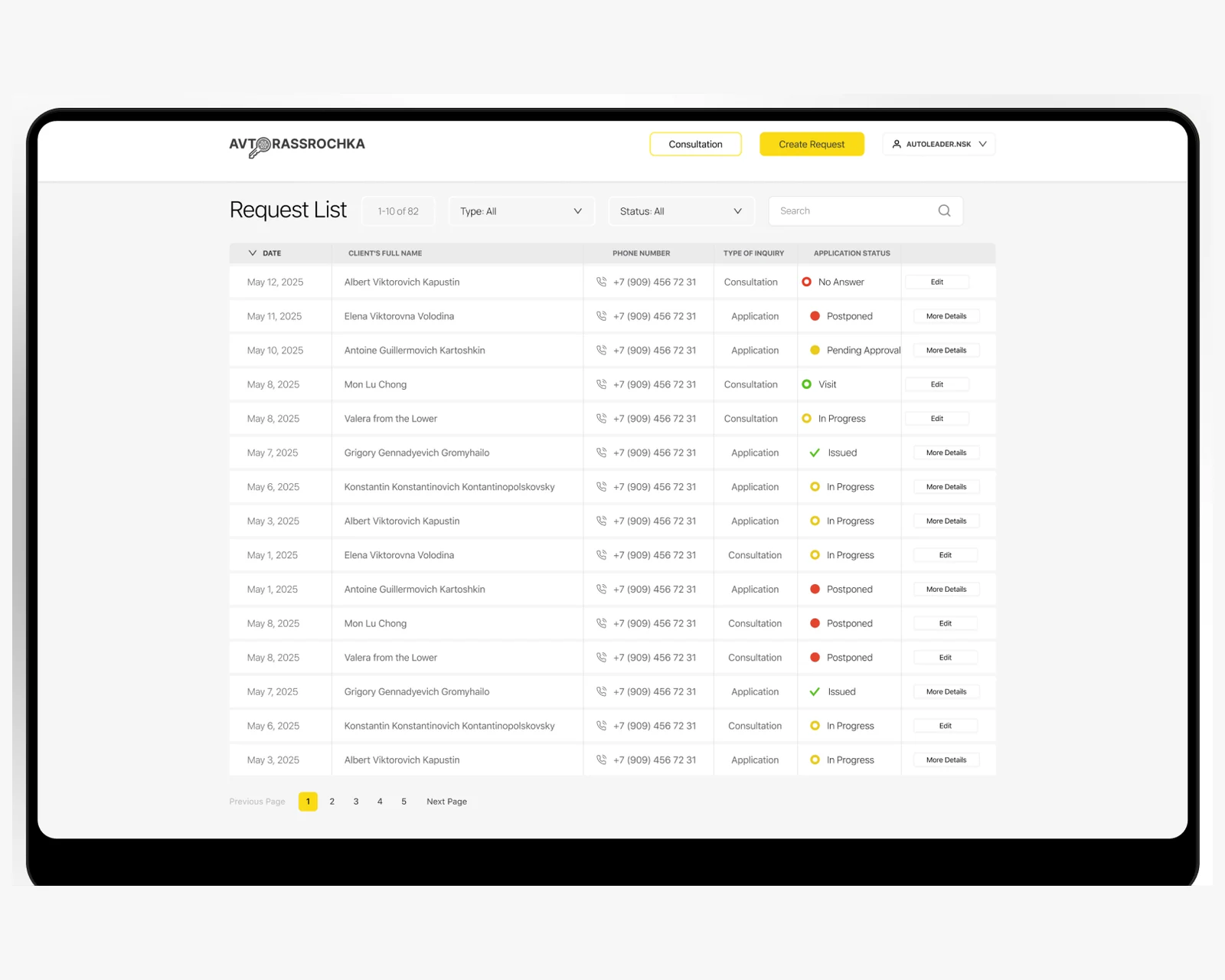
Lead-to-deal pipelines where every enquiry has to land in one tracked queue with real-time routing, and where the data model outgrows stock Deals fast. We built exactly that discipline — single tracked lead queue with CRM sync — for the dealer platform in our AutoFinance case, and bring it to HubSpot as custom objects, round-robin assignment and forecast reporting.

See the dealer-platform build →

Professional services & legal

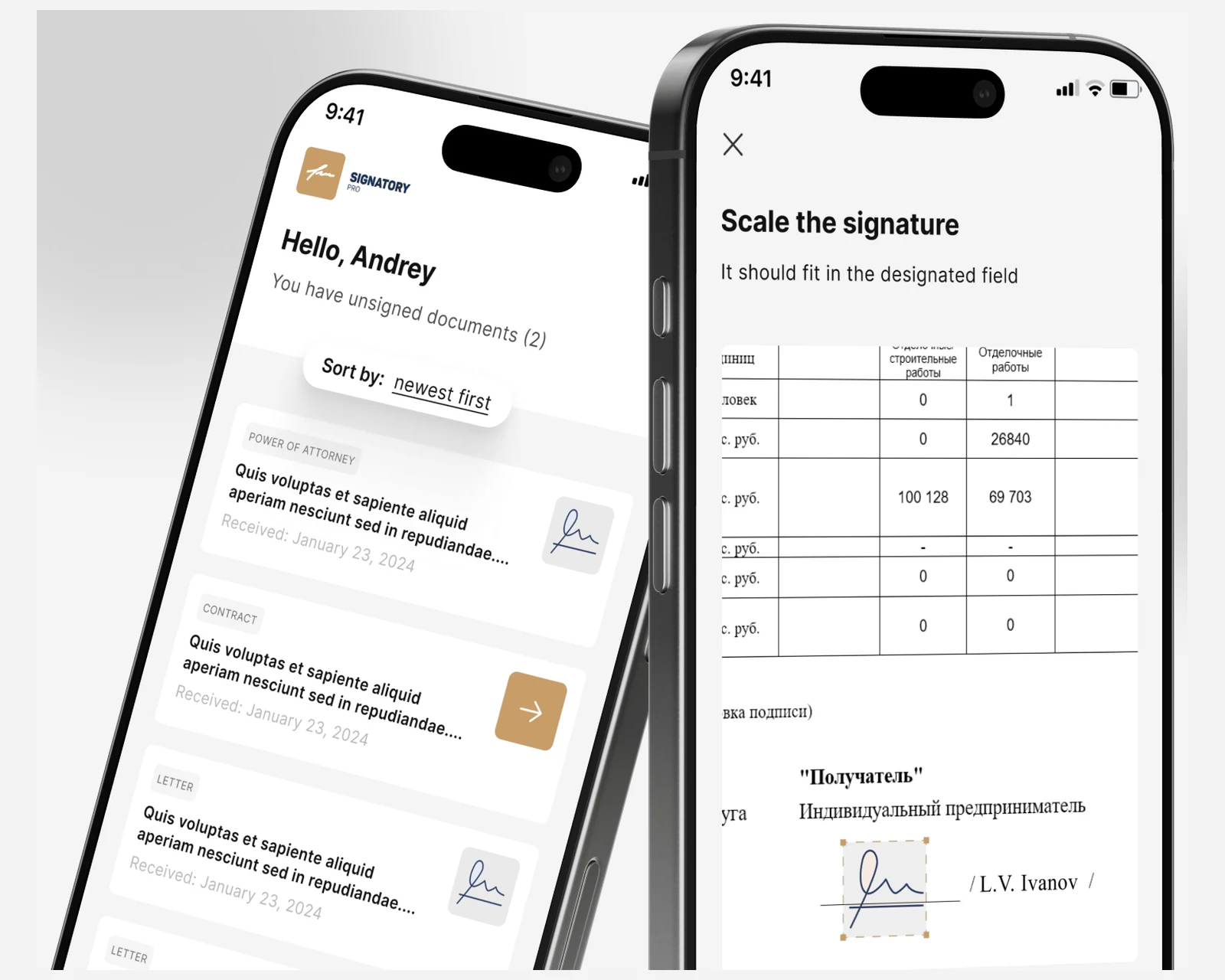
Matter- and engagement-driven pipelines with KYC onboarding, document trails and a defensible audit record across US & EU. Our Signatory Pro build paired native clients with a custom CRM and evidence trail — on HubSpot that becomes custom objects for matters, GDPR subscription types and Operations Hub data-retention Workflows.

See the legal CRM build →

Marketplaces & B2B platforms

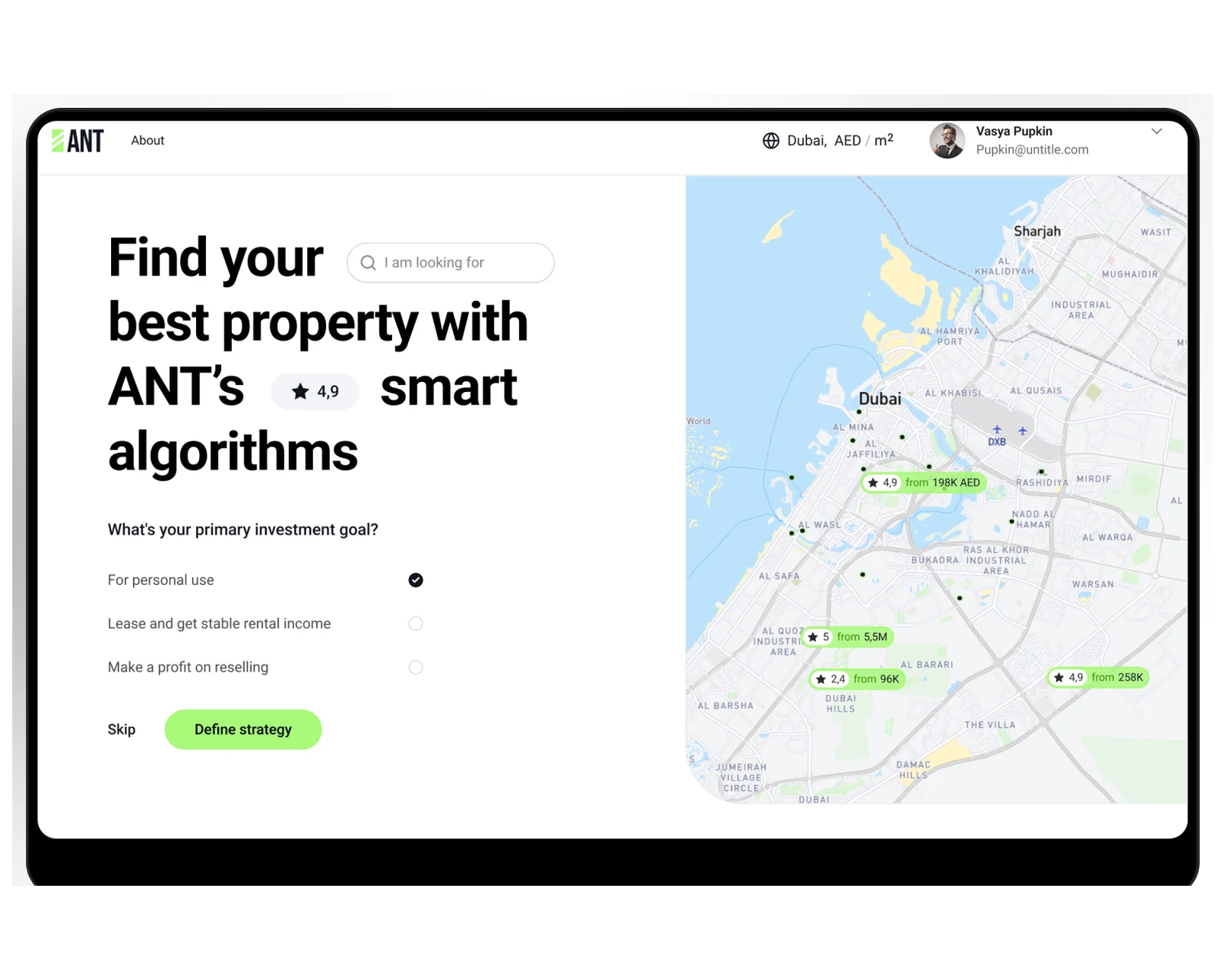
Two-sided and B2B operations where a listing CMS, an admin console and a sales pipeline all have to stay in sync. Our ANT PropTech marketplace shipped exactly this admin-plus-pipeline shape for US & EU operators — on HubSpot it maps to custom objects, CMS Hub themes and private-app integrations to the product backend.

See the marketplace build →

SaaS & subscription businesses

Subscription-revenue operations where Stripe billing events land in HubSpot deal stages, trial-to-paid Workflows fire on MRR thresholds, and churn-risk scores from your product database surface on the contact record before a CSM acts. We wire Operations Hub data sync to the warehouse, custom-coded actions for renewal routing, and CRM cards that show usage telemetry without leaving HubSpot.

See SaaS development practice →

HealthTech & life sciences

HIPAA-capable HubSpot portals where PHI never flows into standard contact properties, BAA terms govern the data sync, and Operations Hub Workflows enforce HIPAA minimum-necessary data-retention rules. We run the HubSpot data-classification review and document the Article 30 record of processing for your DPO — the same HIPAA-aware discipline we apply across our HealthTech practice.

See HealthTech practice →

E-commerce & omnichannel retail

Omnichannel revenue operations where a single contact can be a wholesale buyer, a loyalty member, and an online shopper — each with different lifecycle stages, lead scoring weights and attribution touchpoints. We model these as custom objects (Orders, Subscriptions, Loyalty accounts) with proper associations, sync order history from Shopify or a custom backend via Operations Hub, and expose inventory data through CRM cards reps use during upsell calls.

See e-commerce & retail practice →

What a HubSpot CRM build costs

Fixed-scope, all-in USD pricing, tiered by how much CRM you actually need. IP is assigned on day one, with no recruitment markup and no tool surcharges. You see the line-item budget at the end of discovery and sign off before any code is written; your HubSpot license runs on your own account, so you keep the cost lever.

Tune existing CRM

from $1,100

1–2 weeks · bounded fix

A bounded fix to a portal already in production — clean up the data model, repair broken Workflows, add a custom-coded action or a missing integration, and document what changed.

CRM MVP

from $2,900

3–4 weeks · first working CRM

A first working CRM in HubSpot — pipelines and lifecycle stages that match your funnel, lead routing, core Workflows, and reporting the sales lead will actually defend.

Custom CRM

from $6,900

5–8 weeks · custom data model

A custom data model on HubSpot — custom objects with proper associations off overloaded Deals, custom-coded Workflow actions, and a warehouse or product-backend integration.

CRM platform

from $13,800

8–12 weeks · full platform

A full CRM platform — multi-object model, Salesforce-to-HubSpot migration, Operations Hub data sync, CMS Hub themes under Git, private apps, and monitoring against the Enterprise API ceiling.

NDA, DPA, and IP assignment signed before kickoff.

What moves the number: the number of custom objects and the depth of the data-model migration off overloaded Deals; integration volume and pattern (direct CRM API v3 vs Operations Hub data sync vs a Segment/reverse-ETL bus — see the integration FAQ); how much lives in custom-coded Workflow actions and CMS Hub serverless functions rather than stock steps; the Hub tier your license already runs (custom objects and programmable automation need Enterprise); and GDPR/EU-residency scope for European portals. Every tier is scoped from a Week-1 portal audit — no rate on this page is invented, and we will not pitch a Hub tier your license does not support.

Why US & EU RevOps teams pick YuSMP for HubSpot

GDPR-aligned · ISO 27001 ready · SOC 2 Type II in progress · HIPAA-capable · CCPA-acknowledged

Engineers, not configurators

Our HubSpot team writes Node.js, ships CI pipelines, reviews PRs, and runs API consumption dashboards. We can also configure a Workflow in the UI — but most of our value sits above that line, in the code and the data model.

Solutions Partner discipline

Every developer holds current HubSpot technical certifications. We follow the Solutions Partner methodology for sandbox → production deploys, no cowboy edits on live portals, and full change-log discipline against the audit trail.

Compliance-fluent

GDPR subscription types, double opt-in for EU contacts, lawful-basis tracking, EU data residency configuration, and proper consent banner integration with HubSpot tracking — not the broken default behavior most agencies ship.

For regulated industries (FinTech, HealthTech, InsurTech) we run a separate HubSpot data-classification review and document the Article 30 record of processing your DPO will sign off on.

What clients say

We needed a landing page that converts and routes leads to our team in real time. YuSMP delivered a Tilda build with a custom webhook-to-Telegram pipeline. Our sales team gets notified instantly and average response time is now under five minutes.
Camille Moreau, Head of Marketing, ARIAView case →
A renovation service site needs to convert visitors quickly or lose them to a competitor. YuSMP built a Tilda-based site that captures enquiries, routes them instantly, and loads fast on mobile. Our conversion rate is up 35% versus the old brochure page.
Paul Rennard, Marketing Director, FinishRemontView case →

Frequently asked questions

Do you work in Sales Hub, Marketing Hub, Operations Hub and CMS Hub or only one?

All four, plus Service Hub when the RevOps team owns ticket pipelines. Most of our work spans Sales Hub Enterprise (deals, custom objects, sequences, forecasting), Marketing Hub Enterprise (smart content, lifecycle stages, attribution), and Operations Hub Professional or Enterprise (programmable automation, data quality, custom-coded actions in Workflows). CMS Hub Enterprise comes in when marketing wants HubL themes, multi-language sites with brand domains, and serverless functions. We do not pretend HubSpot is one product — each Hub has its own data model and limits, and we design around them explicitly.

Can you model our business with HubSpot custom objects instead of forcing it into Deals?

Yes — this is roughly 60 percent of what we do. We design custom objects (Projects, Subscriptions, Properties, Vehicles, Loans, whatever maps to your business) with proper associations, association labels, and unique property IDs, then expose them through CRM cards, custom record pages, and the API. We respect the 10-object practical ceiling and the 500-property soft limit per object, partition by pipeline correctly, and write the migration plan from your current overloaded Deal pipeline. Custom objects are billed by HubSpot at the Enterprise tier — we will not pitch you something your license does not support.

How do you handle integrations between HubSpot and our product backend or data warehouse?

Three patterns depending on volume. Low-volume (under 100k events/month): direct CRM API v3 with batch endpoints, webhook subscriptions, and retry logic in a small Node or Python worker. Medium-volume: Operations Hub data sync to Snowflake/BigQuery/Postgres with bi-directional field mapping and conflict rules. High-volume (millions of events): Segment or RudderStack as the bus, with HubSpot as one destination among many, plus a reverse-ETL layer (Hightouch, Census) for warehouse-to-HubSpot enrichment. We always respect HubSpot's daily API limits (250k for Enterprise) and design around them.

Do you build custom-coded Workflow actions and serverless functions?

Constantly. Custom-coded Workflow actions in Node.js are the right answer when standard Workflow steps cannot express the logic — round-robin assignment with team-load weighting, multi-step approval routing, external scoring API calls, GDPR-driven data redaction. CMS Hub serverless functions handle gated downloads, custom forms with reCAPTCHA Enterprise validation, and Stripe checkout from HubSpot landing pages. We keep all custom code in a Git repo (the HubSpot CLI supports this), with CI deploys per environment and proper secret management — not the copy-paste-into-the-UI pattern most agencies leave behind.

Are you GDPR-compliant for European HubSpot portals?

Yes. We configure HubSpot's GDPR features properly: lawful basis tracking per contact, subscription type granularity, double opt-in for EU subscribers, data retention policies via Operations Hub Workflows, and consent banners that actually integrate with HubSpot tracking (not the broken default). We sign a DPA, advise on EU data residency (HubSpot offers EU data hosting since 2022 for new portals), and document the Article 30 record of processing for your DPO. GDPR-aligned · ISO 27001 ready · SOC 2 Type II in progress.

What is the engagement model and how do you price HubSpot work?

HubSpot CRM work is fixed-scope and all-in, quoted in USD and tiered by how much CRM you need. Tuning an existing portal runs from $1,100 (1–2 weeks); a CRM MVP with pipelines, routing and reporting from $2,900 (3–4 weeks); a custom CRM data model with custom objects and integrations from $6,900 (5–8 weeks); a full CRM platform with migration, data sync and CMS Hub from $13,800 (8–12 weeks). What moves the number is the number of custom objects, integration volume and pattern, how much lives in custom-coded actions, the Hub tier your license runs, and GDPR/EU-residency scope. You see the line-item budget at the end of a Week-1 portal audit and sign off before any code is written — no recruitment markup, no tool surcharges, and your HubSpot license runs on your own account. We are HubSpot Solutions Partner program members and follow their technical certification path for every developer on the team.

Can you migrate our data from Salesforce to HubSpot without losing history?

Yes — Salesforce-to-HubSpot migration is the second most common engagement we run after custom object design. Accounts and Contacts map cleanly; Opportunities become Deals, custom fields preserved via HubSpot property migration; Activities (Tasks, Events, Call logs) migrate via the Engagements API. The real work is data-model cleanup — most Salesforce orgs have years of field sprawl that should not land in HubSpot as-is. We audit the source data in Week 1, agree on the target model with your RevOps owner, run a dry-run migration to sandbox, verify record counts and association integrity, then cut over with a delta-sync window. History is preserved as timeline activities on each Contact and Company record. Typical migration timeline: 4–8 weeks depending on data volume and model cleanup scope.

What happens when we approach the Enterprise API limit of 250,000 calls per day?

We instrument this from day one. Every integration we build ships with an API consumption dashboard (contact-, company-, and workflow-level breakdowns) so you see usage trends before you hit the ceiling. If a Workflow or integration is burning budget inefficiently, we diagnose it: usually it is a polling pattern instead of a webhook subscription, or a bulk operation not using the Batch API. For portals already at 70–80% of the daily limit, we move high-volume flows off the CRM API and onto Operations Hub data sync (separate quota) or a Segment/reverse-ETL architecture that batches in bulk. HubSpot can grant temporary limit increases for planned campaigns — we handle that request on your behalf.

Do you work with multi-portal or multi-business-unit HubSpot setups?

Yes, though multi-portal is a pattern HubSpot discourages unless there is a genuine reason: separate legal entities, geographic data-residency requirements, or brand isolation that cannot be handled with Business Units. We design Business Unit architecture first — it handles multi-brand CMS Hub, separate subscription types, and isolated reporting inside a single portal, which is almost always the right answer for a multi-brand company. When true multi-portal is necessary (EU data residency for a subset of contacts), we build the sync layer between portals using private apps and the CRM API, with a clear record-of-truth designation to avoid duplication.

How do you keep HubSpot in sync with our product database as the schema evolves?

The integration contract is the hard part. We define it as a schema document — which HubSpot properties map to which product-backend fields, what the conflict-resolution rule is (HubSpot wins, product wins, or last-write), and what triggers a sync event. That document lives in Git alongside the integration code. When your product schema adds a field, the process is: update the schema document, extend the HubSpot property via API, update the sync code, deploy through CI to sandbox first. For Operations Hub data sync, schema drift is caught at the field-mapping layer. For custom reverse-ETL (Hightouch, Census), the warehouse schema test catches it before a record arrives with a missing field in HubSpot. Schema-drift handling is a standard deliverable in every integration we build.

Need a HubSpot portal that runs like a real product surface?

Book a discovery call

Get a proposal

Share a few details and a senior consultant will reply within one business day.