Quantisation accuracy loss
INT8 quantisation can degrade object-detection mAP by 3–10% if the representative dataset is too small. We calibrate with a statistically representative sample from your production data.

TF Lite Edge AI Quantisation On-device
Machine learning that runs offline on the device — no cloud round-trip, no data exposure. Quantised TFLite models for image recognition, activity detection and NLP inference on Android (NNAPI, GPU delegate) and iOS (Metal delegate). Built and tested for the hardware you actually ship to.

We deploy TFLite inference pipelines in logistics, health and consumer apps where offline capability and data privacy are non-negotiable. We convert TensorFlow and PyTorch models to TFLite flatbuffer format, apply INT8 or FP16 post-training quantisation, and select the right hardware delegate for the target device tier. When the model needs to improve over time, we design an OTA update mechanism that downloads new flatbuffer weights without an app store release.
Challenges
INT8 quantisation can degrade object-detection mAP by 3–10% if the representative dataset is too small. We calibrate with a statistically representative sample from your production data.
NNAPI delegate is unavailable or buggy on some OEM Android builds. We implement a delegate fallback chain (GPU → NNAPI → CPU) and test on the device matrix you actually ship to.
A 20 MB float32 model may cause OOM on entry-level devices. We apply dynamic-range quantisation and architecture pruning to fit within 8 MB while meeting latency SLA.
PyTorch models require an ONNX intermediate or torch.export for clean TFLite conversion. Custom ops not in the TFLite op set need a custom op kernel in C++.
Metal delegate operations must run on the Metal-compatible thread. We isolate inference to a dedicated DispatchQueue and validate under concurrency stress.
Shipping new model weights requires a download pipeline, integrity verification and rollback on inference-error rate spike. We implement versioned model bundles with SHA-256 hash validation.
Solutions
Real-time classification and detection for retail, field ops, medical imaging and augmented reality overlays — offline-capable.
IMU-driven activity recognition, anomaly detection and gesture classification using accelerometer and gyroscope data.
Text classification, named entity recognition and intent detection without sending user text to a remote API.
Single .tflite flatbuffer deployed to both platforms with platform-specific delegate selection and identical inference output.
Post-training quantisation (INT8/FP16), magnitude-based pruning and architecture search to fit hardware constraints.
Background model download with version gating, integrity verification and automatic rollback on accuracy regression.
Stack
TensorFlow Lite, TensorFlow, PyTorch (via ONNX), Android NNAPI, GPU delegate, iOS Metal delegate, Kotlin, Swift, Android NDK, CMake.
Compliance
GDPR-aligned · HIPAA-capable · On-device processing · Data minimisation
Cases
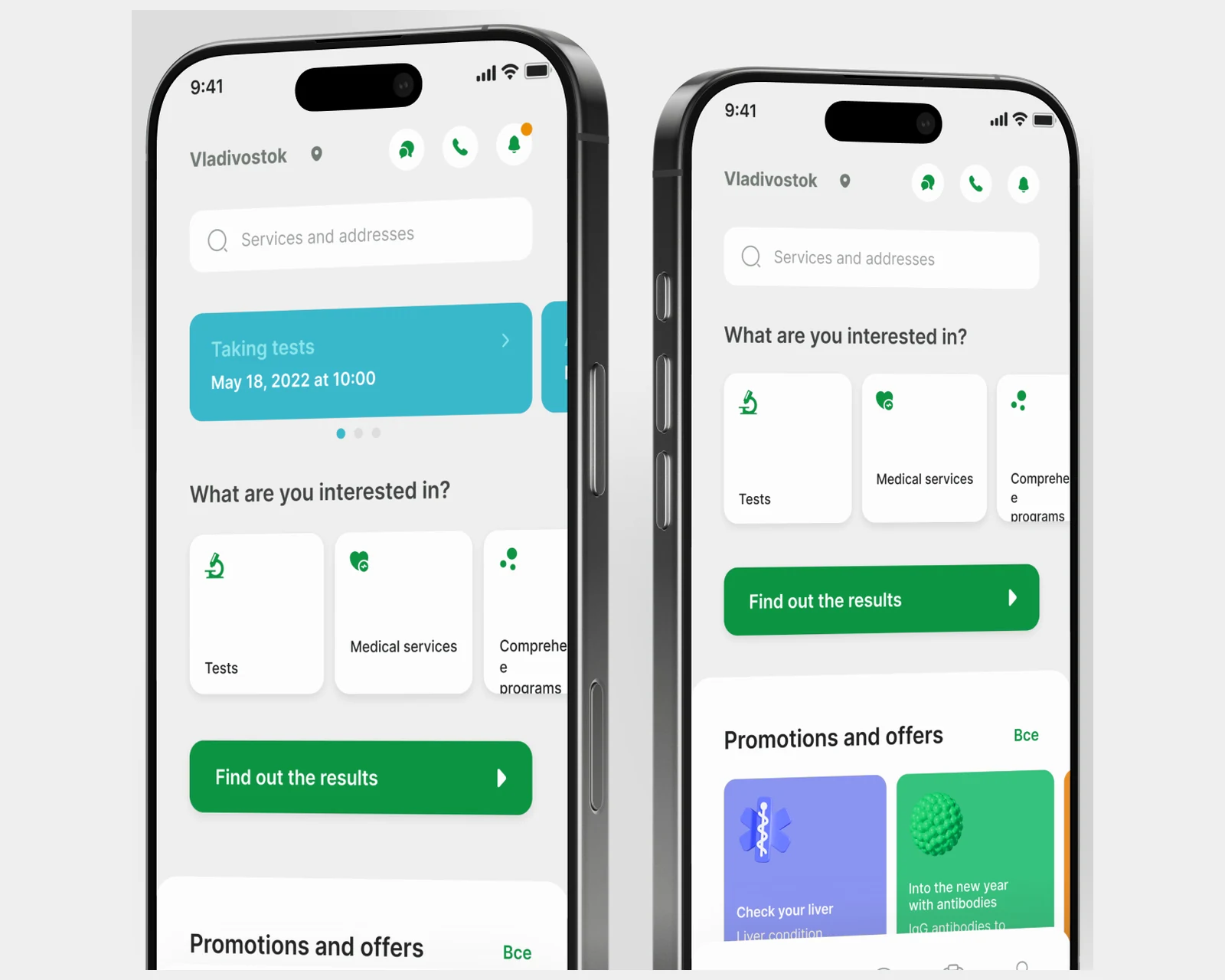
Patient app for a 40-city lab network — appointment booking, digital results, 2,500+ tests, scheduling and accounting integrations.
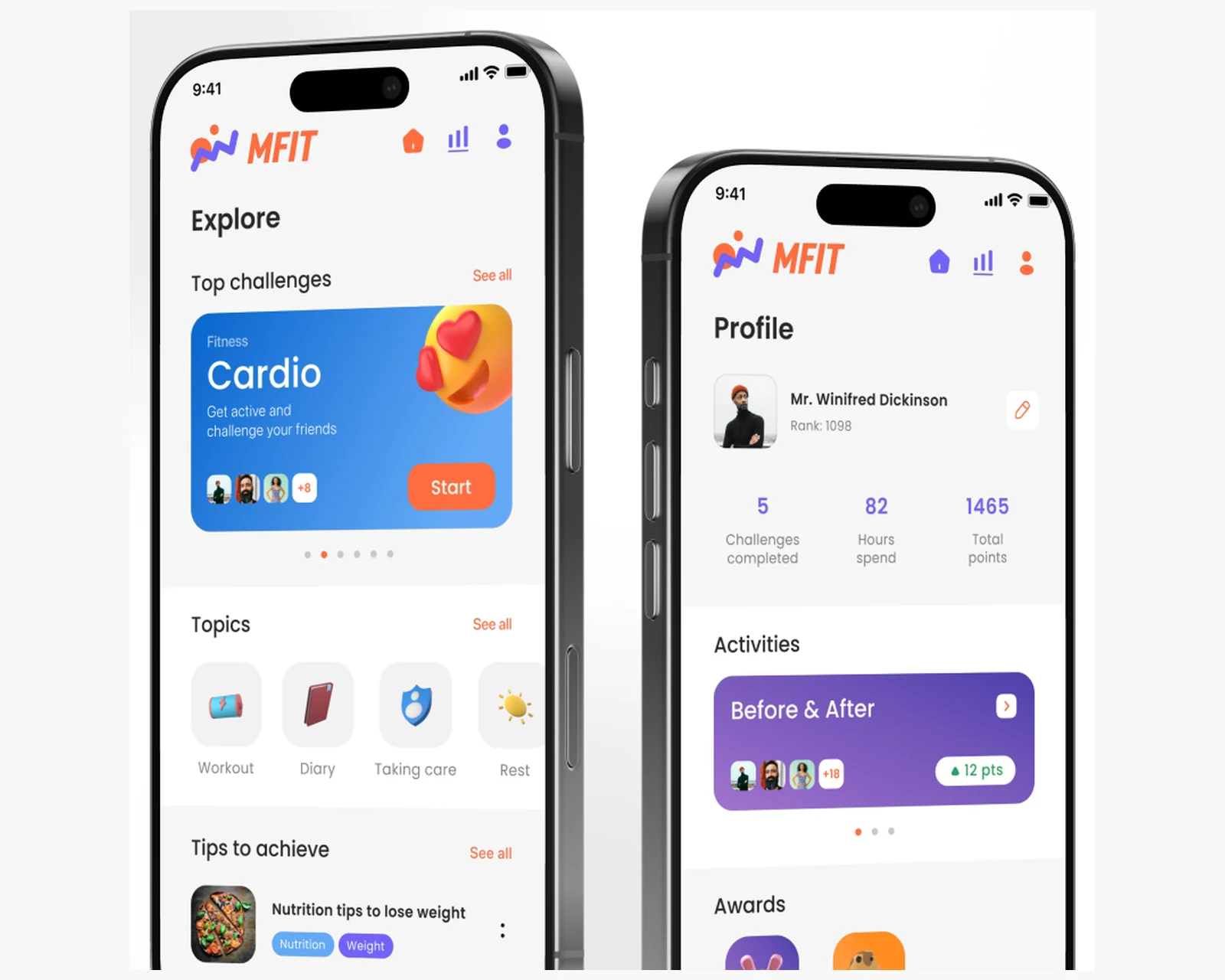
Native iOS & Android fitness-marathon and challenge app — programs, stats, and leaderboards on a Laravel backend, for the US & EU.
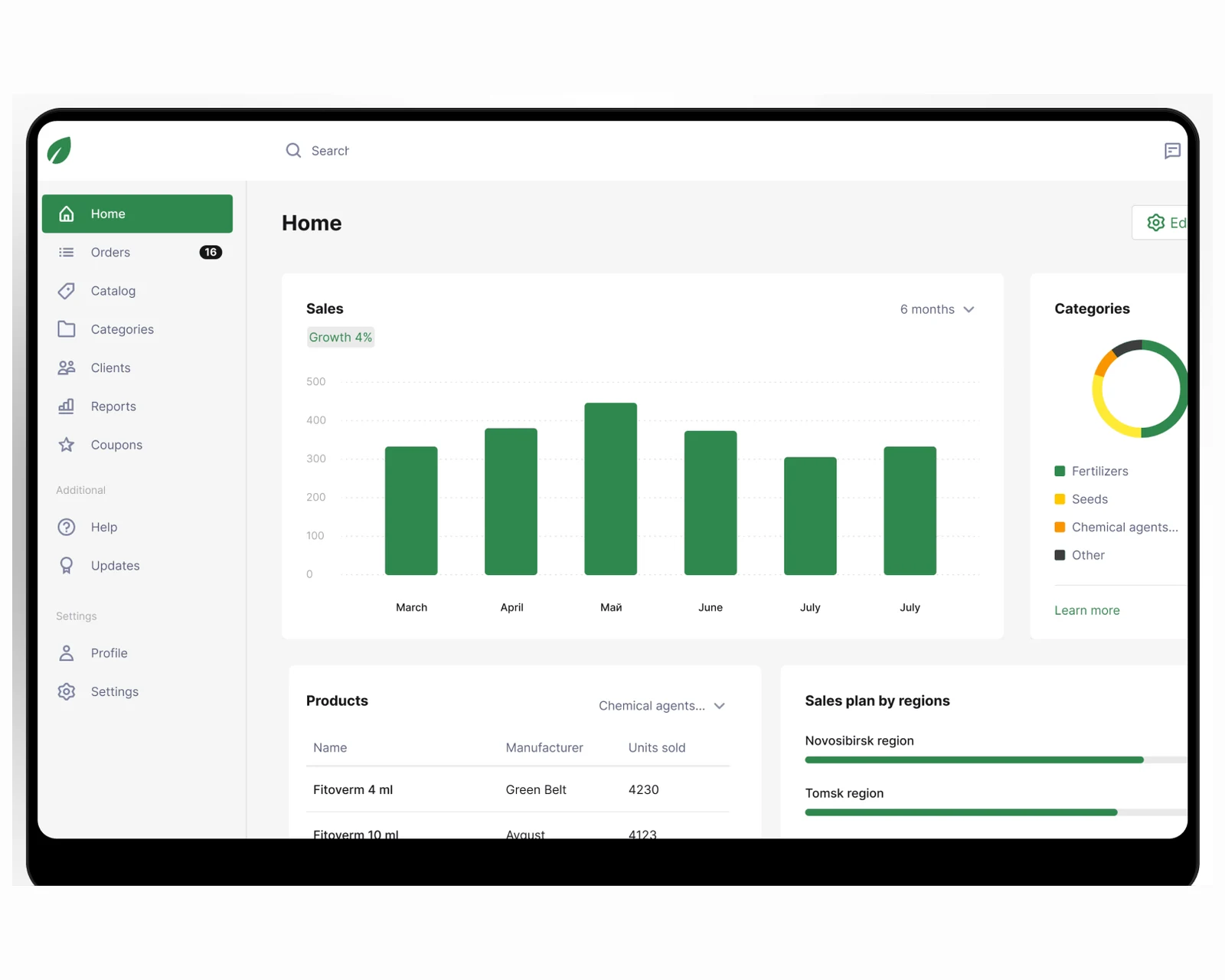
Offline-first iOS & Android field-sales app for an agricultural distributor — structured catalog, deal reporting, plan vs actual.
Why YuSMP
Model conversion, quantisation, delegate selection and integration are done by one team — no coordination overhead between data scientists and mobile engineers.
We do not ship until the model passes accuracy and latency benchmarks on the hardware tiers your users actually hold in their hands.
Every TFLite deployment we build works without a network connection — a hard requirement for logistics, field ops and health apps.
FAQ
Yes. We use torch.export or ONNX as an intermediate, then the TFLite converter. Custom ops not in the TFLite op set require a C++ custom op kernel — we write and test those as part of the conversion.
Typically 1–5% mAP for object detection and 2–8% for NLP tasks, with 4× size reduction and 2–3× latency improvement. We benchmark on your target hardware before committing to a quantisation level.
The inference output is identical; the acceleration delegate differs — NNAPI/GPU on Android, Metal on iOS. We abstract the delegate selection behind a common interface and validate parity.
Yes — for the model weights (flatbuffer). We implement a background download pipeline with SHA-256 integrity verification and rollback on inference error spike. Changes to the preprocessing pipeline require an app update.
NNAPI delegate requires Android 8.1 (API 27). GPU delegate works from Android 5.0. CPU fallback works from API 21. We configure the fallback chain to match your minimum supported version.
On-device inference means raw input never leaves the device. Under GDPR, we still document inferred output if it constitutes personal data, and we apply data minimisation to what the model output layer produces.
Both — we build and train models in TensorFlow/PyTorch for clients without a data science team, and we handle conversion and deployment for clients who already have trained models.
Response within 1 business day. NDA on request.
Share a few details and a senior consultant will reply within one business day.