What it is
Software QA and testing services plan, design and run the tests that prove your product works before users touch it: functional, regression, automation, performance, mobile and API testing.
QA outsourcing and test automation services for web, mobile and API products, from a one-off audit to dedicated QA engineers who work inside your sprints. We plan the testing, write and run the cases, automate the paths that repeat every release and report defects your developers can fix without a follow-up call.
GDPR-aligned · ISO 27001 ready · SOC 2 Type II in progress · HIPAA-capable · CCPA-acknowledged · CET workday with 9 AM–1 PM ET overlap
We usually hear from three kinds of teams. Startups that ship every week and keep finding bugs in production after the release party. Scale-ups whose developers spend half a sprint re-checking old features by hand. And enterprises sitting on a regression suite nobody trusts anymore, because half the tests fail for reasons unrelated to the code. Each needs something different from a QA partner, so we start by finding out which one you are.
Want testing without a team? Our AI Product Testing subscription runs scheduled AI-driven regression checks on your product and reports every defect with a screenshot. This page covers the human-led side: QA engineers, test strategy, automation frameworks and QA outsourcing built around your release process.
Software QA and testing services plan, design and run the tests that prove your product works before users touch it: functional, regression, automation, performance, mobile and API testing.
As a standalone project (an audit or an automation build) or as QA outsourcing, where our engineers join your Jira, Slack, Git and sprint rituals.
Stable, repeatable paths go into your CI/CD pipeline: smoke, regression and API checks. Exploratory and usability testing stay manual, on purpose.
Test plans, cases, automation code and reports live in your repositories and tools. Take QA in-house later and nothing has to be rebuilt.
Our quality assurance and testing services cover eight areas. You can take one, for example an automation build, or combine them into a full QA function for your product.
Functional testing checks every feature against its requirements and acceptance criteria. We write test cases from user stories, run smoke and sanity checks on each build and a regression pass before each release, so a new feature doesn’t quietly break checkout, sign-up or billing. It fits naturally into web application development and mobile releases alike.
Test automation services turn repeatable checks into code that runs on every commit. We build UI suites (for example with Playwright, Cypress or Selenium), API tests and support for unit-level coverage, wire them into CI and keep them green. We also take over flaky suites: find why tests fail at random, fix or delete them and restore trust in a red build.
Manual testing finds what scripts aren’t built to find: confusing flows, broken copy, odd states after a network drop, edge cases nobody wrote down. Testers run time-boxed exploratory sessions against a charter, log what they tried and turn the useful findings into new regression cases.
Performance testing shows how your system behaves under real and peak traffic before your users find out the hard way. We script load, stress and soak scenarios with tools such as k6, JMeter or Gatling, record a baseline, then point to the endpoints, queries and services that become bottlenecks, with a fix list ranked by impact.
Mobile app testing covers iOS and Android builds on real devices and emulators across an agreed matrix of OS versions and screen sizes. We check installs and updates, push notifications, permissions, offline behaviour, in-app purchases and store-review requirements. Appium handles the automated part. It pairs well with our own mobile app development teams or with yours.
API testing verifies that your services return the right data, status codes and errors, and that third-party integrations (payments, CRM, identity, shipping) still behave after their side changes. We use Postman collections, REST-assured or code-level tests, add contract tests between services and run them in the pipeline.
QA engineers catch the basics during regular testing: access rules, session handling, input validation and data exposure in responses. For a full assessment we hand over to our penetration testing and security audits team, which runs OWASP-mapped web, mobile and cloud pentests.
Software QA consulting starts with your current process: how testing is planned, what is covered, where defects slip through and which metrics you track. You get a written test strategy, an automation-readiness assessment of your codebase and a prioritised plan your own team can execute.
QA outsourcing means an external team owns part or all of your testing while working inside your process, not beside it. Our QA engineers get access to your tracker, chat, repositories and test environments, attend planning and stand-ups, and test against the same Definition of Done your developers use.
We agree responsibilities on day one. That way nobody argues later about who missed a bug:
Reporting follows your cadence. Most teams get a short status each sprint (what was tested, what failed, what is still open) and a release report before each deploy. The team works from Yerevan on a CET workday with a 9 AM–1 PM ET overlap, so US East Coast stand-ups and EU working hours are both covered.
There are five common ways to buy QA testing services. The right one depends on whether you need an answer, a framework, extra hands or a team that owns quality end to end.
| Model | Best for | Team | How it is billed | Your involvement |
|---|---|---|---|---|
| QA audit or one-off project | A release you cannot afford to get wrong, or a second opinion on your process | QA lead plus one or two engineers for a fixed period | Fixed scope, milestone payments | Low: access, a kickoff and a results review |
| Managed QA | Products with regular releases and no QA function of their own | Our QA lead and engineers own process, coverage and reporting | Monthly, per allocated engineer | Medium: priorities and release decisions |
| Dedicated QA engineers | Teams that have a QA process and need capacity | Named engineers inside your team, as part of a dedicated team or via staff augmentation | Monthly, per engineer | High: you direct the work day to day |
| Automation build and handover | Teams that want their own suite but lack time to build it | Automation engineers for the build, then pairing with your team | Fixed scope, milestone payments | Medium: reviews and taking ownership at the end |
| Scheduled AI regression | Live products that need key journeys re-checked daily or weekly | An AI agent tuned by our team, see AI Product Testing | Subscription, plans from $600 per month | Low: you read the reports and fix defects |
Models combine well. A common path is an audit first, then an automation build, then one dedicated QA engineer who maintains the suite and tests new features. All engagements start with a mutual NDA, and code, test assets and IP belong to you.
Outsourced QA is faster to start and easier to scale, while an in-house team builds deeper product knowledge over years. Most of the trade-off comes down to the seven points below.
| Criterion | Outsourced QA team | In-house QA team |
|---|---|---|
| Time to start | Weeks: the vendor already employs and vets testers. | Months: job posts, interviews, notice periods and onboarding. |
| Cost structure | One monthly or fixed fee; recruiting, benefits, equipment and management sit inside it. | Salaries plus hiring costs, benefits, equipment and the manager’s time. |
| Tools and devices | The vendor brings test tooling experience and device coverage. | You buy licences, device clouds and test infrastructure yourself. |
| Scaling up or down | Add engineers before a big release and reduce them afterwards under the contract terms. | Slow to grow, and painful to shrink. |
| Product knowledge | Builds up over the first sprints; a stable roster keeps it. | The strongest point: years of context about users and edge cases. |
| Independence | Fresh eyes, less pressure to sign off a release on schedule. | Close to the team, which can blur judgement near deadlines. |
| Management overhead | A vendor QA lead runs the team; you manage the relationship. | You hire, coach and retain testers yourself. |
When to keep QA in-house: if your product is deeply regulated and testing requires daily access to production data, or if domain knowledge takes a year to build, an in-house core makes sense. Many companies keep a small internal QA lead and outsource execution and automation around them. The broader trade-offs are covered in our guide to outsourcing vs in-house software development.
Automate what is stable, repeated and expensive to check by hand; keep manual what needs human judgement or changes every week. The test pyramid is the simplest way to decide where each check belongs.
At the base of the pyramid sit many fast unit tests written by developers. Above them come API and integration tests, which check business logic without the browser and break less often. At the top sit a few end-to-end UI tests for the journeys that make you money. Teams that invert the pyramid, with hundreds of slow UI tests and almost no API coverage, end up with suites that take hours and fail at random.
Automation pays off when a test runs often enough to cover the cost of writing and maintaining it. A check that runs on every pull request repays itself quickly; a check for a screen that’s redesigned every month rarely does.
| Approach | Strong at | Weak at |
|---|---|---|
| Scripted automation | Deterministic checks in CI, API and unit levels, fast feedback on every commit | Needs maintenance when the UI changes; finds only what it was told to look for |
| Manual and exploratory | New features, UX, unexpected behaviour, judgement calls | Slow and tiring for repeated regression; results depend on the tester’s day |
| AI-agent regression | Broad end-to-end and visual checks on a schedule without brittle scripts | Not a replacement for unit tests or for a human exploring a new feature |
The third row is a separate product, AI Product Testing; this page covers the people who design and run the whole testing approach.
Our QA process has six steps. Each one ends with something you can review, and testing starts as early as possible in the cycle, in line with shift-left testing.
We study the product, its users and its risks, review existing tests and defect history, and find where bugs escape today. Output: a short audit with the top risks and coverage gaps.
Scope, test levels, environments, test data, entry and exit criteria, and the metrics we will report. You approve the plan before execution starts.
Test cases and checklists built from requirements and real usage, test data prepared, and automation candidates marked by value and stability.
Manual runs for new features, automated suites for regression, all triggered from your CI pipeline on GitHub Actions, GitLab CI or Jenkins.
Defects filed with severity, steps, logs and screenshots, triaged with your team, and tracked on a dashboard showing open issues, coverage and trends.
A final regression and a written release recommendation, then a retrospective on escaped defects that feeds new tests into the next cycle.
We pick tools for your stack and team, and we work in yours if a suite already exists. Typical choices by area:
Playwright, Cypress, Selenium WebDriver, with visual regression checks where layout matters.
Postman and Newman, REST-assured, code-level tests in your language, contract tests between services.
Appium, native XCUITest and Espresso where the team prefers them, real devices plus a device cloud.
k6, JMeter, Gatling, with results read alongside your monitoring dashboards.
Jira with Xray or Zephyr, TestRail, or plain checklists in your wiki when that’s enough.
GitHub Actions, GitLab CI and Jenkins, with test results published to every merge request.
The cost of QA testing services depends on scope and the engagement model, so we quote after a short call and, for larger products, a paid audit. We don’t publish hourly rate cards. Six factors move the number most:
Two published reference points help with budgeting. Our dedicated development teams start with a Mini team from $6,900 per month (a senior engineer, a QA engineer and a shared delivery lead), and AI Product Testing plans start at $600 per month for scheduled checks. More on how we price work is on our pricing page.
Pick a software testing company on evidence of how it works. A logo wall proves very little. Before you sign with any quality assurance testing company, us included, check these seven points:
For a wider checklist that covers development vendors too, read how to choose a software development company.
QA and test automation engineers sit inside every YuSMP project team, next to analysts, designers and developers. Three projects where testing carried real weight:
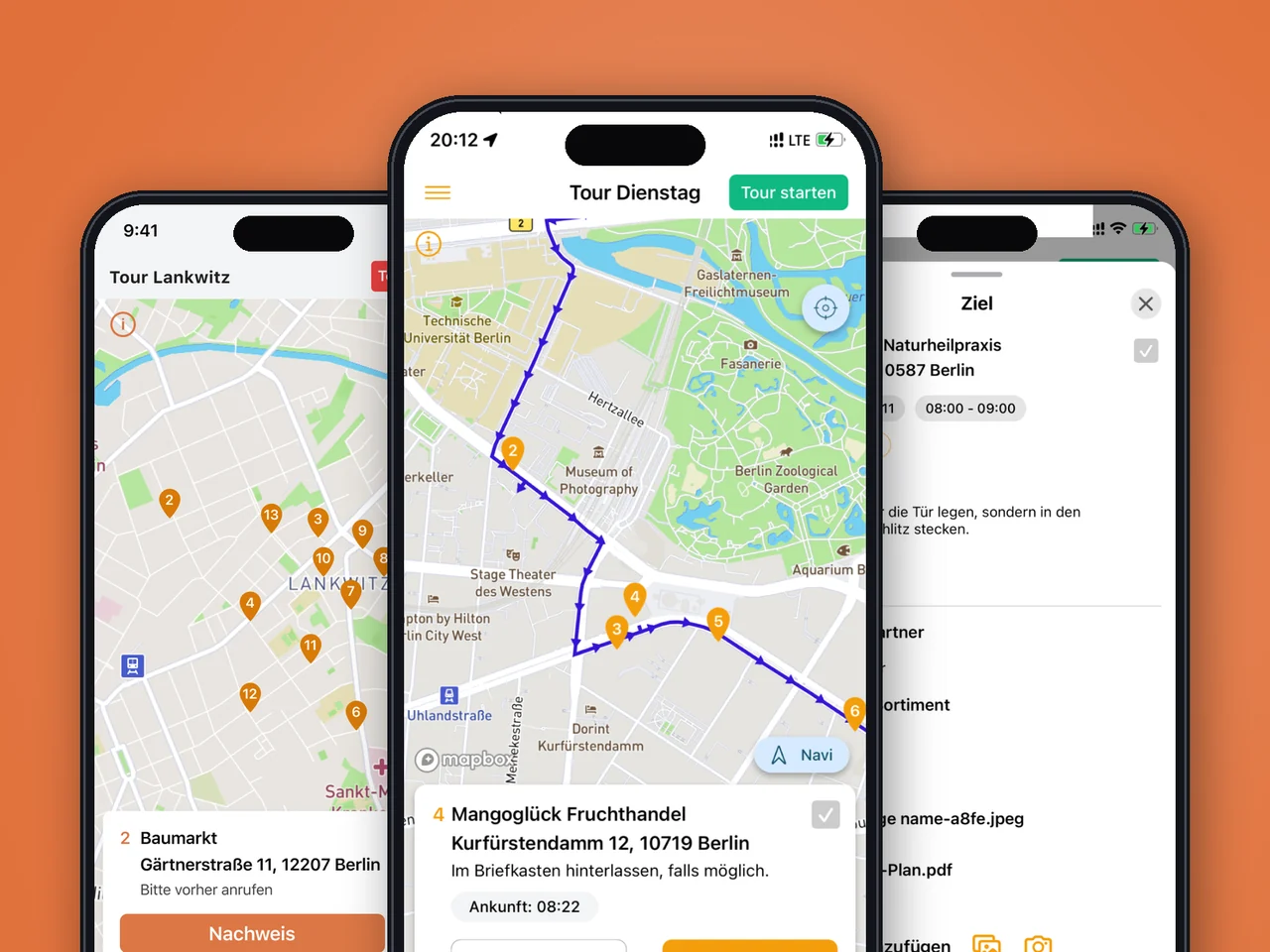
Stabilizing an unstable delivery navigation app: an audit of the failing areas first, then fixes to route building and driver tracking, with route testing on German maps and a German-language UI.
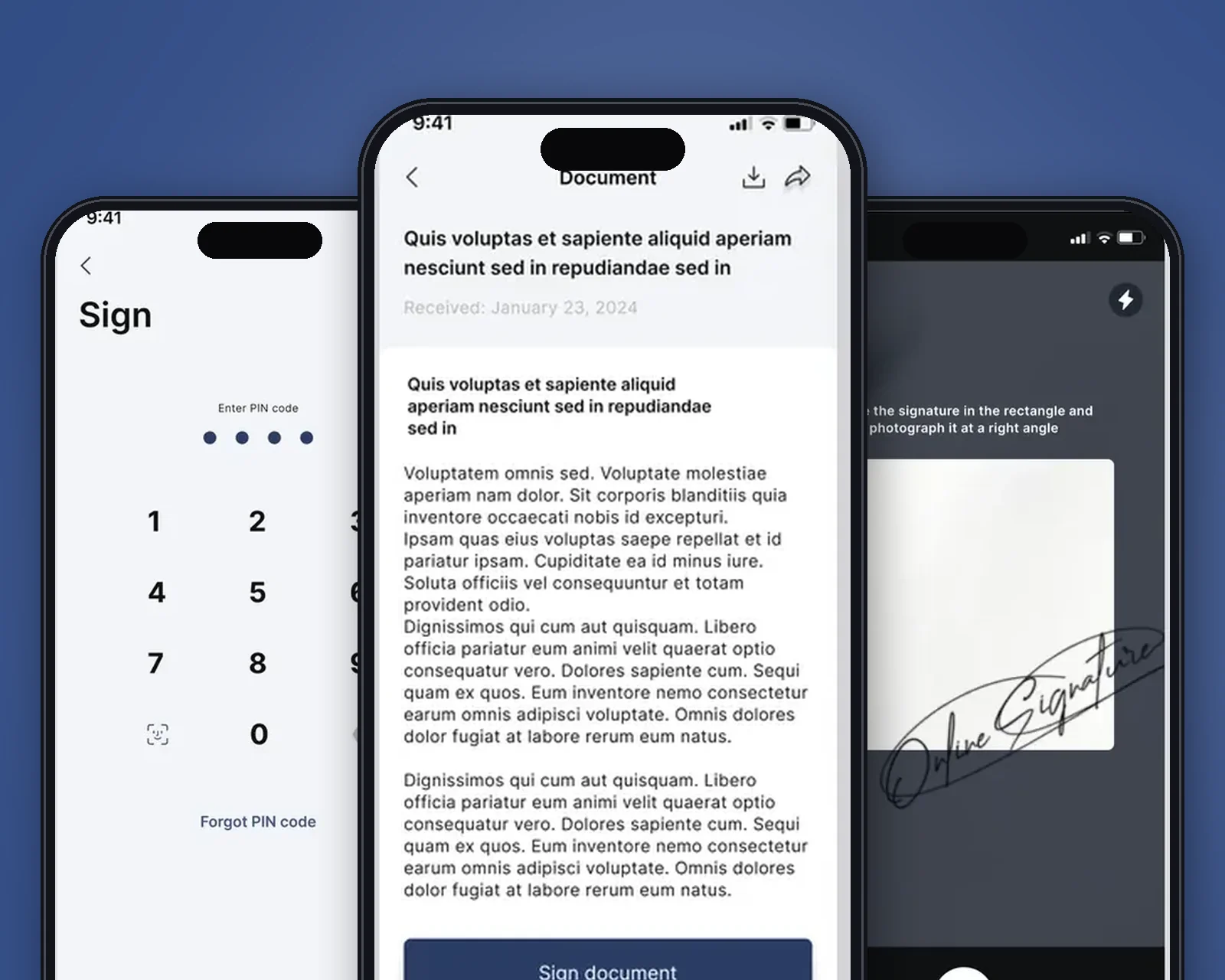
Native iOS and Android e-signature clients with a Symfony + React CRM for a cross-border law firm, with KYC onboarding and a defensible evidence trail for US & EU matters.
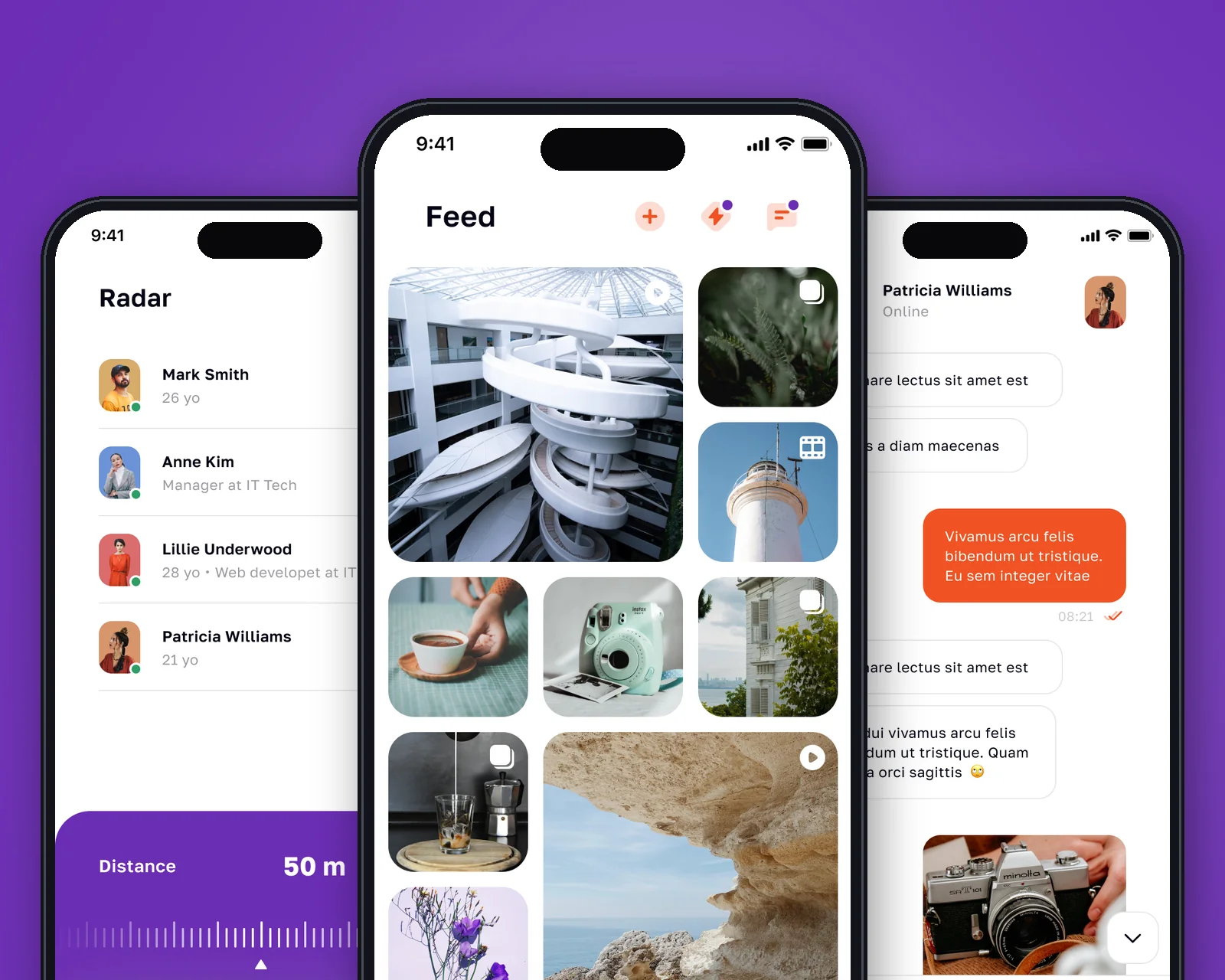
Production social platform on the App Store and Google Play, live across the US and EU, with geo Radar, encrypted messaging and a virtual economy.
Industries we test for include fintech, healthtech, e-commerce, logistics, SaaS and legaltech. View all case studies →
QA outsourcing means an external team takes over part or all of your software testing while working inside your process. The vendor's QA engineers join your tracker, chat and repositories, test against your Definition of Done and report through your channels. You keep control of priorities and release decisions; the vendor owns test design, execution, automation and reporting. It can cover one release, a single area such as automation, or the whole QA function.
It depends on scope, platforms, the share of automation, test environments, team size and compliance requirements, so we quote after a short call rather than from a rate card. As published reference points, our dedicated teams start with a Mini team from $6,900 per month that includes a QA engineer, and AI Product Testing plans for scheduled checks start at $600 per month. Audits and automation builds are quoted as fixed-scope projects.
A focused audit or a pilot can start once access and a kickoff call are arranged. A dedicated team with QA engineers typically goes live in four to six weeks, including onboarding to your product, tools and environments. From there, coverage grows sprint by sprint as the test plan is built out.
Yes. Our engineers work in your Jira, Slack or Teams, Git repositories and CI pipeline, and attend your sprint ceremonies. They work from Yerevan on a CET workday with a 9 AM–1 PM ET overlap, which covers US East Coast stand-ups and the full EU working day. Defects follow your template and severity scale, so developers see QA work in the same place as everything else.
Yes. We review your manual cases, pick the ones that are stable and repeated often, and automate those first, usually regression of core flows and API checks. For a flaky suite we start with a diagnosis: tests that fail at random because of timing, test data or environment issues get fixed, quarantined or removed. The goal is a build where red means a real bug.
Automation pays off when a test runs often enough to cover its build and maintenance cost. Checks that run on every pull request, such as smoke tests, regression of stable flows and API tests, repay quickly. Screens that are redesigned every sprint rarely do. Start with the journeys that make you money (sign-up, checkout, billing) and the API layer, then extend coverage release by release.
Every engagement starts with an NDA, and a DPA where personal data is involved. Access is granted per person and revoked at the end, test environments use masked or synthetic data instead of production records, and test assets stay in your repositories. Our delivery follows ISO 27001-aligned controls with SOC 2 Type II in progress, and we work HIPAA-capable for health products.
This page describes a human-led service: QA engineers who plan testing, build and maintain automation frameworks and test new features with judgement. AI Product Testing is a subscription in which an AI agent runs your key scenarios on a schedule and reports defects with screenshots. Many teams use both: engineers for strategy, new features and automation, the agent for always-on regression of a live product.
A QA lead reviews your product, release cadence and current tests, then comes back with a plan and an estimate.
Guides on quality assurance, testing early and automating delivery.
Share a few details and a senior consultant will reply within one business day.
Email: sales@yusmpgroup.com
Phone: +374 44 871 811
Offices: KAMAR Business Center, Vazgen Sargsyan St. 2, Yerevan, Armenia · Remote — East-Coast US overlap (9 AM–1 PM ET)